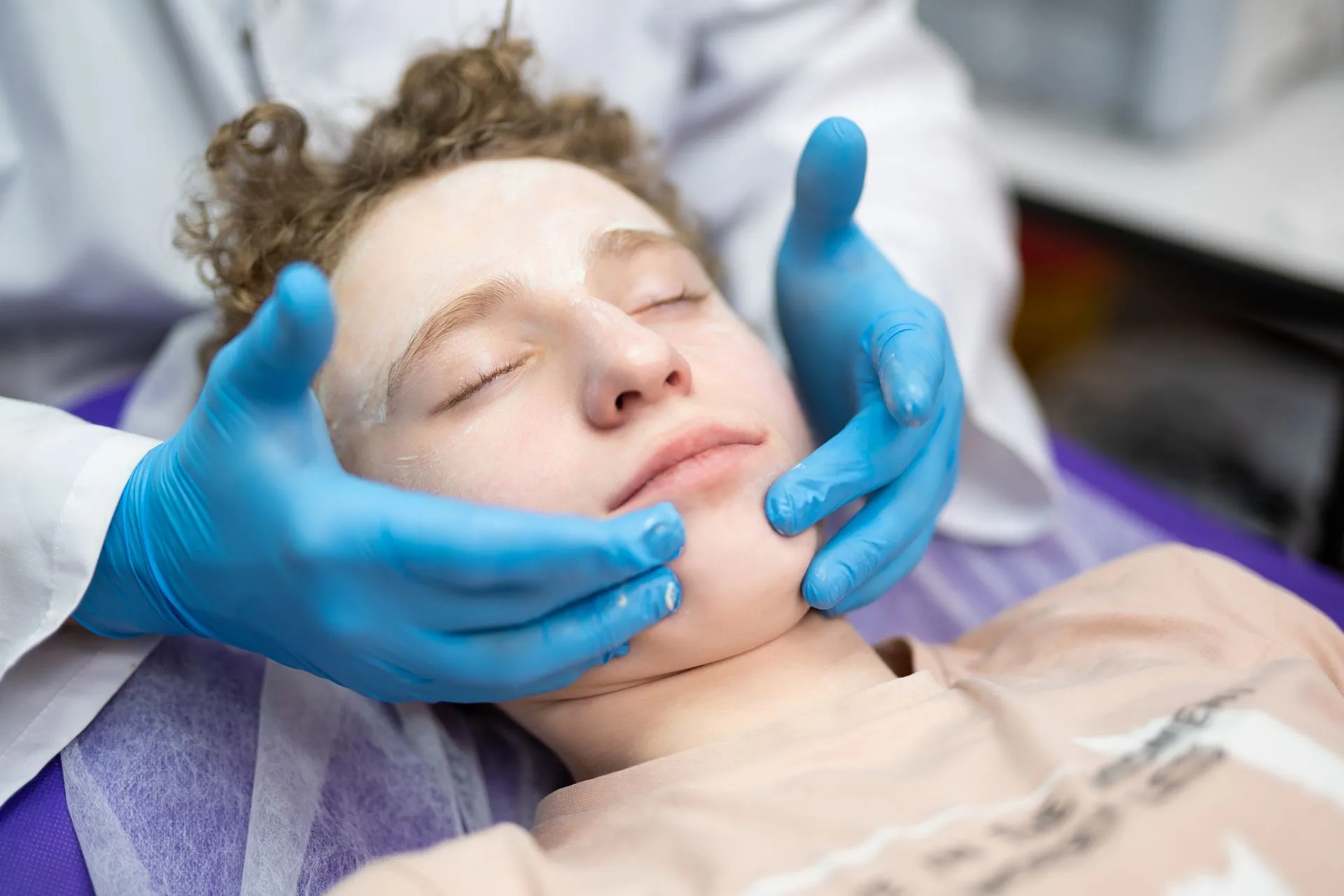
Over the years, cosmetic surgery has become increasingly popular, offering individuals the opportunity to enhance or alter their physical appearance. However, when it comes to minors seeking cosmetic procedures, the legal and ethical landscape becomes more complex. The state of Ohio provides specific regulations and considerations surrounding minors and cosmetic surgery.
Understanding Cosmetic Surgery for Minors
Legal Age Requirements
In Ohio, the ability of minors to undergo cosmetic surgery is subject to legal restrictions. Generally, individuals under the age of 18 are considered minors. While there is no specific law prohibiting minors from getting cosmetic surgery, certain legal and ethical considerations come into play.
Parental Consent
For minors seeking cosmetic surgery in Ohio, parental consent is a critical factor. Since individuals under 18 are unable to provide legal consent for medical procedures, the involvement of a parent or legal guardian is typically required.
Legal and Ethical Considerations
Emotional and Psychological Maturity
Cosmetic surgery often involves elective procedures that are not medically necessary. Determining whether a minor is emotionally and psychologically mature enough to make decisions about altering their appearance can be challenging.
Ethical considerations come into play regarding a minor’s ability to fully comprehend the potential risks, benefits and long-term implications of cosmetic surgery.
Types of Procedures
The type of cosmetic procedure sought by a minor can influence the legal and ethical considerations. Non-invasive treatments, such as laser therapy or certain injectables, are subject to less stringent restrictions compared to more invasive surgical procedures.
Ohio has been in the news recently due to its controversial bill relating to gender-affirming care of minors. House Bill 68, which passed the state legislature, has two separate acts, the Save Adolescents from Experimentation Act and the Save Women’s Sports Act. The Save Adolescents from Experimentation Act would prohibit doctors from prescribing puberty blockers and hormone replacement therapy to minors or performing gender reassignment surgery on minors, even if they have parental consent.
Ohio Governor Mike DeWine vetoed the measures on December 29, 2023, but his veto was overturned by the Ohio House on January 10, 2024 and the Ohio Senate on January 24, 2024. It’s likely the bill to ban gender-affirming care for trans minors and trans participation in women’s sports will go into effect in late April 2024.
Medical Necessity vs. Cosmetic Enhancement
Medical necessity can be a determining factor in whether a cosmetic procedure is deemed appropriate for a minor. If a procedure is deemed medically necessary to address a health issue or improve a patient’s quality of life, the ethical considerations may shift.
However, distinguishing between medical necessity and cosmetic enhancement can be a complex process, and the decision may vary depending on the medical professional and the specifics of each case.
Informed Consent
Informed consent is a cornerstone of medical ethics, ensuring that individuals are fully aware of the risks, benefits and alternatives before undergoing a medical procedure. When it comes to minors, ensuring that both the minor and their parent or legal guardian fully understand the implications of the cosmetic procedure is crucial.
Medical professionals must take extra care to communicate effectively with minors, using age-appropriate language and ensuring that the minor feels comfortable asking questions and expressing concerns.
Case Studies: Real-World Examples
Case 1: Reconstructive Surgery for Medical Reasons
In some instances, minors may seek cosmetic surgery for reconstructive purposes due to congenital conditions, or illnesses that resulted in disfigurement or injuries. Restorative cosmetic procedures may be viewed differently from purely elective cosmetic surgeries.
Real-world examples may include corrective surgery for congenital abnormalities or reconstructive procedures following trauma from an auto accident.
Case 2: Non-Invasive Cosmetic Procedures
Minors may also seek non-invasive cosmetic procedures, such as laser treatments or certain injectables, for aesthetic purposes. In these cases, ethical considerations may revolve around the potential long-term effects on the minor’s self-esteem and body image.
Real-world examples could involve minors seeking treatments for issues such as acne scarring or unwanted hair.
Marco jurídico en Ohio
Medical Board Regulations
The Ohio Medical Board establishes guidelines and regulations for medical professionals in the state. While these regulations may not explicitly address cosmetic surgery for minors, they often emphasize the importance of informed consent, professionalism and ethical medical practices.
Age of Majority
The age of majority in Ohio is 18, meaning individuals attain legal adulthood and can make decisions for themselves once they turn 18. Cosmetic surgeons must take into account the legal status of the patient when performing elective procedures.
Future Considerations and Trends
Evolution of Ethical Standards
As societal attitudes towards cosmetic procedures evolve, ethical standards regarding minors and cosmetic surgery may also shift. This is most apparent in the ongoing debate and legislative battles pertaining to invasive gender reassignment surgeries or hormone therapies relating to the gender identity of minors.
Do You Have a Medical Malpractice Case Against a Physician?
Medical malpractice is not confined solely to medically necessary surgeries and treatments. Patients who suffer injuries during elective cosmetic surgeries or treatments can also pursue claims against medical professionals.
There have also already been lawsuits brought by parents and adults in relation to gender-affirming care. Some detransitioners have filed lawsuits against doctors for pressuring or coercing them, many of whom were minors at the time, into pursuing hormone therapy and gender reassignment surgeries.
The topic of minors and cosmetic surgery in Ohio is a complex and nuanced, and these cases often involve complex ethical and medical considerations.
The Buckeye Law Group is committed to taking legal action if required to secure the compensation for parents and patients who were injured by the actions of doctors and other medical professionals. Dial 1-800-411-PAIN or contact us on our website today for additional information and to arrange a complimentary case consultation with one of our lawyers today.
Mansfield Personal Injury Attorney Serving Richland County and Northeast Ohio
Quick Answer: Buckeye Law Group represents individuals and families affected by negligence in Mansfield, OH, and throughout Richland County. A Mansfield personal injury attorney from our firm can evaluate claims
Springfield Personal Injury Attorney Serving Clark County and Southwest Ohio
Quick Answer: Buckeye Law Group represents individuals and families injured by negligence in Springfield and throughout Clark County, Ohio. A Springfield personal injury attorney from our firm can evaluate your
Youngstown Personal Injury Attorney Serving Mahoning County and Northeast Ohio
Quick Answer: Buckeye Law Group represents individuals and families harmed by negligence in Youngstown, OH, and throughout Mahoning County. A Youngstown personal injury attorney from our firm can investigate the
Mentor Personal Injury Attorney Serving Lake County and Northeast Ohio
Quick Answer: If you or a loved one suffered harm due to negligence, a Mentor personal injury attorney at Buckeye Law Group can help protect your legal rights. We represent
Findlay Personal Injury Attorney Serving Hancock County and Northwest Ohio
Quick Answer: Buckeye Law Group provides experienced representation to individuals and families seeking a Findlay personal injury attorney after an accident in Findlay, OH, or elsewhere in Hancock County. Our
Worthington Personal Injury Attorney Serving Franklin County and Central Ohio
Quick Answer: A Worthington personal injury attorney from Buckeye Law Group represents people injured in Worthington, OH, and throughout Franklin County. Our attorneys proudly handle car accidents, commercial truck crashes,
Parma Personal Injury Attorney Serving Cuyahoga County and Northeast Ohio
Quick Answer: Buckeye Law Group represents injured people throughout Parma, OH, and Cuyahoga County. A Parma Personal Injury Attorney from our firm can evaluate claims involving car accidents, commercial truck
Euclid Personal Injury Attorney Serving Cuyahoga County and Northeast Ohio
Quick Answer: Buckeye Law Group represents individuals injured in Euclid, OH, and throughout Cuyahoga County. Our local Ohio attorneys handle car accidents, commercial truck crashes, premises liability cases, wrongful death
Whitehall Personal Injury Attorney Serving Franklin County and Central Ohio
Quick Answer: Buckeye Law Group represents people injured in Whitehall and throughout Franklin County, OH. Our team professionally handles car accidents, truck crashes, slip and falls, dog bites, wrongful death
Westlake Personal Injury Attorney Serving Cuyahoga County and Greater Cleveland
Quick Answer: Buckeye Law Group represents people injured in Westlake and throughout Cuyahoga County in car, truck, motorcycle, pedestrian, premises-liability, and other negligent personal injury matters. Ohio law generally allows
Buckeye Law Group represents people injured in auto accidents, slip and falls, workplace accidents and more in Ohio. Contact us today to learn more.
© 2026 Todos los derechos reservados | The Buckeye Law Group Inc. Políticade privacidad Mapa del sitio
Ubicaciones de las oficinas
- Akron Office 388 S Main St #400 Akron, OH 44311 (330) 426-0288
- Cincinnati Office 201 E 5th St Ste 1910 Cincinnati, OH 45202 (513) 547-2445
- Cleveland Office 127 Public Square Ste 1540 Cleveland, OH 44114 (216) 677-5490
- Columbus Office 20 E Broad St Suite 300 Columbus, OH 43215 (614) 482-3793
- Dayton Office 70 Birch Alley Ste 240 Dayton, OH 45440 (937) 884-4474
- Euclid Office 25701 N Lakeland Blvd Suite 113-C, Cleveland, OH 44132 (216) 405-2626
- Mansfield Office 305 E Main St Ste 6A, Mansfield, OH 44904 (567) 210-2606
- Findlay Office 7430 Timberstone Dr unit 101a, Findlay, OH 45840 419-873-5119
- Mentor Office 7537 Mentor Ave Ste 101, Mentor, OH 44060 (440) 306-3536
- Middletown Office 300 N Main St #400, Middletown, OH 45042 (326) 800-9150
- Parma Office 1257 Rockside Rd #A, Parma, OH 44131 (216) 279-1664
- Springfield Office 2100 E High St Ste TL3, Springfield, OH 45505 (937) 806-5791
- Toledo Office 3950 Sunforest Ct Ste 200, Toledo, OH 43623 (567) 483-3883
- Westlake Office 26404 Center Ridge Rd Ste B2, Westlake, OH 44145 216-247-0565
- Whitehall Office 5340 E Main St Ste 203, Whitehall, OH 43213 (380) 257-5206
- Youngstown Office 306 Churchill Hubbard Rd, Youngstown, OH 44505 (234) 225-0683
Contáctenos
© 2026 Todos los derechos reservados | The Buckeye Law Group Inc. Políticade privacidad Mapa del sitio