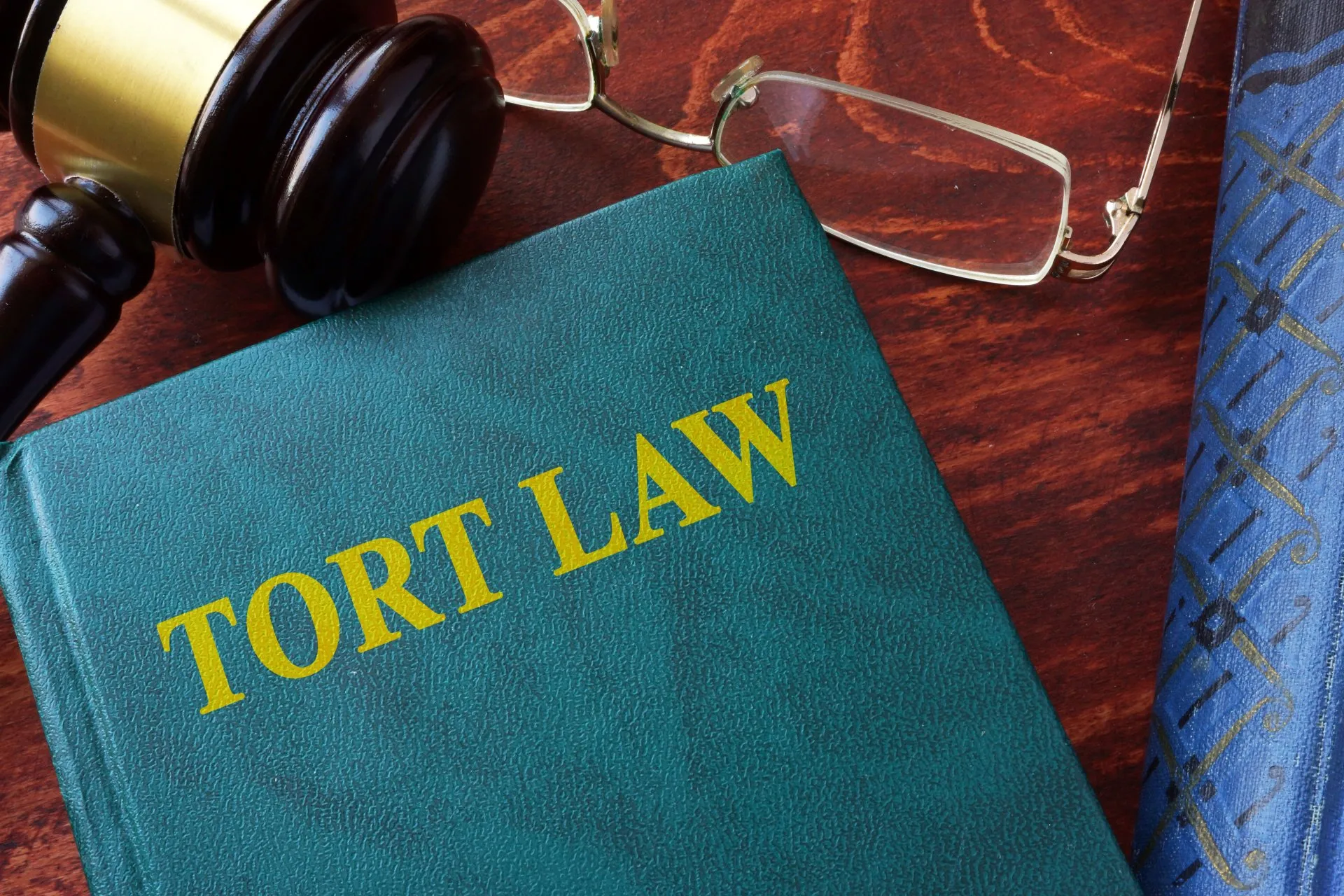
When you are injured in an accident or harmed by another person physically, mentally or emotionally, their wrongdoing is referred to as a “tort.” A tort is legal harm inflicted upon one party by another party’s action or non-action. Torts fall into one of two primary categories — intentional or unintentional (or negligence) torts.
You don’t have to be an individual in order to commit a tort. Companies, schools, businesses, manufacturers, retailers and other organizations can intentionally or unintentionally inflict harm on their customers, clients, students, employees, constituents, etc.
Ohio law protects those who have been injured by someone else’s wrongdoing. Victims of intentional or negligence torts should consider filing a personal injury claim in order to reach a resolution and receive compensation for any losses. Nearly all personal injury claims argue one of two things — the victim was injured on purpose by the defendant (intentional tort), or the victim was harmed as a result of the defendant’s negligence or carelessness (unintentional tort).
What Are Intentional Torts?
Intentional torts describe the injury or harm purposefully inflicted by someone else. These torts occur when a defendant either threatens to harm or intentionally harms another person. Intentional torts can often result in criminal charges depending on the situation or type of injury. An incident can still be considered an intentional tort claim even if no physical injury has actually occurred.
Examples of intentional torts may include:
- Assault
- Battery
- Fraud
- Libel or slander (i.e., defamation of character)
- Conversion
- False imprisonment
- Trespassing
What Are Unintentional Torts?
Unintentional or negligence torts describe the reckless or careless behavior that resulted in the injury or harm of someone else. While these torts are considered accidental, there is a reasonable standard of care that any individual or business must maintain to protect those around them. A defendant may not have wanted to inflict injury, but they may still be held responsible for their actions.
Examples of unintentional torts may include:
- Accidentes de tráfico
- Truck accidents
- Accidentes de bicicleta
- Resbalones y caídas
- Mordeduras de perro
- Workplace accidents
- Negligencia médica
Key Elements of Unintentional Torts
In order to win an unintentional tort claim, you will likely need to prove all four elements exist:
- A duty of care existed – We are legally obligated to prevent foreseeable harm to others by exercising various types and levels of care depending on the circumstance or situation. For example, you have a duty of care to other people on the road when you operate a motor vehicle. This duty is codified in the traffic laws that apply to everyone.
- Breach of duty – A reasonably prudent person understands the level of care required to keep others safe in various scenarios. If a defendant disregards the standard of care that would normally be expected of a reasonable person, they have breached their legal duty of care.
- Causation – As the victim of a defendant who breached their duty of care, you must prove that your injuries were a direct result of their breach of duty. If you are unable to demonstrate the connection between your injuries and the defendant’s conduct, you will be unable to pursue a tort.
- Damages – In order to have a valid unintentional tort claim, you must be able to prove that you suffered damages as a result of the defendant’s negligence. Compensatory and non-compensatory damages will be awarded to you if you win your case. Compensatory damages include lost wages, medical bills, property damage and more. Non-compensatory damages include pain and suffering and emotional trauma.
Speak With an Ohio Personal Injury Attorney About Your Tort Claim
Have you been injured recently? An Ohio personal injury attorney can review your case and determine if it could be categorized as an intentional or unintentional tort claim.
The Buckeye Law Group team is ready to fight for the compensation you deserve after being wrongfully injured in a car accident, slip and fall, workplace incident or any other type of tort scenario.
Schedule a free personal injury consultation with us today by calling 1-800-411-PAIN.
Lawyer for Emergency Room Errors in Ohio
Why a Lawyer for Emergency Room Errors in Ohio Is Important Emergency room errors can lead to serious complications when patients do not receive proper care. These mistakes may result
Wrongful Death Lawyers in Ohio
Why Wrongful Death Lawyers in Ohio Support Families Wrongful death cases arise when a loved one dies due to negligence. Families often face emotional and financial hardships during this time.
Bicycle Accident Lawyers in Ohio
Why Bicycle Accident Lawyers in Ohio Protect Cyclists Bicycle accidents often result in serious injuries due to the lack of protection for riders. Collisions with vehicles can lead to long
Red Light Accident Lawyers in Ohio
Why Red Light Accident Lawyers in Ohio Help Injury Victims Red light accidents often happen at busy intersections and can result in severe injuries, expensive medical bills, and lost income.
Brain Injury Attorneys in Ohio
Why Brain Injury Attorneys in Ohio Protect Victims Brain injuries can have long-term physical, emotional, and financial effects on victims and their families. These injuries may impact memory, concentration, mobility,
Lawyer for Medical Misdiagnosis in Ohio
Why a Lawyer for Medical Misdiagnosis in Ohio Helps Patients Medical misdiagnosis can delay proper treatment and lead to serious health complications. Patients often place trust in healthcare providers to
Stop Sign Accident Lawyers in Ohio
Why Stop Sign Accident Lawyers in Ohio Protect Victims Stop sign accidents can lead to severe injuries when drivers fail to stop or yield the right of way. These crashes
Red Light Accident Lawyers in Ohio
Why Red Light Accident Lawyers in Ohio Help Injury Victims Red light accidents often happen at busy intersections and can result in severe injuries, expensive medical bills, and lost income.
Abogados especializados en negligencia cosmética en Ohio
Why Cosmetic Malpractice Lawyers in Ohio Are Important Cosmetic procedures are intended to enhance appearance, but errors can result in serious physical and emotional harm. Victims may face corrective surgeries
Anesthesia Malpractice Lawyers in Ohio
Why Anesthesia Malpractice Lawyers in Ohio Protect Patients Errors involving anesthesia can lead to severe complications, including brain damage or death. Patients trust medical professionals to administer anesthesia safely. Anesthesia

Buckeye Law Group Inc. representa a personas lesionadas en accidentes automovilísticos, resbalones y caídas, accidentes laborales y más en Ohio. Contáctenos hoy mismo para obtener más información.
© 2026 Todos los derechos reservados | The Buckeye Law Group Inc. Políticade privacidad Mapa del sitio
Ubicaciones de las oficinas
- Oficina de Akron 388 South Main Street, Suite 400 Akron, OH 44311 (330) 426-0288
- Oficina de Cincinnati 201 E. Fifth Street, Suite 1910 Cincinnati, OH 45202 (513) 547-2445
- Oficina de Cleveland 127 Public Square Suite 1540 Cleveland, OH 44114 (216) 677-5490
- Oficina de Columbus 20 E Broad Street, Suite 300 Columbus, OH 43215 (614) 482-3793
- Oficina de Dayton 70 Birch Alley, Suite 240 Dayton, OH 45440 (937) 884-4474
- Euclid Office 25701 N Lakeland Blvd, Suite 113-C Cleveland, OH 44132 (216) 405-2626
- Mansfield Office 305 E Main St, Suite 6A Mansfield, OH 44904 (567) 210-2606
- Mentor Office 7537 Mentor Ave, Suite 101 Mentor, OH 44060 (440) 306-3536
- Middletown Office 300 N Main St, Suite 400 Middletown, OH 45042 (326) 800-9150
- Parma Office 1257 Rockside Road, Suite A Parma, OH 44131 (216) 279-1664
- Springfield Office 2100 E High St, Suite TL3 Springfield, OH 45505 (937) 806-5791
- Oficina de Toledo 3950 Sunforest Court, Suite 200 Toledo, OH 43623 (567) 483-3883
- Westlake Office 26404 Center Ridge Rd, Suite B-2 Westlake, OH 44145 216-247-0565
- Whitehall Office 5340 E Main St, Suite 203 Whitehall, OH 43213 (380) 257-5206
- Youngstown Office 306 Churchill Hubbard Rd Youngstown, OH 44505 (234) 225-0683
Contáctenos
© 2026 Todos los derechos reservados | The Buckeye Law Group Inc. Políticade privacidad Mapa del sitio