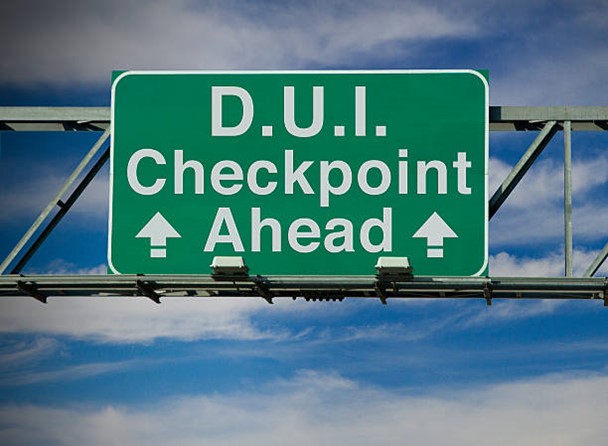
Drunk driving continues to be a leading cause of fatal traffic accidents in the United States. Despite public awareness campaigns and strict laws, thousands of lives are still lost every year due to impaired drivers. One of the most effective tools used by law enforcement to combat this issue is the sobriety checkpoint—a strategic, temporary roadblock where officers check drivers for signs of intoxication.
How Sobriety Checkpoints Work
Sobriety checkpoints are usually set up during weekends, holidays, and late-night hours—times when drunk driving incidents tend to spike. At these checkpoints, police officers:
- Briefly stop drivers in a predetermined pattern (e.g., every fourth vehicle)
- Look for signs of impairment such as slurred speech, glassy eyes, or the smell of alcohol
- Administer field sobriety tests if impairment is suspected
- Perform breathalyzer tests when necessary
These checkpoints are legally upheld in many states, including Ohio, provided they follow constitutional guidelines such as advance public notice and minimal intrusion.
Do Sobriety Checkpoints Really Work?
Yes—sobriety checkpoints are proven to reduce alcohol-related crashes and fatalities. According to the CDC, checkpoints can reduce alcohol-related crashes by 20% on average. Their visibility alone serves as a deterrent, encouraging people to think twice before driving drunk.
Key benefits include:
- Immediate removal of impaired drivers from the road
- Increased public awareness about DUI enforcement
- Reinforcement of safe driving habits
They also help law enforcement identify other dangers, such as unlicensed drivers, outstanding warrants, or even drug possession.
Legal Implications for Drunk Drivers Caught at Checkpoints
Drivers arrested at a sobriety checkpoint can face serious consequences, including:
- DUI charges
- License suspension or revocation
- Fines and legal fees
- Jail time (especially for repeat offenders)
- Mandatory alcohol treatment programs
For victims of drunk driving crashes, these checkpoints serve a different but equally critical purpose—they prevent future tragedies and help make roads safer for everyone.
Legal Help for Drunk Driving Victims
If you’ve been injured by a drunk driver, whether they were caught at a checkpoint or not, you may be entitled to significant compensation. The aftermath of a DUI accident can be overwhelming, but you don’t have to navigate it alone.
Contact Buckeye Accident Attorneys to speak with an attorney who understands the full impact of impaired driving accidents and how to hold drunk drivers accountable.
Injured at a Columbus Apartment Complex? What Tenants and Visitors Should Document
A fall at a Columbus apartment complex can raise more than immediate medical concerns when a dangerous property condition may have contributed to the injury. For tenants and lawful visitors,
What Happens After a Personal Injury Lawsuit Is Filed in Franklin County?
Filing a personal injury lawsuit in Franklin County, OH, places your claim within a formal court process governed by procedural rules and deadlines. After filing, the defendant must be served
What to Do After a Hit-and-Run Accident in Columbus, Ohio
A hit-and-run accident in Columbus, OH, or the neighboring communities can leave you hurt, shaken, and unsure how to prove what happened. The right response is simple but urgent: get
Injured as a Passenger in a Columbus Car Accident? Understanding Your Options
If you were injured as a passenger in a Columbus car accident, you may have more options than you realize. Passengers are usually not the person blamed for the crash,
Who Pays Medical Bills While an Ohio Car Accident Claim Is Pending?
After a crash, medical care cannot wait for an insurance settlement. In Ohio, the person who caused the collision may ultimately be responsible for injury-related losses, but the at-fault driver’s
Cleveland Premises Liability Lawyers: Understanding Property Injury Claims in Ohio
How Cleveland Premises Liability Lawyers Evaluate Property Injury Claims Under Ohio Law A serious injury on someone else’s property can raise immediate questions about medical bills, responsibility, and your next
How Long Does an Auto Accident Settlement Take in Ohio? A Guide to the Claims Process
Ohio Auto Accident Settlement Timeline: What to Expect From Claim to Payout An Ohio auto accident settlement can move quickly when injuries are minor, liability is clear, and records are
How Buckeye Law Group’s Slip and Fall Injury Lawyers Help Injured Ohioans Understand Their Legal Options
Ohio Slip and Fall Injury Lawyers Helping You Understand Your Rights After a Serious Injury A slip and fall can turn an ordinary trip to a store, apartment building, workplace,
How Can an Ohio Truck Accident Lawyer Help You Protect Your Rights After a Commercial Truck Crash?
Legal Guidance After an Ohio Truck Accident: How an Ohio Truck Accident Lawyer Can Support Your Claim A truck accident lawyer from Buckeye Law Group can help injured individuals and
Should You Accept An Insurance Settlement Offer? Why Ohio Injury Victims Should Speak With An Attorney First
After an accident, an insurance settlement offer may provide welcome financial relief while medical bills and lost wages continue to accumulate. However, accepting an offer before the full extent of
Buckeye Law Group represents people injured in auto accidents, slip and falls, workplace accidents and more in Ohio. Contact us today to learn more.
© 2026 Todos los derechos reservados | The Buckeye Law Group Inc. Políticade privacidad Mapa del sitio
Ubicaciones de las oficinas
- Akron Office 388 S Main St #400 Akron, OH 44311 (330) 426-0288
- Cincinnati Office 201 E 5th St Ste 1910 Cincinnati, OH 45202 (513) 547-2445
- Cleveland Office 127 Public Square Ste 1540 Cleveland, OH 44114 (216) 677-5490
- Columbus Office 20 E Broad St Suite 300 Columbus, OH 43215 (614) 482-3793
- Dayton Office 70 Birch Alley Ste 240 Dayton, OH 45440 (937) 884-4474
- Euclid Office 25701 N Lakeland Blvd Suite 113-C, Cleveland, OH 44132 (216) 405-2626
- Mansfield Office 305 E Main St Ste 6A, Mansfield, OH 44904 (567) 210-2606
- Findlay Office 7430 Timberstone Dr unit 101a, Findlay, OH 45840 419-873-5119
- Mentor Office 7537 Mentor Ave Ste 101, Mentor, OH 44060 (440) 306-3536
- Middletown Office 300 N Main St #400, Middletown, OH 45042 (326) 800-9150
- Parma Office 1257 Rockside Rd #A, Parma, OH 44131 (216) 279-1664
- Springfield Office 2100 E High St Ste TL3, Springfield, OH 45505 (937) 806-5791
- Toledo Office 3950 Sunforest Ct Ste 200, Toledo, OH 43623 (567) 483-3883
- Westlake Office 26404 Center Ridge Rd Ste B2, Westlake, OH 44145 216-247-0565
- Whitehall Office 5340 E Main St Ste 203, Whitehall, OH 43213 (380) 257-5206
- Youngstown Office 306 Churchill Hubbard Rd, Youngstown, OH 44505 (234) 225-0683
Contáctenos
© 2026 Todos los derechos reservados | The Buckeye Law Group Inc. Políticade privacidad Mapa del sitio