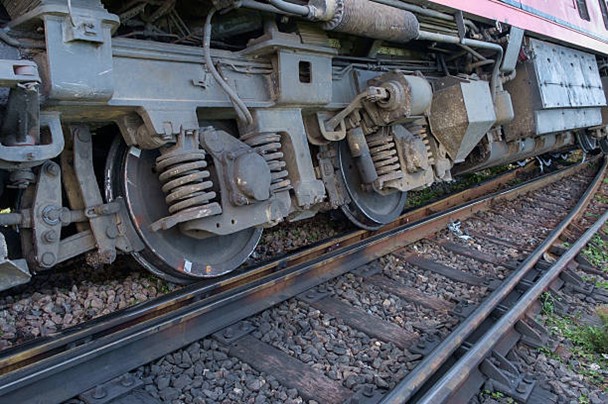
Train derailments can be catastrophic, causing severe injuries, loss of life, and extensive property damage. While train travel is generally safe, derailments still occur due to a variety of factors, from mechanical failures to human error. Understanding the most common causes of train derailments can help prevent future accidents and ensure accountability when negligence plays a role.
What Causes Train Derailments?
A train derailment happens when a train comes off its tracks, often leading to crashes, fires, and hazardous material spills. The Federal Railroad Administration (FRA) reports that derailments are responsible for millions of dollars in damages each year.
The Top Causes of Train Derailments
- Track Defects – One of the leading causes of derailments, broken rails, misaligned tracks, and switch failures can cause trains to jump off their tracks. Poor maintenance increases these risks.
- Mechanical Failures – Malfunctioning brakes, wheel defects, or issues with the locomotive engine can contribute to derailments. Routine inspections are critical to preventing mechanical breakdowns.
- Human Error – Train operators must follow strict speed limits, braking procedures, and track-switching protocols. Mistakes in operation or miscommunication between conductors and rail controllers can lead to derailments.
- Speeding – Excessive speed, especially around curves or in areas with poor track conditions, increases the likelihood of derailments. Many past derailments have been linked to trains traveling above recommended speeds.
- Obstructions on the Tracks – Fallen trees, vehicles at crossings, debris, and even animals on the tracks can force a train off its rails. Railroad companies must ensure tracks are clear and visible.
- Defective Train Components – Faulty couplings, axles, or wheel bearings can cause trains to separate or become unstable, leading to derailments. Manufacturing defects can also play a role.
- Poor Weather Conditions – Heavy rain, flooding, snow, and ice can weaken tracks, cause landslides, or reduce a train’s ability to brake effectively.
- Hazardous Cargo & Overloading – Trains carrying hazardous materials must follow strict safety regulations. Overloading or improperly securing cargo can shift weight distribution and throw a train off balance.
- Negligent Maintenance – Railroad companies are responsible for ensuring that tracks, signals, and train components are regularly inspected and maintained. Failure to do so can lead to preventable derailments.
- Bridge or Tunnel Failures – Structural weaknesses in bridges or tunnels can lead to catastrophic derailments, especially if inspections are not conducted regularly.
Who Is Liable in a Train Derailment?
Depending on the cause of the derailment, liability may fall on:
- Railroad companies for failing to maintain tracks and trains properly.
- Train operators for reckless or negligent driving.
- Manufacturers for producing defective train parts.
- Government agencies for inadequate track inspections and safety regulations.
What to Do If You’re Injured in a Train Derailment
- Seek medical attention immediately.
- Document the accident – Take photos and videos if possible.
- Gather witness information – Statements can be crucial for legal claims.
- Consult a train accident attorney – An experienced lawyer can help determine liability and pursue compensation for your injuries.
Cómo puede ayudar Buckeye Law Group
Our legal team investigates train derailments, works with accident reconstruction experts, and fights for victims’ rights. If you or a loved one has been injured in a train accident, we are here to help.
Llame al 800-411-PAIN o rellene nuestro formulario de contacto para obtener hoy mismo una consulta gratuita y sin compromiso sobre su caso.
Can a Traffic Ticket Lawyer Help Determine Fault After an Ohio Car Accident?
Traffic accidents are a common occurrence on Ohio roads. When they happen, determining fault is crucial for resolving car accident claims. Many drivers wonder if receiving a traffic citation automatically
How Long Do I Have to File a Personal Injury Claim in Ohio?
Quick Answer: Ohio law generally requires a bodily-injury lawsuit to be filed within two years after the claim accrues—usually when the injury occurs. Ohio Revised Code § 2305.10 governs many
Ohio Dram Shop Law: Can a Bar Be Liable for a Drunk-Driving Accident?
Understanding the Ohio Dram Shop Law is important for bar and restaurant owners, managers, employees, and individuals injured by an impaired driver. Under Ohio Revised Code § 4399.18, a liquor-permit
Columbus Personal Injury Attorney Serving Franklin County and Central Ohio
How a Columbus Personal Injury Attorney Helps Injured Clients Pursue Compensation Quick Answer: A Columbus personal injury attorney at Buckeye Law Group represents injured individuals throughout Columbus, Franklin County, and
What to Do After a Car Accident in Ohio: A Step-by-Step Guide
Quick Answer: Knowing what to do after a car accident in Ohio begins with stopping at the scene, checking for injuries, moving to safety when possible, contacting law enforcement, documenting
How to Preserve Dashcam, Business-Surveillance, and Traffic Camera Footage After a Car Accident in Ohio
Car accidents in Ohio can be chaotic and stressful. However, video evidence may provide an objective record of how a collision occurred. Dashcam recordings, business surveillance, and traffic camera footage
Pre-Existing Injury Accident Claims in Ohio—Can You Recover Compensation?
If you were already dealing with a medical condition before a car accident, you may wonder whether you can still pursue compensation. Fortunately, pre-existing injury accident claims are common, and
What Is an Independent Medical Examination (IME) in Ohio and Should You Trust It?
If you’ve been injured and are pursuing a personal injury or workers’ compensation claim, you may be asked to attend an independent medical examination in Ohio. While the name suggests
Can You Sue After a Falling Merchandise Injury in Ohio?
A falling merchandise injury in Ohio can happen in seconds but leave you with lasting physical, emotional, and financial consequences. Whether a heavy box falls from a high shelf or
What Happens If the At-Fault Driver Dies After a Car Accident in Ohio?
If the at-fault driver dies after a car accident in Ohio, many injury victims assume they have no way to recover compensation. Fortunately, that is not usually the case. While

Buckeye Law Group represents people injured in auto accidents, slip and falls, workplace accidents and more in Ohio. Contact us today to learn more.
© 2026 Todos los derechos reservados | The Buckeye Law Group Inc. Políticade privacidad Mapa del sitio
Ubicaciones de las oficinas
- Akron Office 388 S Main St #400 Akron, OH 44311 (330) 426-0288
- Cincinnati Office 201 E 5th St Ste 1910 Cincinnati, OH 45202 (513) 547-2445
- Cleveland Office 127 Public Square Ste 1540 Cleveland, OH 44114 (216) 677-5490
- Columbus Office 20 E Broad St Suite 300 Columbus, OH 43215 (614) 482-3793
- Dayton Office 70 Birch Alley Ste 240 Dayton, OH 45440 (937) 884-4474
- Euclid Office 25701 N Lakeland Blvd Suite 113-C, Cleveland, OH 44132 (216) 405-2626
- Mansfield Office 305 E Main St Ste 6A, Mansfield, OH 44904 (567) 210-2606
- Findlay Office 7430 Timberstone Dr unit 101a, Findlay, OH 45840 419-873-5119
- Mentor Office 7537 Mentor Ave Ste 101, Mentor, OH 44060 (440) 306-3536
- Middletown Office 300 N Main St #400, Middletown, OH 45042 (326) 800-9150
- Parma Office 1257 Rockside Rd #A, Parma, OH 44131 (216) 279-1664
- Springfield Office 2100 E High St Ste TL3, Springfield, OH 45505 (937) 806-5791
- Toledo Office 3950 Sunforest Ct Ste 200, Toledo, OH 43623 (567) 483-3883
- Westlake Office 26404 Center Ridge Rd Ste B2, Westlake, OH 44145 216-247-0565
- Whitehall Office 5340 E Main St Ste 203, Whitehall, OH 43213 (380) 257-5206
- Youngstown Office 306 Churchill Hubbard Rd, Youngstown, OH 44505 (234) 225-0683
Contáctenos
© 2026 Todos los derechos reservados | The Buckeye Law Group Inc. Políticade privacidad Mapa del sitio