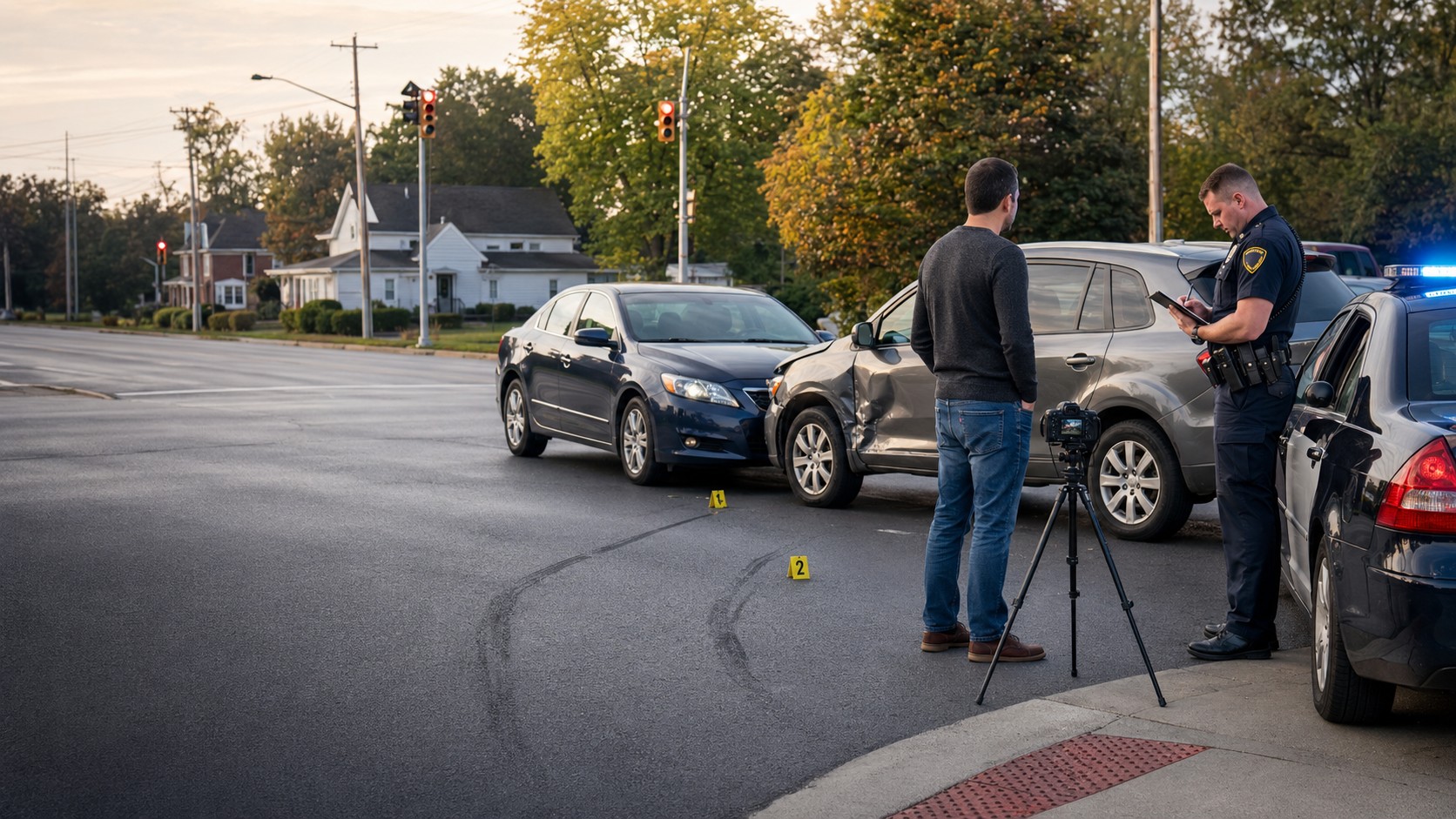
Traffic accidents are a common occurrence on Ohio roads. When they happen, determining fault is crucial for resolving car accident claims. Many drivers wonder if receiving a traffic citation automatically means they are at fault. In Ohio, traffic citations are issued for violations of traffic laws. However, they do not solely determine fault in a car crash. Fault is assessed based on various factors, including evidence and witness statements. Understanding how traffic citations influence fault determination can help drivers navigate the aftermath of an accident. Legal advice from a traffic ticket lawyer can be invaluable. This article explores the role traffic citations may play in car accident claims in Cleveland, Columbus, Cincinnati, Toledo, Dayton, Akron, and the surrounding Ohio communities.
What Is a Traffic Citation, and When Should You Consult an Ohio Traffic Ticket Lawyer?
A traffic citation is a formal notice issued when a law enforcement officer believes a driver violated an Ohio traffic law. Citations may document alleged conduct such as speeding, distracted driving, failing to yield, or disregarding a traffic signal. However, receiving a citation does not automatically establish legal responsibility for a car accident or determine the outcome of an injury claim. Fault must be evaluated using the complete evidence, including the crash report, witness statements, vehicle damage, photographs, video footage, and applicable Ohio law. An experienced traffic ticket lawyer can explain the alleged violation, protect the driver’s legal rights, and assess how the citation may affect related insurance or personal injury proceedings. Common reasons Ohio drivers receive traffic citations include:
- Speeding
- Running a red light
- Failure to yield
- Improper lane changes
The purpose of issuing traffic citations is to promote safety and order on the roads. They are tools used by law enforcement to penalize and deter unlawful driving behaviors. These citations hold drivers accountable and influence how car accident claims unfold.
How an Ohio Traffic Ticket Lawyer Evaluates Fault After a Car Accident
In Ohio, determining fault after a car accident requires a careful review of the available evidence and the circumstances surrounding the collision. Investigators may consider physical evidence from the scene, witness statements, police reports, vehicle damage, road conditions, traffic signals, and expert evaluations. Although a citation may be relevant, it does not automatically establish legal fault or determine the outcome of an injury claim. A traffic ticket lawyer may address the citation itself, while a personal injury attorney evaluates how the violation and other evidence affect liability and compensation. Insurance companies also conduct their own investigations before assigning fault. Adjusters may review photographs, crash reports, medical records, surveillance footage, and statements from the drivers involved. Common evidence used to determine fault includes:
- Informes policiales
- Photographic or video evidence
- Eyewitness testimony
- Accident reconstruction
Ohio follows the comparative negligence rule. This means both parties can share responsibility for the crash. Understanding each element helps shape the outcome of car accident claims.

Does Receiving a Traffic Citation Automatically Mean You Are at Fault?
Receiving a traffic citation does not automatically establish fault in an Ohio car crash. A citation may indicate a possible traffic violation, but it is not conclusive proof of liability. Courts, attorneys, and insurance companies review additional evidence when determining fault, including crash-scene documentation, vehicle damage, police reports, and witness statements. Therefore, a ticket is only one part of the overall liability analysis. Because a citation may affect insurance premiums and a related injury claim, addressing it promptly with an Ohio traffic ticket lawyer may help protect your rights. Understanding how citations and other evidence influence fault can support a fairer case outcome.
Drivers should not ignore a citation because it may carry separate legal, financial, and insurance consequences. An Ohio traffic ticket lawyer can explain options for addressing the citation, while a personal injury attorney can evaluate how the available evidence may affect the accident claim. Prompt legal guidance can help preserve evidence, protect your rights, and prevent assumptions about a ticket from unfairly influencing the outcome.
The Role of Police Reports and Evidence in Fault Determination
Police reports are important tools in Ohio car accident claims because they provide a detailed account of the crash scene. These reports may include statements from drivers, passengers, witnesses, and responding officers. Although a police report does not make the final determination of fault, it can provide valuable evidence for insurance negotiations or a personal injury claim. When a citation is involved, an Ohio traffic ticket lawyer can also explain how the alleged violation may affect the broader investigation. Evidence used to evaluate fault may include:
- Photos or videos of the accident scene.
- Witness statements.
- Damage to vehicles.
- Any other pertinent information.
This evidence, combined with the police report, forms the foundation for establishing fault. However, these reports do not make the final determination. Insurance companies will still conduct independent investigations before reaching conclusions, and an Ohio traffic ticket lawyer can help explain how a citation may affect the claim.
Comparative Negligence in Ohio: Sharing Fault After a Car Crash
Ohio follows a modified comparative negligence rule, meaning fault is not always assigned to one party. Two or more drivers may share responsibility for causing an accident. Under Ohio law, an injured person may generally recover compensation when they are 50% or less at fault. However, the award is reduced by their assigned percentage of responsibility. A person who is more than 50% at fault is generally barred from recovering damages. An experienced Ohio traffic ticket lawyer can explain how a citation may affect the allocation of fault.
A traffic citation may be considered alongside other evidence, but it does not automatically determine liability in a personal injury claim. A traffic ticket lawyer can help address the citation, while an Ohio personal injury attorney can evaluate how police reports, witness statements, photographs, vehicle damage, and other evidence may affect the broader accident claim. Key aspects of comparative negligence include:
- Fault sharing among multiple parties.
- Reduced compensation based on fault percentage.
- Eligibility for damages if less than 50% at fault.
Understanding these principles can help protect your rights after an Ohio car crash. Consulting a knowledgeable traffic ticket lawyer can clarify how a citation may affect your injury claim and ensure your interests are properly represented.
How Traffic Citations Affect Car Accident Claims and Insurance
Traffic citations can affect an Ohio car accident claim, but they do not automatically determine legal liability. Insurance adjusters may consider a citation when evaluating whether a driver violated a traffic law. However, they must also review the complete circumstances of the collision before assigning fault or calculating compensation.
A citation may also lead to higher insurance premiums because insurers often use a driver’s traffic history when assessing future risk. These consequences can make it important to address the citation promptly. An experienced traffic ticket lawyer can explain the potential effects of the charge, identify available defenses, and help protect the driver’s legal interests.
Still, a traffic ticket is only one part of the evidence considered in an accident investigation. Insurance companies, attorneys, and courts may examine several additional factors before reaching a conclusion about fault. Important elements include:
- Police reports and witness statements.
- Damage assessments from the accident.
- Any available photographic or video evidence.
These factors collectively help insurers evaluate fault and potential compensation. Understanding how traffic citations interact with this evidence is important for anyone involved in an Ohio traffic accident. An experienced traffic ticket lawyer can explain how a citation may affect the insurance claim while helping protect the injured person’s legal rights.
Can You Contest a Traffic Citation After an Ohio Car Accident?
Yes, you can contest a traffic citation in Ohio. Challenging a citation could affect fault determination. This might influence the outcome of related car accident claims. To contest a citation, you typically need to plead not guilty and request a court hearing. Here’s what you might consider:
- Gathering evidence that supports your case.
- Consulting with a traffic ticket lawyer for legal guidance.
- Preparing witness statements or other pertinent documentation.
Disputing a citation successfully can potentially alter its impact on insurance and fault assessments.
Why You Should Consider a Traffic Ticket Lawyer
Hiring a traffic ticket lawyer can provide crucial benefits. They have the expertise to navigate the complexities of Ohio traffic laws. This knowledge can be invaluable when disputing citations. A lawyer can assist you in several ways:
- Analyzing your case details for a strong defense.
- Negotiating with prosecutors for reduced penalties.
- Representing you in court proceedings.
Their guidance can ensure that you understand your rights and options. This can be crucial for minimizing the citation’s impact on your driving record and insurance rates.
Steps to Take After Receiving a Traffic Citation in an Ohio Car Crash
After receiving a traffic citation following an Ohio car accident, prompt action can help protect your rights. Document every detail while the incident is still fresh. Take photos and videos, gather witness contact information, and preserve all available evidence. You should also consider speaking with an experienced traffic ticket lawyer to understand how the citation may affect your injury claim. Next, consider the following steps:
- Contact your insurance company to report the accident.
- Review the citation details carefully to understand the charges.
- Consult a traffic ticket lawyer to discuss your options.
These steps can help you manage the citation’s impact on your driving record and potential car accident claims. A calm, organized response can make a significant difference.
Protecting Your Rights After an Ohio Traffic Accident
Understanding how traffic citations may affect an Ohio car accident claim is important. A citation can serve as relevant evidence, but it does not automatically determine who is legally at fault. Insurance companies, attorneys, and courts may also consider witness statements, photographs, vehicle damage, police reports, video footage, and applicable Ohio traffic laws.
After a collision, preserve evidence, seek appropriate medical care, and avoid making assumptions about liability. An experienced Ohio traffic ticket lawyer can explain how a citation may influence your case, challenge an improperly issued ticket, and help protect your legal rights. Because evidence can disappear and filing deadlines may apply, take prompt action and obtain guidance based on the specific facts of your accident.
Injured at a Columbus Apartment Complex? What Tenants and Visitors Should Document
A fall at a Columbus apartment complex can raise more than immediate medical concerns when a dangerous property condition may have contributed to the injury. For tenants and lawful visitors,
What Happens After a Personal Injury Lawsuit Is Filed in Franklin County?
Filing a personal injury lawsuit in Franklin County, OH, places your claim within a formal court process governed by procedural rules and deadlines. After filing, the defendant must be served
What to Do After a Hit-and-Run Accident in Columbus, Ohio
A hit-and-run accident in Columbus, OH, or the neighboring communities can leave you hurt, shaken, and unsure how to prove what happened. The right response is simple but urgent: get
Injured as a Passenger in a Columbus Car Accident? Understanding Your Options
If you were injured as a passenger in a Columbus car accident, you may have more options than you realize. Passengers are usually not the person blamed for the crash,
Who Pays Medical Bills While an Ohio Car Accident Claim Is Pending?
After a crash, medical care cannot wait for an insurance settlement. In Ohio, the person who caused the collision may ultimately be responsible for injury-related losses, but the at-fault driver’s
Cleveland Premises Liability Lawyers: Understanding Property Injury Claims in Ohio
How Cleveland Premises Liability Lawyers Evaluate Property Injury Claims Under Ohio Law A serious injury on someone else’s property can raise immediate questions about medical bills, responsibility, and your next
How Long Does an Auto Accident Settlement Take in Ohio? A Guide to the Claims Process
Ohio Auto Accident Settlement Timeline: What to Expect From Claim to Payout An Ohio auto accident settlement can move quickly when injuries are minor, liability is clear, and records are
How Buckeye Law Group’s Slip and Fall Injury Lawyers Help Injured Ohioans Understand Their Legal Options
Ohio Slip and Fall Injury Lawyers Helping You Understand Your Rights After a Serious Injury A slip and fall can turn an ordinary trip to a store, apartment building, workplace,
How Can an Ohio Truck Accident Lawyer Help You Protect Your Rights After a Commercial Truck Crash?
Legal Guidance After an Ohio Truck Accident: How an Ohio Truck Accident Lawyer Can Support Your Claim A truck accident lawyer from Buckeye Law Group can help injured individuals and
Should You Accept An Insurance Settlement Offer? Why Ohio Injury Victims Should Speak With An Attorney First
After an accident, an insurance settlement offer may provide welcome financial relief while medical bills and lost wages continue to accumulate. However, accepting an offer before the full extent of

Buckeye Law Group represents people injured in auto accidents, slip and falls, workplace accidents and more in Ohio. Contact us today to learn more.
© 2026 Todos los derechos reservados | The Buckeye Law Group Inc. Políticade privacidad Mapa del sitio
Ubicaciones de las oficinas
- Akron Office 388 S Main St #400 Akron, OH 44311 (330) 426-0288
- Cincinnati Office 201 E 5th St Ste 1910 Cincinnati, OH 45202 (513) 547-2445
- Cleveland Office 127 Public Square Ste 1540 Cleveland, OH 44114 (216) 677-5490
- Columbus Office 20 E Broad St Suite 300 Columbus, OH 43215 (614) 482-3793
- Dayton Office 70 Birch Alley Ste 240 Dayton, OH 45440 (937) 884-4474
- Euclid Office 25701 N Lakeland Blvd Suite 113-C, Cleveland, OH 44132 (216) 405-2626
- Mansfield Office 305 E Main St Ste 6A, Mansfield, OH 44904 (567) 210-2606
- Findlay Office 7430 Timberstone Dr unit 101a, Findlay, OH 45840 419-873-5119
- Mentor Office 7537 Mentor Ave Ste 101, Mentor, OH 44060 (440) 306-3536
- Middletown Office 300 N Main St #400, Middletown, OH 45042 (326) 800-9150
- Parma Office 1257 Rockside Rd #A, Parma, OH 44131 (216) 279-1664
- Springfield Office 2100 E High St Ste TL3, Springfield, OH 45505 (937) 806-5791
- Toledo Office 3950 Sunforest Ct Ste 200, Toledo, OH 43623 (567) 483-3883
- Westlake Office 26404 Center Ridge Rd Ste B2, Westlake, OH 44145 216-247-0565
- Whitehall Office 5340 E Main St Ste 203, Whitehall, OH 43213 (380) 257-5206
- Youngstown Office 306 Churchill Hubbard Rd, Youngstown, OH 44505 (234) 225-0683
Contáctenos
© 2026 Todos los derechos reservados | The Buckeye Law Group Inc. Políticade privacidad Mapa del sitio