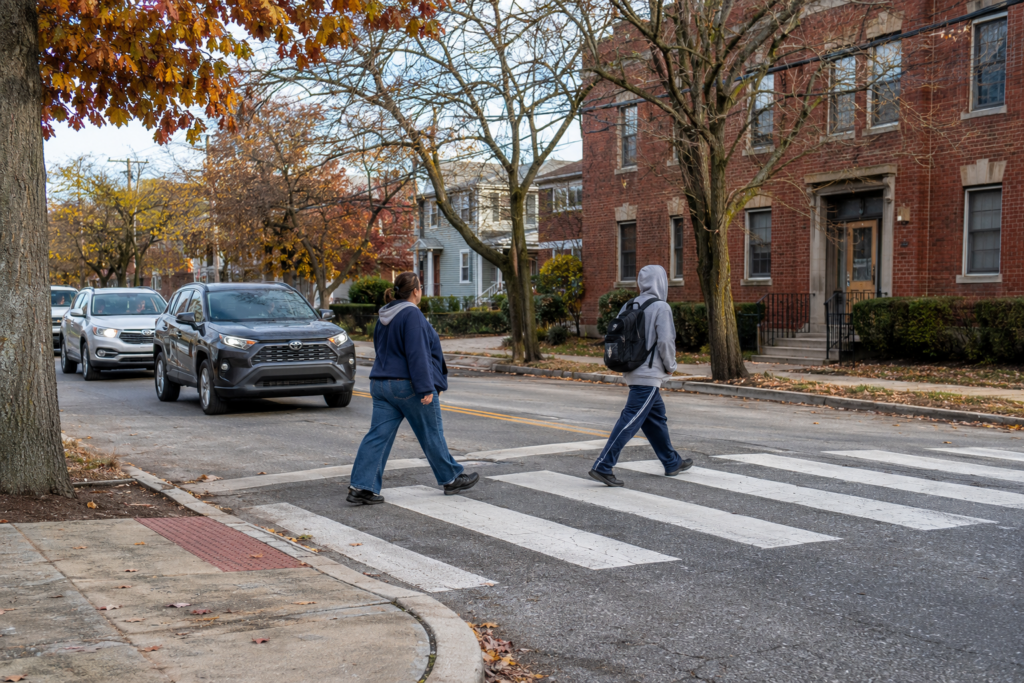
CLEVELAND, OHIO — The City of Cleveland is preparing pedestrian safety improvements at 18 locations throughout the city, with construction currently anticipated in 2027. The initiative focuses on improving street crossings, increasing pedestrian visibility, and addressing roadway safety concerns near schools, libraries, parks, public transportation, and other neighborhood destinations.
Supported by funding from the Ohio Department of Transportation (ODOT) and Cleveland’s Vision Zero program, the projects are intended to create safer conditions for residents who walk, use mobility devices, or travel through busy intersections. For Cleveland residents, understanding where these improvements are planned, how pedestrian crossings may change, and what Ohio law requires can help them navigate local roadways more safely.
This guide examines the city’s proposed improvements, anticipated construction schedule, pedestrian right-of-way laws, and local resources available to residents.
Call (216) 677-5490 or request a free consultation to speak with our experienced local Cleveland pedestrian accident attorneys at Buckeye Law Group today.
What Are Cleveland’s 2027 Pedestrian Safety Projects?
According to the City of Cleveland’s official 2027 Pedestrian Safety Projects webpage, the initiative includes 18 locations identified through an evaluation of pedestrian activity, crash history, community concerns, and roadway conditions.
The improvements support Cleveland’s Vision Zero Action Plan, adopted by the Cleveland City Planning Commission on September 2, 2022. Vision Zero seeks to eliminate traffic-related deaths and serious injuries through safer roadway design, speed management, and other transportation safety measures. Rather than concentrating exclusively on major intersections, the 2027 program also includes midblock crossings where residents may need to cross busy streets to reach neighborhood destinations.
Important: The city has identified the proposed project locations, but individual safety treatments remain subject to design changes. The planned improvements should not be considered completed or operational until the city confirms their installation.
Where Are Cleveland’s Pedestrian Safety Improvements Planned?
The city has identified the following locations across several Cleveland City Council wards:
- Ward 1: Miles Avenue and East 151st Street.
- Ward 5: Kinsman Road and Griswold Avenue; Kinsman Road between East 71st and East 75th Streets; Quincy Avenue at East 40th Street; and Quincy Avenue at East 55th Street.
- Ward 7: Bridge Avenue and West 44th Street; and Detroit Avenue and West 26th Street.
- Ward 8: Lakeside Avenue at East Mall Drive and West Mall Drive; and St. Clair Avenue at East Mall Drive and West Mall Drive.
- Ward 10: Waterloo Road and East 162nd Street; and Lakeshore Boulevard between Grovewood Avenue and Glencoe Road.
- Wards 13/15: Arlis Avenue and West 140th Street.
- Ward 15: Lorain Avenue and West 147th Street; and Rocky River Drive at West Park Road, Oxford Avenue, and Edgecliff Avenue.
Residents can review the city’s interactive 2027 Pedestrian Safety Project Locations Map for additional information about proposed treatments.
What Types of Crosswalk and Intersection Improvements Are Planned?
The city identifies several pedestrian safety treatments under consideration. Each addresses different roadway conditions and potential conflicts between vehicles and pedestrians.
- High-Visibility Crosswalks: High-visibility crosswalks use prominent pavement markings to make pedestrian crossing areas easier for approaching motorists to recognize. These markings can be particularly useful near schools, community facilities, and locations experiencing substantial pedestrian activity.
- Pedestrian Hybrid Beacons: Pedestrian hybrid beacons, sometimes called HAWK signals, allow pedestrians to activate traffic-control signals at designated crossings. When activated, the signals warn approaching motorists and eventually display a solid red indication requiring drivers to stop.
- Rectangular Rapid Flashing Beacons: Rectangular rapid flashing beacons (RRFBs) use pedestrian-activated flashing lights to increase awareness of people waiting to cross or using designated crosswalks. Unlike pedestrian hybrid beacons, RRFBs do not display a red traffic signal.
- Pedestrian Refuge Islands and Curb Extensions: Pedestrian refuge islands provide a designated waiting area between opposing directions of traffic, allowing pedestrians to cross a roadway in stages. Curb extensions shorten crossing distances and can improve visibility between drivers and pedestrians. The exact combination of these treatments will depend on the final design at each location.
Cleveland Neighborhoods That Could Benefit From the Improvements
Several proposed locations illustrate how pedestrian safety concerns can affect everyday access to local services.
Kinsman Road: School, Library, and Transit Access
The proposed improvements near East 72nd Street address pedestrian activity between Anton Grdina School and the Cleveland Public Library’s Garden Valley Branch. During the city’s 2026 public comment period, residents identified concerns involving vehicle speeds, crossing conditions, and children traveling between the school and library.
According to the city, the planned crossing will include high-visibility markings, a pedestrian refuge island, and a pedestrian hybrid beacon. The city also anticipates restriping Kinsman Road between East 55th and East 93rd Streets during summer 2027 as a separate roadway safety project.
Lakeshore Boulevard: Visibility and Roadway Curves
The proposed crossing between Grovewood Avenue and Glencoe Road has generated community concerns about visibility near a roadway curve. The city’s published response describes planned refuge island medians, advance warning signs, additional signal heads, and a pedestrian hybrid beacon. These features are intended to increase driver awareness and provide pedestrians with a controlled crossing opportunity.
Waterloo Road: Access to the Waterloo Arts District
At Waterloo Road and East 162nd Street, the city proposes pedestrian crossing improvements that include a refuge island. Community feedback raised questions about whether the crossing location aligns with pedestrian travel patterns near the Waterloo Arts District.
Although some residents suggested alternative locations, the city has retained the proposed East 162nd Street crossing within the project’s current scope. These examples demonstrate why local feedback, pedestrian activity, and roadway geometry matter when transportation agencies evaluate crossing locations.
When Will Cleveland’s 2027 Pedestrian Safety Construction Begin?
The City of Cleveland currently identifies the following anticipated schedule:
| Project Milestone | Anticipated Timing |
|---|---|
| Design Completion | Winter 2026 |
| Construction Begins | Summer 2027 |
| Safety Treatments Completed | Fall 2027 |
Construction may require temporary sidewalk restrictions, lane closures, or changes to pedestrian access. Residents should follow posted construction signs, use designated temporary crossings, and avoid entering closed work areas.
Drivers should also anticipate changes in traffic patterns and remain alert for pedestrians traveling near construction zones. These dates are projections, not guaranteed completion deadlines. The city indicates that schedules and traffic impacts will be updated as the project progresses.
Understanding Ohio Pedestrian Right-of-Way Laws
Physical improvements can help create safer crossings, but drivers and pedestrians must continue following Ohio traffic laws:
- When Must Drivers Yield to Pedestrians? Under Ohio Revised Code § 4511.46, when traffic signals are absent, not operating, or not clearly assigning the right-of-way, motorists generally must yield to pedestrians within crosswalks when the pedestrian is on the driver’s half of the roadway or approaching closely enough from the opposite half to be in danger. The statute also prohibits drivers from overtaking a vehicle stopped at a crosswalk to allow a pedestrian to cross. At signalized intersections, drivers and pedestrians must follow applicable traffic-control indications.
- Do Pedestrians Always Have the Right-of-Way? No. Under Ohio Revised Code § 4511.48, pedestrians crossing outside marked crosswalks or unmarked crosswalks at intersections generally must yield to roadway traffic. The law also restricts crossing between adjacent signalized intersections to marked crosswalks. However, motorists still have a duty to exercise due care to avoid collisions with pedestrians.
- What Happens After a Pedestrian Accident in Cleveland? Determining responsibility requires an evaluation of the particular circumstances, including traffic signals, visibility, vehicle movements, and the actions of those involved. Ohio’s comparative negligence law, § 2315.33, generally permits recovery when the injured person’s share of fault does not exceed 50%, although compensation may be reduced proportionally. Under § 2305.10, many Ohio personal injury claims have a two-year filing period, subject to exceptions. Claims potentially involving governmental entities require additional analysis because Ohio law provides certain protections and exceptions concerning public-agency liability. A planned or previously identified roadway safety improvement does not, by itself, establish legal responsibility for an accident.
Practical Pedestrian Safety Precautions During Roadway Improvements
Residents traveling near Cleveland’s proposed improvement locations should continue exercising caution before and during construction. Before crossing, identify the designated pedestrian crossing and observe applicable signals. Make sure approaching vehicles have sufficient time and distance to stop. Drivers approaching crosswalks should reduce distractions, watch for pedestrians entering or approaching the roadway, and avoid passing vehicles stopped for pedestrians.
Parents and caregivers should discuss safe crossing locations with children who travel to nearby schools, libraries, and recreation facilities. Pedestrians using wheelchairs, walkers, or strollers should also watch for temporary sidewalk closures and changes to accessible routes during construction. When a crossing signal, pavement marking, or pedestrian ramp is damaged, residents can report the issue through Cleveland’s municipal service system.
Cleveland Pedestrian Safety Resources and Local Agency Contacts
Cleveland residents can contact several public agencies for information about roadway conditions, pedestrian improvements, construction activity, and transportation accessibility:
City of Cleveland Division of Traffic Engineering
- General Office: (216) 664-3195
- Traffic Signals: (216) 420-8273
- Traffic Signing and Street Marking: (216) 420-8282
- Address: 601 Lakeside Ave E #518, Cleveland, OH 44114
- Website: Cleveland Traffic Engineering
Contact this division regarding traffic-control devices, crosswalk markings, and traffic signal concerns.
Cleveland 311 — City Service Requests
- Phone: 311 or (216) 664-2000
- Website: Cleveland 311
Residents can report non-emergency concerns involving city streets, damaged infrastructure, and other municipal maintenance issues.
Ohio Department of Transportation — District 12
- Phone: (216) 581-2100
- Address: 5500 Transportation Boulevard, Garfield Heights, OH 44125
- General Website: ODOT District Information
- District 12 Website: ODOT District 12 Information
ODOT District 12 serves Cuyahoga County and can provide information concerning state transportation projects and relevant roadway safety programs.
Greater Cleveland Regional Transit Authority
- Customer Service: (216) 621-9500
- Address: 1240 West 6th Street, Cleveland, OH 44113
- Website: GCRTA Customer Service
GCRTA can assist residents with bus service information, transit accessibility, and concerns involving access to transit stops.
Cleveland Division of Police
- Emergency: 911
- Non-Emergency: (216) 621-1234
- Website: Cleveland Division of Police
Contact emergency services immediately when a pedestrian collision involves injuries or an immediate roadway hazard.
Frequently Asked Questions About Cleveland’s 2027 Pedestrian Projects
- Will all 18 pedestrian safety locations receive the same improvements? Not necessarily. The city is evaluating different safety treatments based on individual roadway conditions. Final designs may differ by location.
- Will the projects affect vehicle traffic? Temporary traffic disruptions are possible. The city has identified potential sidewalk and lane closures but has not established one universal closure schedule for all locations.
- How can residents follow project updates? Residents can review the official project webpage, consult the interactive project map, and use the city’s project sign-up and comment form.
Looking Ahead: Improving Pedestrian Safety Throughout Cleveland
Cleveland’s planned 2027 pedestrian safety projects represent an investment in improving crossings and roadway conditions throughout the city. For residents who regularly travel near Kinsman Road, Waterloo Road, Lakeshore Boulevard, Rocky River Drive, and other proposed improvement locations, understanding the projects can help them prepare for future roadway changes.
At Buckeye Law Group’s Cleveland office, we recognize the importance of pedestrian safety and public awareness of Ohio traffic laws. Individuals injured in pedestrian collisions can learn more about their legal options through our Cleveland pedestrian injury resources.
Call (216) 677-5490 or request a free consultation to speak with our experienced local Cleveland pedestrian accident attorneys at Buckeye Law Group today.
Legal Disclaimer: This article provides general educational information and does not constitute legal advice. Construction schedules and proposed improvements are subject to change. Liability and legal rights depend on the specific facts and applicable law. Reading this article does not establish an attorney-client relationship.