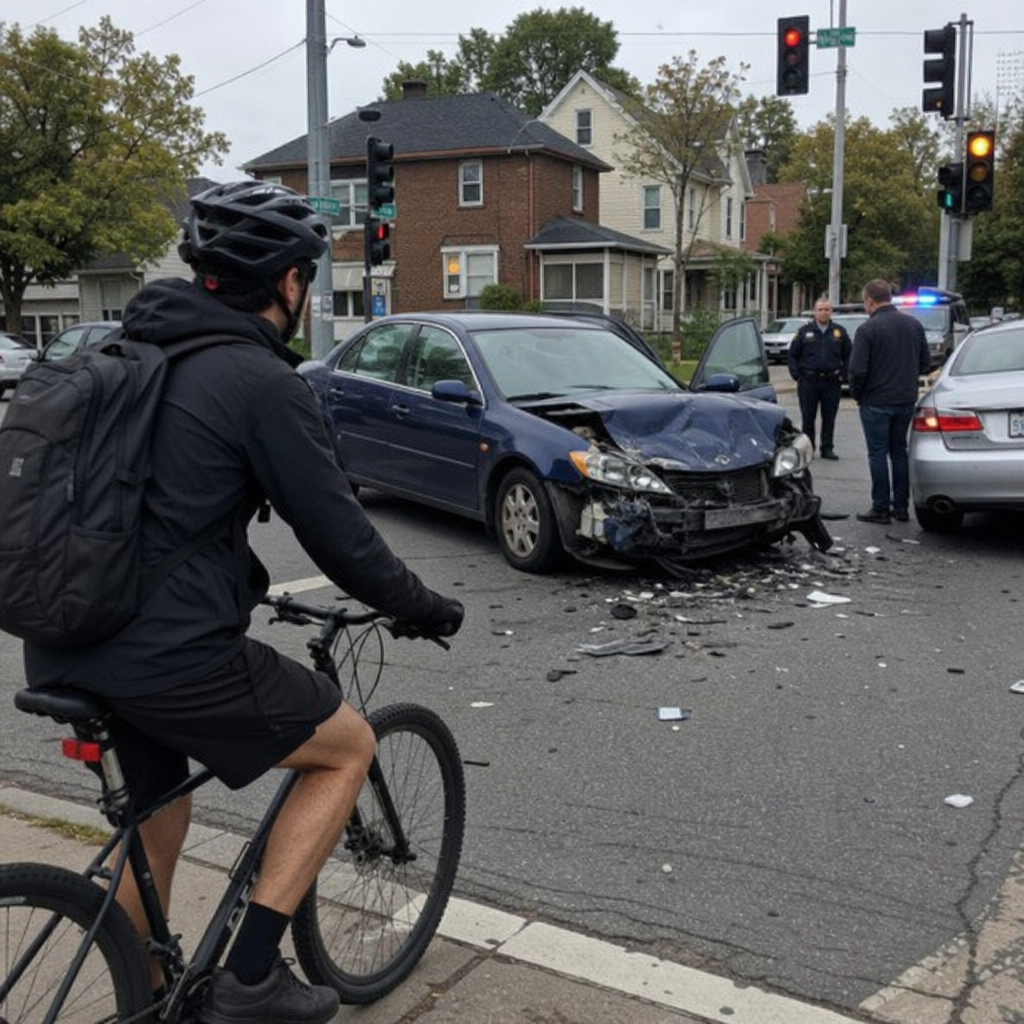
A bicycle crash can turn an ordinary ride into a medical, financial, and legal problem in seconds. If you were hurt in a Middletown bicycle accident, a personal injury attorney can help you understand your rights, preserve evidence, deal with insurance companies, and pursue compensation for the losses the crash caused. Because “Middletown” may refer to communities in more than one state, this guide explains the practical steps that matter while also flagging why local legal advice is important.
Call (326) 800-9150 or request a free consultation with a Middletown bicycle accident attorney at Buckeye Law Group today.
How can a Middletown personal injury attorney help after a bicycle accident?
A Middletown personal injury attorney can help by investigating what happened, identifying every potentially responsible party, calculating the full value of the claim, and communicating with insurers so you are not pressured into an unfair settlement. This support is especially useful when injuries are serious, fault is disputed, or the driver’s insurance company argues that the cyclist caused the crash.
Attorney involvement is not only about filing paperwork. Bicycle injury claims often depend on details that can disappear quickly: skid marks, vehicle damage, traffic camera footage, witness memory, helmet and bike damage, road conditions, and medical documentation. A lawyer can send preservation letters, request police reports, consult reconstruction professionals when appropriate, and organize the claim around evidence rather than assumptions.
An attorney can also help you avoid common mistakes. Many injured cyclists give recorded statements before they know the extent of their injuries. Others post on social media, delay treatment, throw away damaged gear, or accept early offers that do not account for future care. Legal guidance gives you a buffer between your recovery and the insurance company’s effort to limit payment.
Middletown bicycle accidents often involve more than one legal issue
Not every bicycle crash is a simple driver-versus-cyclist dispute. A collision may involve a distracted driver, an unsafe lane change, a dooring incident, a commercial vehicle, a rideshare driver, a defective bike part, poor lighting, a dangerous road surface, or a government-controlled roadway. Each possibility changes what evidence matters and who may be responsible.
Your location matters. Middletown, Ohio and Middletown, New York are different jurisdictions with different procedural rules, deadlines, and fault standards. In Ohio, personal injury actions are generally subject to a two-year filing period, while New York courts list a three-year period for many negligence-based personal injury claims. Wrongful death deadlines can be different from injury deadlines; Ohio and New York both commonly use a two-year period for wrongful death claims, but exceptions may apply depending on the facts and defendants involved.
Fault rules also vary. Ohio law reduces recoverable damages by the injured person’s percentage of fault and can bar recovery if the plaintiff’s fault is greater than the combined fault of others. New York’s comparative fault statute generally reduces damages by the claimant’s share of fault, and the current statute includes a specific motor-vehicle-related exception for certain actions subject to Insurance Law Article 51. That is why online research should never replace state-specific legal advice. A Middletown personal injury attorney can confirm which law applies, whether a notice requirement exists, and what deadline controls your specific case.
What compensation may be available in bicycle injury claims?
Compensation in bicycle injury claims may cover both financial losses and the human impact of the crash. The value depends on injury severity, medical proof, fault, insurance coverage, future limitations, and how well the damages are documented. Common categories include:
- Emergency and follow-up medical care: ambulance transport, emergency room treatment, surgery, medication, imaging, physical therapy, specialist visits, and future treatment plans.
- Lost income and reduced earning ability: missed work, reduced hours, lost benefits, or long-term limits on the type of work you can perform.
- Pain and suffering: the physical discomfort, inconvenience, and disruption caused by the injury.
- Emotional distress: anxiety, sleep problems, fear of riding again, or trauma connected to the collision.
- Loss of quality of life: difficulty exercising, commuting, caring for family, enjoying hobbies, or living independently.
- Property damage: repair or replacement of the bicycle, helmet, lights, phone, clothing, or other damaged personal items.
- Wrongful death damages: when a crash is fatal, eligible family members may pursue losses connected to the death, including funeral-related expenses and other legally recognized damages.
Serious bicycle crashes can involve traumatic brain injuries, spinal cord injuries, fractures, internal injuries, severe road rash, soft tissue damage, dental injuries, and psychological trauma. Even injuries that seem manageable at first can become more complicated after swelling, concussion symptoms, or mobility limitations appear.
The strongest claims connect each damage category to documentation. Medical records show diagnosis and treatment. Pay records show income loss. Photos show visible injuries and property damage. Journals can help track pain, missed activities, and recovery challenges. Together, these details help present the claim as a real life disruption, not just a stack of bills.
Steps to take after a bicycle crash
The first priority is safety and medical care. After that, the choices you make can affect both your recovery and your legal position. If you are too injured to handle these steps yourself, ask a trusted person to help.
- Call 911 and request police assistance: A police response can create an official record of the collision, including the location, involved parties, witness information, and preliminary observations about how the crash occurred.
- Seek medical attention promptly: Some injuries are not immediately apparent after a collision. Prompt evaluation can protect your health while creating medical documentation that may later be important to an injury claim.
- Document the accident scene: If you can do so safely, photograph or record vehicle positions, bicycle damage, skid marks, traffic controls, roadway conditions, lighting, weather conditions, and visible injuries.
- Obtain witness information: Collect the names and contact information of anyone who saw the collision. Independent witness accounts can become important when fault or other facts are disputed.
- Preserve physical evidence: Keep the damaged bicycle, helmet, clothing, lights, and other equipment in their post-accident condition. Avoid repairing, altering, or discarding potentially important evidence before the claim is properly evaluated.
- Avoid debating fault at the scene: Provide accurate, factual information to police officers and medical personnel. Avoid speculation, accusations, or statements about responsibility before the circumstances have been fully investigated.
- Use caution when communicating with insurance adjusters: Recorded statements and broad medical authorizations can affect how an insurer evaluates a claim. Consider understanding your rights and the scope of any request before providing extensive information.
- Consider speaking with an attorney before accepting a settlement: An early settlement offer may not account for future medical treatment, ongoing symptoms, lost earning capacity, or other long-term consequences of the injury.
These steps are practical because bicycle cases are often contested. A driver may say the cyclist “came out of nowhere, failed to signal, rode outside a bike lane, or ignored a traffic device.” Timely documentation helps answer those arguments with facts.
Insurance companies are not neutral decision-makers
Insurance adjusters may be polite, responsive, and professional, but their role is to protect the insurer’s financial interests. That does not make them villains; it simply means their goals are different from yours. You need compensation that reflects your full losses. The insurer wants to resolve the claim for as little as it can reasonably justify. Common pressure points include requesting a quick recorded statement, suggesting that minor bike damage means minor injury, blaming the cyclist for visibility or lane position, questioning gaps in treatment, or offering a settlement before the full medical picture is known. These tactics can be stressful when you are already dealing with pain, missed work, and transportation problems. A personal injury attorney can manage communications, organize medical evidence, respond to fault arguments, and negotiate from a documented position. If settlement discussions fail, the attorney can explain litigation options and the risks of going forward.
Bicycle accident statistics show why safety and accountability matter
Bicycle accident statistics help put individual crashes in context. NHTSA reported 1,166 pedalcyclist fatalities in U.S. traffic crashes in 2023, representing 2.9% of all traffic fatalities that year. The same federal report noted alcohol involvement by either the driver or the cyclist in 34% of fatal pedalcyclist crashes in 2023.
Numbers cannot describe what a crash feels like for the injured person, but they do show that bicycle safety is not a minor issue. Cyclists remain physically exposed in collisions with motor vehicles, and the difference between a near miss and a catastrophic injury can be a few feet, a few seconds, or one distracted decision. For Middletown residents, the local context may include commuting routes, school zones, busy intersections, parks, neighborhood streets, and roads where drivers may not expect cyclists. The safest approach combines prevention with accountability: cyclists should ride predictably and visibly, while drivers must share the road with care.
Bicycle safety tips for everyday riding in Middletown
No safety habit can eliminate the risk created by careless drivers, but strong habits can reduce exposure and create clearer evidence if a crash occurs. These bicycle safety tips are useful for commuting, fitness rides, errands, and family cycling.
- Use lights even during the day: Front and rear lights make you easier to notice in shadows, rain, and traffic.
- Wear a properly fitted helmet: A helmet cannot prevent every injury, but it can reduce the risk of severe head trauma.
- Ride predictably: Hold your line, signal turns, and avoid sudden moves between parked cars.
- Watch for turning vehicles: Intersections and driveways are common conflict points because drivers may look for cars but miss cyclists.
- Give parked cars space: Dooring crashes happen quickly and can push cyclists into traffic.
- Document unsafe patterns: If you repeatedly notice dangerous road defects or signal problems, report them to the appropriate local authority.
- Assume visibility is imperfect: Eye contact with a driver does not always mean the driver understood your speed or path.
For parents, young riders, and newer cyclists, route choice matters. A slightly longer route with calmer traffic may be safer and less stressful than the most direct path.
The right legal resources can change your path forward
After a bicycle crash, it is easy to feel overwhelmed by medical bills, insurance calls, bike replacement costs, and uncertainty about what comes next. The right legal resources can help you move from reaction to strategy. That may mean confirming deadlines, reviewing fault, identifying insurance coverage, estimating damages, and deciding whether settlement or litigation is the better path. If you were injured in a Middletown bicycle accident, do not wait until evidence fades or an insurer defines the story for you. Get medical care, preserve what you can, and speak with a Middletown personal injury attorney who can evaluate the facts under the law that applies to your location. The sooner you understand your options, the easier it is to protect your recovery and pursue the compensation you deserve.
Call (326) 800-9150 or request a complimentary consultation with a Middletown bicycle accident attorney at Buckeye Law Group.
*This article provides general information about Middletown bicycle accidents and the steps injured cyclists may consider taking after a crash. It is intended for educational purposes only and does not constitute legal advice for your specific circumstances. Reading this article or contacting Buckeye Law Group does not, by itself, create an attorney-client relationship. Bicycle accident claims may involve questions about driver negligence, roadway conditions, insurance coverage, medical treatment, witness evidence, and the actions taken immediately after the collision. Evaluating a potential claim requires a careful review of the crash, available evidence, applicable insurance policies, Ohio law, and relevant filing deadlines. Consult qualified Middletown bicycle accident attorneys for guidance regarding your rights, available legal options, and the steps that may be appropriate after a bicycle accident in Middletown, Ohio. Every case is different, and prior results do not guarantee a similar outcome.*
How to Document Lost Wages After a Columbus Car Accident
After a Columbus car accident, lost wage documentation is the paper trail that shows how your injuries reduced your income. The stronger that trail is, the easier it is to
How Can a Personal Injury Attorney Help After a Bicycle Accident in Middletown, Ohio?
A bicycle crash can turn an ordinary ride into a medical, financial, and legal problem in seconds. If you were hurt in a Middletown bicycle accident, a personal injury attorney
Columbus Bicycle Accidents and What to Do After A Crash
A bicycle crash can turn an ordinary ride through Columbus into a medical, financial, and legal problem in seconds. Whether the collision happens near Downtown, in the University District, along
Injured in a Columbus Rental Car Accident? Which Insurance Documents Matter
A rental car crash can turn into an insurance maze quickly, especially when someone is injured. After a Columbus rental car accident, the documents that matter most are the ones
Dog Bite at a Columbus Home or Apartment What Information Should You Preserve
A dog bite in a home, rental unit, hallway, courtyard, or apartment complex can become both a medical emergency and a legal problem within minutes. The information you preserve immediately
Pain That Appears After a Columbus Car Accident Documenting Symptoms and Treatment
Pain after a crash does not always show up at the scene. Many people walk away from a Columbus auto accident feeling shaken but “mostly fine,” only to wake up
Do I Need a Lawyer After a Car Accident in Columbus Ohio?
A car accident in Columbus can turn into a legal and financial problem long before you feel ready to deal with paperwork, phone calls, and medical bills. You may not
What to Do if the Police Report Is Wrong After a Columbus Car Accident
Finding an error in your police report can add uncertainty to an already difficult situation. You may worry that an incorrect diagram, missing witness, or inaccurate statement will affect your
The Insurer Blames You for a Columbus Motorcycle Crash What Evidence Matters
When an insurer says the rider caused a Columbus motorcycle crash, that is not the end of the claim. Fault can be challenged with the right records, careful crash scene
Akron Truck Accident Attorney: Protecting Your Rights After a Serious Collision
A serious truck crash can leave you managing medical treatment, missed work, vehicle damage, and calls from insurance companies. An Akron truck accident attorney can investigate the collision, identify potentially

Buckeye Law Group represents people injured in auto accidents, slip and falls, workplace accidents and more in Ohio. Contact us today to learn more.
© 2026 Todos los derechos reservados | The Buckeye Law Group Inc. Políticade privacidad Mapa del sitio
Ubicaciones de las oficinas
- Akron Office 388 S Main St #400 Akron, OH 44311 (330) 426-0288
- Cincinnati Office 201 E 5th St Ste 1910 Cincinnati, OH 45202 (513) 547-2445
- Cleveland Office 127 Public Square Ste 1540 Cleveland, OH 44114 (216) 677-5490
- Columbus Office 20 E Broad St Suite 300 Columbus, OH 43215 (614) 482-3793
- Dayton Office 70 Birch Alley Ste 240 Dayton, OH 45440 (937) 884-4474
- Euclid Office 25701 N Lakeland Blvd Suite 113-C, Cleveland, OH 44132 (216) 405-2626
- Mansfield Office 305 E Main St Ste 6A, Mansfield, OH 44904 (567) 210-2606
- Findlay Office 7430 Timberstone Dr unit 101a, Findlay, OH 45840 419-873-5119
- Mentor Office 7537 Mentor Ave Ste 101, Mentor, OH 44060 (440) 306-3536
- Middletown Office 300 N Main St #400, Middletown, OH 45042 (326) 800-9150
- Parma Office 1257 Rockside Rd #A, Parma, OH 44131 (216) 279-1664
- Springfield Office 2100 E High St Ste TL3, Springfield, OH 45505 (937) 806-5791
- Toledo Office 3950 Sunforest Ct Ste 200, Toledo, OH 43623 (567) 483-3883
- Westlake Office 26404 Center Ridge Rd Ste B2, Westlake, OH 44145 216-247-0565
- Whitehall Office 5340 E Main St Ste 203, Whitehall, OH 43213 (380) 257-5206
- Youngstown Office 306 Churchill Hubbard Rd, Youngstown, OH 44505 (234) 225-0683
Contáctenos
© 2026 Todos los derechos reservados | The Buckeye Law Group Inc. Políticade privacidad Mapa del sitio