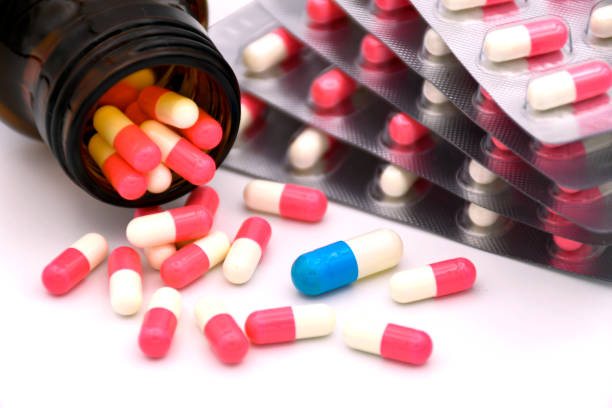
When Medication Mistakes Put Patients in Danger
Hospitals are supposed to be safe, controlled environments where medications are administered accurately and monitored closely. But even in well-staffed medical facilities, medication errors—especially dosage mistakes and missed allergy warnings—remain alarmingly common. These errors can cause severe injuries, permanent complications, or even death.
For Ohio patients and families, understanding how these mistakes happen is critical to identifying whether medical negligence played a role.
Common Causes of Dosage Errors in Hospitals
Dosage mistakes happen when a healthcare provider administers the wrong amount of medication—too much, too little, or at the wrong intervals. These errors can occur at any point in the medication process.
The most common causes include:
- Misreading handwritten prescriptions
- Incorrectly entering dosage amounts into electronic medical records
- Nurse fatigue or staffing shortages leading to rushed medication rounds
- Failure to double-check pediatric dosages, which require weight-based calculations
- Confusing look-alike or sound-alike medications
- Failure to monitor patients who require strict dosage adjustments
- Medication pump programming errors
Even a small dosage mistake can lead to organ failure, respiratory distress, seizures, or severe reactions that could have been prevented with proper care.
How Allergic Reactions Occur Due to Negligence
Many allergic reactions in hospitals happen because of preventable communication or documentation failures. Severe reactions like anaphylaxis can occur when medical professionals:
- Fail to review a patient’s allergy history
- Ignore clear allergy alerts in the chart
- Administer medications without confirming patient identity
- Use medications known to cross-react with existing allergies
- Give contrast dye to patients with documented sensitivities
A properly maintained chart, double-checked procedures, and accurate communication between providers should prevent these incidents—yet negligence still occurs.
Signs of a Serious Medication-Related Injury
Patients may not always recognize when their symptoms are linked to a medication mistake. Warning signs include:
- Sudden difficulty breathing
- Swelling of the lips, tongue, or throat
- Severe rash or hives
- Confusion or loss of consciousness
- Irregular heartbeat
- Seizures
- Persistent vomiting
- Dramatic blood pressure changes
Any of these symptoms following medication administration should be treated as an emergency—not an unfortunate side effect.
Can You File a Lawsuit for Dosage Errors or Allergic Reactions?
Yes. If a hospital or healthcare provider failed to follow proper safety protocols, you may be able to file a medical malpractice claim. To succeed, your legal team must prove:
- A duty of care existed
- The provider breached that duty by administering medication improperly
- The breach caused injury
- You suffered measurable harm
Medication cases often require expert testimony, pharmacy review, and a full audit of hospital procedures.
Compensation Patients May Recover
Victims of medication negligence may be entitled to compensation for:
- Medical bills
- Future treatment or rehabilitation
- Salarios perdidos
- Dolor y sufrimiento
- Permanent disability
- Wrongful death in fatal cases
Hospital mistakes shouldn’t define the rest of your life—and the law provides a path forward.
Póngase en contacto con Buckeye Law Group hoy mismo.
If a dosage error or allergic reaction caused harm to you or a loved one, your family deserves answers. Contact Buckeye Law Group today: https://www.buckeyeaccidentattorneys.com/#ContactUs