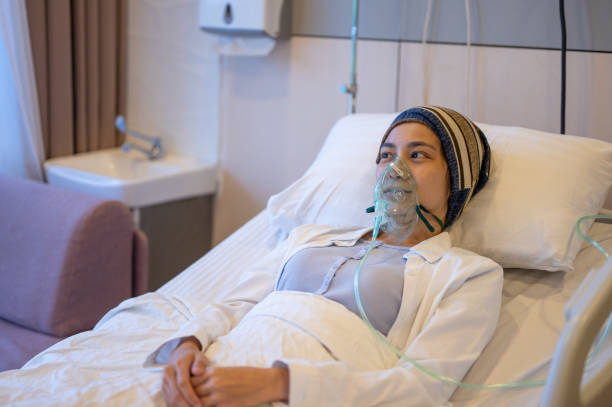
Understanding Oxygen Deprivation and Its Consequences
Oxygen deprivation—also known as hypoxia or anoxia—occurs when the brain or other vital organs do not receive enough oxygen to function properly. In medical settings, this condition can develop rapidly and cause devastating, irreversible harm within minutes. The tragedy is that most cases of oxygen deprivation are entirely preventable.
At Buckeye Law Group, our attorneys have represented patients and families whose lives were forever changed by medical negligence that led to brain injury, paralysis, or death. When healthcare professionals fail to provide timely intervention, the results can be catastrophic.
How Oxygen Deprivation Happens in Hospitals
There are several scenarios in which medical negligence can lead to oxygen deprivation, including:
- Anesthesia errors during surgery that interrupt oxygen flow.
- Improper intubation or failure to monitor breathing.
- Negligent response to cardiac arrest or respiratory failure.
- Delayed C-section in childbirth when a baby shows signs of fetal distress.
- Malfunctioning or disconnected oxygen equipment left unnoticed by medical staff.
In many of these cases, simple protocols—such as checking airway placement, monitoring oxygen saturation, or recognizing abnormal vital signs—could have prevented harm.
The Devastating Effects of Oxygen Loss
Even a short period of oxygen deprivation can lead to severe, long-term consequences, including:
- Permanent brain damage
- Cognitive impairment and memory loss
- Motor function disorders such as cerebral palsy
- Coma or persistent vegetative state
- Death in extreme cases
Patients who survive often require lifelong care, rehabilitation, and adaptive equipment, placing a massive emotional and financial burden on families.
Proving Medical Negligence in Oxygen Deprivation Cases
To hold a hospital or physician accountable, your attorney must demonstrate that:
- The healthcare provider owed a duty of care.
- That duty was breached through negligent action or inaction.
- The breach directly caused oxygen deprivation.
- The patient suffered verifiable harm as a result.
Expert testimony, hospital records, and data from monitoring equipment often play a critical role in proving negligence.
Taking Legal Action for Justice and Compensation
Victims of medical negligence may be entitled to compensation for:
- Medical expenses (current and future)
- Salarios perdidos y pérdida de capacidad de generar ingresos
- Dolor y sufrimiento
- Pérdida del disfrute de la vida
- Wrongful death damages for families who’ve lost a loved one
At Buckeye Law Group, we know the stakes are high. Our attorneys conduct thorough investigations, consult with medical experts, and fight for the maximum compensation possible for victims of preventable oxygen deprivation injuries.
👉 Póngase en contacto con Buckeye Law Group hoy mismo para una consulta gratuita.