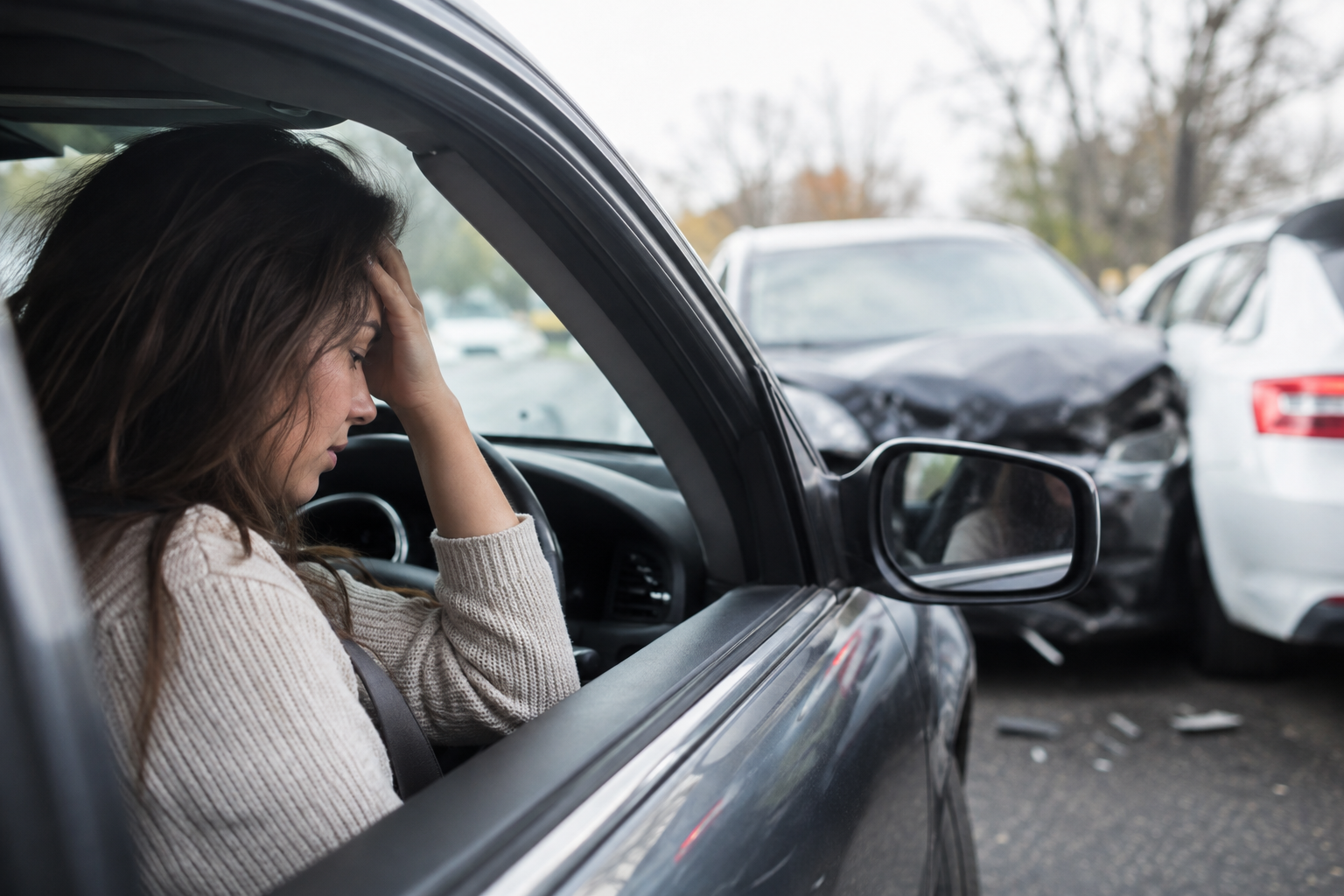
A Columbus car accident can cause more than physical injuries. The psychological effects of a serious collision may persist long after visible injuries have healed. Individuals may experience recurring nightmares, panic attacks, anxiety, sleep disturbances, or an overwhelming fear of driving. When these symptoms interfere with employment, personal relationships, or daily activities, they may indicate post-traumatic stress disorder (PTSD), a condition that requires evaluation by a qualified healthcare professional.
Under Ohio law, individuals who develop PTSD following a collision caused by another party’s negligence may be entitled to pursue compensation for related psychological injuries. Recoverable damages may include mental health treatment expenses, lost income, and emotional suffering, depending on the circumstances. However, establishing a claim requires more than reporting symptoms. Medical records, mental health evaluations, treatment documentation, and evidence connecting the condition to the collision can help establish the nature and extent of the injury. An experienced Columbus car accident attorney can evaluate this evidence, identify potential insurance coverage, and explain how Ohio personal injury law applies to PTSD-related damages.
Call (614) 482-3793 or request a free consultation to speak with a Columbus car accident attorney at Buckeye Law Group.
Can You Receive Compensation for PTSD After a Columbus Car Accident?
Yes. PTSD may be compensable after a Columbus car accident when another party’s legally responsible conduct caused or aggravated the condition. Recovery depends on liability, the nature of the injury, medical evidence, and applicable Ohio law. Psychological injuries are not visible on an X-ray, but they can be substantial. Fear alone does not establish a claim. Medical assessments and documented limitations help demonstrate lasting injury. Ohio applies different legal standards depending on whether the claimant also sustained physical injuries.
Understanding PTSD Symptoms After a Car Accident
According to the National Institute of Mental Health, PTSD can arise after exposure to a traumatic event. Symptoms generally last longer than one month, affect daily functioning, and require evaluation by a qualified mental health professional. Symptoms may include:
- Intrusive Memories: Unwanted recollections, flashbacks, or recurring nightmares about the crash.
- Avoidance: Refusing to drive, ride in vehicles, or travel near the collision site.
- Heightened Alertness: Irritability, exaggerated startle responses, difficulty concentrating, or persistent anxiety.
- Changes in Mood: Fear, guilt, emotional withdrawal, or diminished interest in familiar activities.
- Sleep Difficulties: Insomnia or interrupted sleep that affects health and daily responsibilities.
Consider someone injured in a car accident on Interstate 70 near downtown Columbus. After returning home, that individual may experience anxiety when approaching busy interchanges, avoid highway driving, or become distressed by traffic noises that remind them of the collision. Other symptoms may include recurring memories of the accident, difficulty sleeping, heightened alertness, or trouble concentrating.
These reactions can occur after a traumatic experience, but they do not automatically indicate post-traumatic stress disorder (PTSD). Symptoms may develop shortly after a collision or become noticeable weeks or months later. A qualified healthcare professional can evaluate their severity, duration, and effect on daily functioning. Individuals experiencing persistent emotional distress should seek medical or mental health care. Documenting when symptoms began, how frequently they occur, and how they affect work, driving, and daily activities can also provide important information when evaluating a potential Columbus car accident injury claim.
How Ohio Law Addresses Emotional Trauma From Car Accidents
Ohio recognizes mental anguish as a form of noneconomic loss under Ohio Revised Code § 2315.18. Compensable harm may include emotional distress and reduced enjoyment of life. A physical injury is not required in every emotional distress case. In Schultz v. Barberton Glass Co., the Supreme Court of Ohio recognized a potential claim for serious emotional distress following a frightening highway incident without a simultaneous physical injury. Such claims have additional requirements involving the danger encountered, the severity of distress, and the crash circumstances.
When a person also sustains physical injuries, Ohio courts have recognized different standards for associated emotional harm. A Columbus car accident lawyer should evaluate which legal theory applies rather than assuming all PTSD claims are treated identically. Statutory limits apply to certain noneconomic damages, with exceptions. Economic losses are treated differently. A diagnosis alone does not establish settlement value.

What Compensation May Be Available for Car Accident-Related PTSD?
Potentially recoverable losses include:
- Mental Health Treatment: Psychological evaluations, trauma-focused therapy, psychiatric appointments, and prescribed medication.
- Related Medical Expenses: Care for physical injuries, rehabilitation, and treatment connected to the collision.
- Lost Earnings: Time away from work for symptoms, appointments, or recovery, supported by employment records.
- Reduced Earning Capacity: Longer-term limitations affecting job performance or the ability to maintain previous employment.
- Documented Expenses: Reasonable transportation or other out-of-pocket costs attributable to necessary care.
- Mental Anguish and Diminished Quality of Life: Persistent fear, disrupted sleep, reduced independence, and limitations on meaningful activities.
Future treatment may also be considered when medically supported. Keep bills, wage records, and treatment recommendations organized and in one spot.
What Evidence Helps Prove PTSD After a Columbus Crash?
A claim should explain when symptoms began, how the collision contributed, and what changed. Evidence includes:
- Medical Evaluations and Diagnoses: A qualified provider can assess symptoms, identify appropriate treatment, and consider other possible causes.
- Treatment History: Appointment records, recommendations, medications, and progress notes can establish the course of care.
- A Factual Symptom Journal: Record nightmares, driving difficulties, panic episodes, sleep problems, and missed responsibilities without exaggeration.
- Crash Documentation: Police reports, photographs, witness accounts, dashcam recordings, and roadway evidence can help establish what occurred.
- Employment Information: Wage statements, attendance records, and workplace accommodations can help demonstrate financial and functional consequences.
- Observations from Others: Family members or coworkers may describe meaningful changes they personally witnessed.
Recovery is not always linear. Discuss changing symptoms openly with your provider as they appear.
How Much Is a PTSD Car Accident Claim Worth in Ohio?
There is no dependable average PTSD car accident settlement. Similar collisions can produce different consequences. Value depends on symptom severity, duration, employment impact, medical opinions, treatment needs, fault disputes, and insurance coverage. Under Ohio Revised Code § 2315.33, a claimant’s recovery can be reduced by their percentage of fault. Recovery may be barred when the claimant is more than 50% at fault under the applicable comparative-fault rules.
Pre-existing anxiety does not automatically bar recovery if the crash materially worsened the condition. Insurance also deserves careful review. If the at-fault driver carries limited coverage, uninsured/underinsured motorist (UM/UIM) benefits under an applicable policy may be relevant. Medical payments (MedPay) coverage may help pay eligible treatment expenses, depending on policy terms. Neither coverage automatically pays PTSD damages. Review the policy and documentation before assuming benefits are available.
Why Insurance Companies May Dispute Psychological Injury Claims
Insurers may question when symptoms began, other contributing events, or whether records support claimed limitations. Delayed care, inconsistent accounts, and social media posts may be disputed. Explain when symptoms began and why treatment started later. Describe actual limitations accurately rather than making assumptions about your diagnosis.
Columbus-Specific Evidence and Crash Report Resources
A collision on I-71, I-270, State Route 315, or an intersection along Broad Street may involve different witnesses, roadway features, and investigating agencies. Record the exact location, direction of travel, lane, nearby landmarks, and any traffic signals or construction conditions relevant to the crash.
For an investigation conducted by the Columbus Division of Police, electronic crash reports can be retrieved through the Ohio Department of Public Safety after submission and acceptance. The city’s Find an Accident Report page explains the process. If another agency investigated, contact that agency for the appropriate records. Preserve dashcam recordings and identify nearby security cameras promptly. Crash evidence establishes circumstances; medical records help connect PTSD to the event. Keep the crash report number, the investigating agency’s name, and photographs of relevant traffic controls. If emergency treatment initially focused on physical injuries, tell follow-up providers about emerging psychological symptoms. Describe when they started and how they affect your activities.
Steps to Take if You Experience Emotional Trauma After a Collision
- Seek a Professional Assessment: Describe nightmares, anxiety, driving avoidance, or other symptoms to a medical or mental health provider.
- Follow an Appropriate Treatment Plan: Evidence-based PTSD treatments include certain trauma-focused psychotherapies. Discuss options with a qualified clinician.
- Preserve Records: Save crash documentation, treatment bills, prescriptions, appointment summaries, and communications with insurers.
- Track Functional Changes: Note specific effects on commuting, childcare, work, sleep, and relationships.
- Consider Legal Guidance Before Settling: An early settlement may not account for continuing treatment or future losses.
Prioritize recovery over claim documentation.
How Long Do You Have to File a PTSD-Related Car Accident Lawsuit?
Under Ohio Revised Code § 2305.10, many Ohio motor vehicle bodily-injury lawsuits must be filed within two years after the cause of action accrues. Different causes of action, defendants, and circumstances can change applicable deadlines. Do not assume the clock starts at PTSD diagnosis. Early review helps preserve evidence.
Columbus and Franklin County Mental Health Resources
Columbus-area residents can discuss symptoms with their primary care provider or a licensed mental health professional. The ADAMH Board of Franklin County provides information about local behavioral health providers and services. The National Center for PTSD also explains evidence-based treatment options, including cognitive processing therapy, prolonged exposure, and EMDR. These resources do not replace legal advice.
Frequently Asked Questions About PTSD After a Columbus Car Accident
- Can I recover compensation for PTSD without physical injuries? Potentially. Ohio recognizes some claims for serious psychological harm without simultaneous physical injury. However, the legal requirements differ from those in claims involving physical injuries. Whether the claimant faced actual danger and how severe the distress became can be important.
- Do I need an official PTSD diagnosis before contacting a lawyer? No. You can discuss your legal options while seeking an assessment. However, a qualified diagnosis and appropriate records can be important when establishing the nature, cause, and impact of the injury. A lawyer cannot diagnose PTSD.
- Can PTSD symptoms appear weeks after a crash? Yes. Trauma-related symptoms can emerge or become more noticeable after the initial event. Tell your provider when each symptom began, how often it occurs, and whether it affects work, sleep, transportation, or relationships.
- Will a pre-existing anxiety condition prevent compensation? Not automatically. The issue may be whether the crash caused an identifiable worsening of a prior condition. Previous records and post-crash evaluations can help distinguish pre-existing symptoms from new or aggravated harm.
- Should I accept an insurer’s first settlement offer? Not without understanding what it covers. Review documented losses, ongoing treatment recommendations, potential future care, and the legal consequences of signing a release. Settlement agreements may permanently resolve claims arising from the accident.
Speak With a Columbus Car Accident Lawyer at Buckeye Law Group
Emotional trauma following a car accident can have lasting effects on a person’s mental health, relationships, and overall quality of life. These injuries deserve the same careful consideration as physical injuries, particularly when symptoms of post-traumatic stress disorder (PTSD) interfere with daily activities. At Buckeye Law Group, our experienced Columbus car accident attorneys understand the importance of evaluating both the physical and psychological consequences of a collision. Our legal team can review medical documentation, investigate the circumstances surrounding the accident, explain your rights under Ohio law, and determine whether PTSD-related damages may be included in your personal injury claim. If you are experiencing emotional distress following a Columbus car accident, contact Buckeye Law Group for a free consultation to discuss your legal options and potential compensation.
Call (614) 482-3793 or request a free consultation to speak with a Columbus car accident attorney at Buckeye Law Group today.
*This article provides general educational information, not legal or medical advice. Reading it or contacting Buckeye Law Group does not, by itself, create an attorney-client relationship. PTSD diagnosis and treatment require qualified clinical guidance. Filing deadlines and available damages depend on individual circumstances. Every case is different, and prior results do not guarantee a similar outcome.*
PTSD After a Columbus Car Accident: Can Psychological Injuries Support Compensation?
A Columbus car accident can cause more than physical injuries. The psychological effects of a serious collision may persist long after visible injuries have healed. Individuals may experience recurring nightmares,
Can You Recover Compensation After a Motorcycle Accident in Dayton if You Were Not Wearing a Helmet?
A missing helmet does not automatically prevent an injured rider from seeking compensation after a motorcycle crash in Dayton. Ohio law looks at who caused the collision, whether the rider
Who Can File a Wrongful Death Lawsuit in Toledo, Ohio?
When someone dies as a result of another person’s negligence, recklessness, or wrongful conduct, Ohio law may allow surviving family members to seek compensation through a civil claim known as
Who Is Liable After a Commercial Truck Accident on I-75 Near Dayton?
A commercial truck crash on I-75 near Dayton can involve more than one responsible party. The driver may be part of the story, but truck accident liability often turns on
What Happens When a Pedestrian Is Hit by a Car in Downtown Dayton?
When a pedestrian is hit by a car in downtown Dayton, the first priorities are medical care, safety, and creating a clear record of what happened. After the scene is
How Do You Prove a Slip and Fall Injury Claim in Dayton, Ohio?
A slip and fall injury claim in Dayton, Ohio, usually comes down to evidence: what dangerous condition caused the fall, who was responsible for the property, whether they knew or
What Are Common Signs of Medical Malpractice in Toledo Hospitals?
Medical malpractice can be difficult to recognize because poor outcomes sometimes happen even when doctors, nurses, and hospitals do everything right. Still, certain warning signs may suggest that a preventable
How an Ohio car accident lawyer helps negotiate with insurance companies
After a crash, the insurance process can feel like a second accident: confusing, stressful, and full of pressure to make quick decisions. Understanding how an Ohio car accident lawyer helps
What Evidence is Needed After a Commercial Truck Accident in Akron, Ohio?
After a commercial truck crash in Akron, the strongest claim is usually built from evidence gathered quickly, preserved properly, and connected to the real cause of the collision. Useful evidence
Most dangerous roads and intersections in Akron, Ohio
Akron has plenty of everyday driving pinch points: quick merges, busy arterials, short downtown blocks, and neighborhood streets where drivers, walkers, and cyclists all share a common space. The latest

Buckeye Law Group represents people injured in auto accidents, slip and falls, workplace accidents and more in Ohio. Contact us today to learn more.
© 2026 Todos los derechos reservados | The Buckeye Law Group Inc. Políticade privacidad Mapa del sitio
Ubicaciones de las oficinas
- Akron Office 388 S Main St #400 Akron, OH 44311 (330) 426-0288
- Cincinnati Office 201 E 5th St Ste 1910 Cincinnati, OH 45202 (513) 547-2445
- Cleveland Office 127 Public Square Ste 1540 Cleveland, OH 44114 (216) 677-5490
- Columbus Office 20 E Broad St Suite 300 Columbus, OH 43215 (614) 482-3793
- Dayton Office 70 Birch Alley Ste 240 Dayton, OH 45440 (937) 884-4474
- Euclid Office 25701 N Lakeland Blvd Suite 113-C, Cleveland, OH 44132 (216) 405-2626
- Mansfield Office 305 E Main St Ste 6A, Mansfield, OH 44904 (567) 210-2606
- Findlay Office 7430 Timberstone Dr unit 101a, Findlay, OH 45840 419-873-5119
- Mentor Office 7537 Mentor Ave Ste 101, Mentor, OH 44060 (440) 306-3536
- Middletown Office 300 N Main St #400, Middletown, OH 45042 (326) 800-9150
- Parma Office 1257 Rockside Rd #A, Parma, OH 44131 (216) 279-1664
- Springfield Office 2100 E High St Ste TL3, Springfield, OH 45505 (937) 806-5791
- Toledo Office 3950 Sunforest Ct Ste 200, Toledo, OH 43623 (567) 483-3883
- Westlake Office 26404 Center Ridge Rd Ste B2, Westlake, OH 44145 216-247-0565
- Whitehall Office 5340 E Main St Ste 203, Whitehall, OH 43213 (380) 257-5206
- Youngstown Office 306 Churchill Hubbard Rd, Youngstown, OH 44505 (234) 225-0683
Contáctenos
© 2026 Todos los derechos reservados | The Buckeye Law Group Inc. Políticade privacidad Mapa del sitio