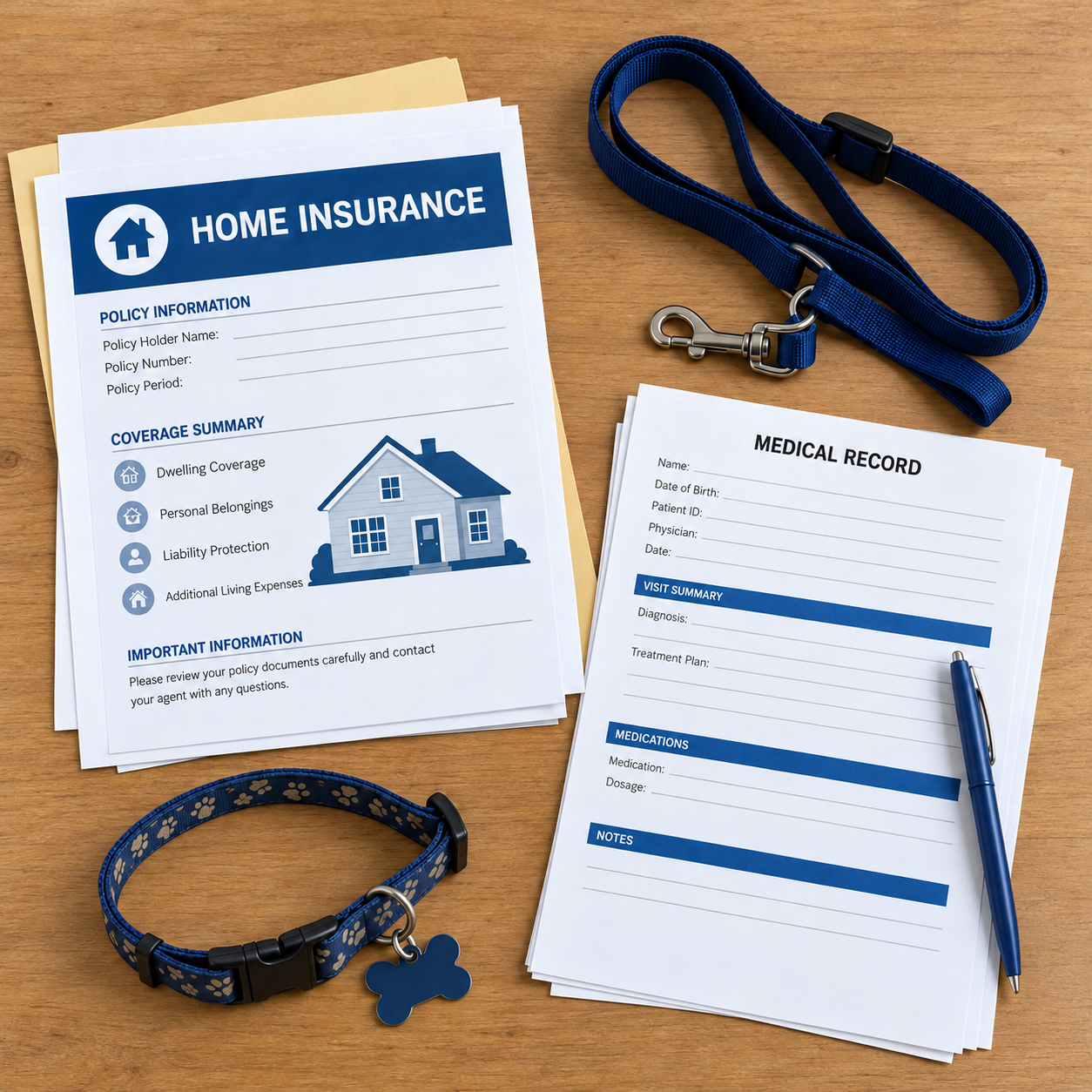
Homeowners insurance often provides coverage for dog bite injuries in Cincinnati, Ohio. However, coverage is not guaranteed. Whether an insurance policy covers a particular incident depends on its liability provisions, exclusions, coverage limits, and the circumstances surrounding the attack. Some policies also provide limited medical payments coverage, while others contain exclusions that may restrict compensation. Under Ohio Revised Code § 955.28(B), a dog’s owner, keeper, or harborer may be held liable for injuries caused by the animal, subject to certain statutory exceptions. However, establishing legal liability does not automatically establish insurance coverage.
This guide explains how homeowners insurance may apply to dog bite claims in Cincinnati, what evidence injured individuals should preserve, and how a Cincinnati dog bite attorney may help evaluate available insurance coverage and protect their legal rights.
Call (513) 547-2445 or request a free consultation to speak with a Cincinnati dog bite attorney at Buckeye Law Group today.
Will a homeowner policy pay for a dog bite claim?
A homeowner policy may pay for a dog bite claim when the insured dog owner is legally responsible and the policy does not exclude the animal, the breed, the location, or the incident. Standard homeowners insurance generally includes liability protection for injuries to others, and insurance industry guidance recognizes that homeowners policies may include coverage when a pet causes injury, such as a dog bite.
That does not mean every claim is automatically covered. Homeowner policies can contain animal liability exclusions, breed restrictions, prior-bite exclusions, lower sublimits, or requirements that the owner disclose the dog. Some insurers may also treat a “dangerous” or “vicious” dog differently, especially if the owner knew the animal had aggressive tendencies or a previous bite history.
In a typical Cincinnati dog bite insurance situation, the injured person is not suing the insurance company first. The claim is usually against the dog’s owner, keeper, or other legally responsible person, and liability insurance may then provide a defense and pay a settlement or judgment up to policy limits.
Ohio dog bite law shapes the insurance claim
Ohio law is important because insurance coverage usually follows legal responsibility. Under Ohio Revised Code Section 955.28, an owner, keeper, or harborer of a dog can be liable for injury, death, or loss caused by the dog, with limited exceptions such as trespassing, certain criminal acts, or teasing, tormenting, or abusing the dog.
For an injured person, this can make dog bite claims different from many other injury cases. The core question is often not whether the dog had bitten someone before, but whether the dog caused the injury and whether one of the statutory defenses applies. A Cincinnati dog bite attorney can evaluate these circumstances, identify potentially applicable insurance coverage, and explain the legal options available to injured individuals.
Ohio also has separate rules for dogs classified as dangerous or vicious. Chapter 955 requires owners, keepers, or harborers of dangerous or vicious dogs to maintain liability insurance of at least $100,000 for covered bodily injury or death caused by the dog. This requirement does not guarantee that a particular policy will pay your claim, but it may be a key issue when the dog had a known history.
What homeowners insurance may cover after a dog bite
When coverage applies, homeowners insurance may respond to several categories of loss. The exact benefits depend on the policy, the injury, and the available limits. Commonly disputed or covered items may include:
- Emergency Medical Care: Ambulance transport, emergency room treatment, wound cleaning, stitches, infection care, or rabies-related evaluation.
- Follow-Up Treatment: Specialist visits, scar care, physical therapy, hand therapy, or surgery when the bite affects function or appearance.
- Lost Income: Time missed from work, reduced earning capacity, or missed business opportunities if supported by documentation.
- Pain, Trauma, and Scarring: Dog attacks can leave lasting physical and emotional effects, especially for children or bites to the face, hands, arms, or legs.
- Defense Costs for the Insured: Liability insurance often pays for the insured homeowner’s legal defense, which is separate from the injured person’s damages.
- Medical Payments Coverage: Some policies include no-fault medical payments coverage for smaller medical bills, even before full liability is resolved. Triple-I describes homeowners policies as commonly including no-fault medical coverage for visitors injured at the home.
The difference between medical payments coverage and liability coverage matters. Medical payments coverage is usually limited and may not compensate the full impact of a serious injury. Liability insurance is the part of the policy more likely to address broader damages, but it usually requires proving legal responsibility and damages.
Coverage problems that can reduce or deny payment
Insurance companies do not simply write checks because a bite happened. They investigate whether the policy was active, whether the dog was covered, whether the insured qualifies for protection, and whether the injured person’s version of events is supported. Potential coverage issues include:
- Animal Exclusions: Some homeowner policies exclude all dog bites or injuries caused by certain animals.
- Breed or History Restrictions: Some insurers limit coverage for specific breeds or for dogs with prior incidents.
- Business-Use Questions: If the bite happened during pet sitting, breeding, boarding, delivery activity, or another business-related setting, the insurer may argue a homeowners policy does not apply.
- Location Disputes: A bite at the dog owner’s home may be treated differently from a bite at a park, sidewalk, apartment complex, or another person’s house.
- Who Owned or Controlled the Dog: Coverage may depend on whether the insured was the owner, keeper, temporary caretaker, landlord, property owner, or merely present.
- Policy Limits: Even when coverage applies, the insurer may not owe more than the available liability insurance limit.
This is why local Ohio dog bite injury attorneys often look beyond the first policy mentioned. Renters insurance, umbrella coverage, pet liability coverage, or separate dog bite insurance may also be relevant. In some cases, there may be no practical insurance source, which can affect case strategy.
When premises liability becomes part of the case
Dog bite cases sometimes overlap with premises liability, especially when the attack happens at an apartment building, rental home, business, or another property the dog owner does not own. A Cincinnati premises liability attorney may examine who controlled the property, who controlled the dog, whether prior complaints existed, and whether the property owner had any legal duty to act.
Ohio law in this area can be fact-specific. In 2026, the Supreme Court of Ohio discussed the meaning of “harborer” in a dog bite case and noted that merely permitting a dog on property is different from sheltering, protecting, or exercising control over the dog itself. That distinction can matter when an injured person is trying to determine whether a landlord, business, or homeowner may be responsible.
For example, a landlord who only owns the building may not be treated the same as someone who feeds, keeps, restrains, or controls the dog. A store owner who allows a customer’s dog inside may present different questions than a homeowner hosting a guest’s dog for a weekend. These details can influence both liability and insurance coverage.
Steps to take after a Cincinnati dog bite
Following a dog bite incident, obtaining prompt medical attention should be your first priority. Once your immediate medical needs have been addressed, take reasonable steps to preserve evidence and document the circumstances surrounding the attack. This information may be important when reporting the incident to local health authorities, evaluating available insurance coverage, and pursuing compensation under Ohio law. The following checklist outlines practical steps to help protect your health, document your injuries, and preserve your legal rights:
- Get medical attention quickly, even if the wound seems manageable at first.
- Report the bite to the proper local health authority. Hamilton County Public Health says mammal bites and scratches must be reported to the local health district, even if the animal is a family pet with current rabies shots; Cincinnati’s health FAQ directs dog bite reporting through 311 or (513) 765-1212 from outside the city.
- Ask for the dog owner’s name, address, phone number, and insurance information. If the owner refuses, write down what you know.
- Photograph injuries, torn clothing, the location, gates, leashes, warning signs, and visible hazards. Take new photos as bruising, swelling, infection, or scarring develops.
- Identify witnesses. Neighbors, delivery drivers, guests, or bystanders may remember whether the dog was loose, aggressive, or unrestrained.
- Do not give a recorded statement without understanding the claim. Insurance adjusters may ask questions designed to raise defenses, minimize injuries, or shift blame.
- Keep every bill and record. Save discharge papers, prescriptions, mileage, missed-work notes, and messages with the dog owner.
Hamilton County rules also provide for quarantine and observation after reported dog or cat bites, including a quarantine period of at least 10 days from the bite date in the county code. Reporting is not just paperwork; it helps create a public health record and may help document the incident.
Cincinnati Dog Bite Victim Resources and Local Support
A dog bite can leave injured individuals and families facing medical concerns, unexpected expenses, and questions about reporting requirements. Fortunately, Cincinnati and Hamilton County offer resources to help residents obtain medical attention, report dangerous animals, and understand public health procedures.
Whether an attack occurs in Hyde Park, Westwood, Clifton, Over-the-Rhine, or another Cincinnati neighborhood, knowing which local agency to contact can help protect your health and preserve important information about the incident.
Cincinnati Health Department: Animal Bite Reporting
The Cincinnati Health Department handles animal bite reports within Cincinnati city limits. Individuals can report incidents through Cincinnati’s 311 system or contact Technical Environmental Services at (513) 352-2922. Reporting helps public health officials investigate possible rabies exposure and obtain information about the animal’s vaccination status.
Hamilton County Public Health: Rabies and Animal Bite Assistance
For incidents within Hamilton County but outside Cincinnati, Norwood, and Springdale, residents can contact Hamilton County Public Health at (513) 946-7800. The department tracks animal bites, provides rabies information, and oversees relevant quarantine procedures. Injured individuals should report qualifying animal bites even when the animal’s vaccinations are current.
Cincinnati Animal CARE: Animal Control and Public Safety
Cincinnati Animal CARE provides animal control services throughout Hamilton County, including assistance with unsafe animals and stray dogs. Residents can contact the agency at (513) 541-7387.
The organization also offers information about dog bite incidents and the Hamilton County Dog Wardens. Animal control assistance does not replace the required report to the appropriate health department.
Cincinnati Children’s: Medical Resources for Injured Children
Children injured in dog attacks may require emergency treatment, follow-up appointments, or specialized evaluation, depending on the severity of their injuries. Cincinnati Children’s provides 24-hour pediatric emergency care at its Burnet Campus, with an emergency department entrance at 3401 Burnet Avenue, Cincinnati, OH 45229.
Families can contact the emergency department at (513) 636-4200. Serious or life-threatening injuries require immediate emergency attention.
Documenting Your Cincinnati Dog Bite Injury and Insurance Claim
After obtaining medical attention and reporting the incident, injured individuals should retain copies of medical records, photographs, animal control reports, and communications with the dog owner. These records may help establish when and where the attack occurred, identify potentially responsible parties, and support an insurance claim. A Cincinnati dog bite attorney can also evaluate whether homeowners insurance, renters insurance, or another liability policy may provide applicable coverage.
How a Cincinnati Dog Bite Attorney Can Help With Homeowners Insurance Claims
A Cincinnati dog bite attorney can help identify insurance, present damages clearly, and respond when an insurer denies or undervalues the claim. This can be especially important when the injury involves a child, facial scarring, nerve damage, infection, surgery, permanent marks, or a dog with a known history. A local Ohio attorney may:
- Request and review relevant homeowner policies, renters policies, umbrella policies, and pet liability coverage.
- Investigate whether the dog was classified as dangerous or vicious.
- Gather medical records, photographs, witness statements, and animal control or health department reports.
- Address arguments about provocation, trespassing, comparative fault, or lack of coverage.
- Calculate damages beyond the first medical bill, including future care and lasting impairment.
- Negotiate with the insurer or file a lawsuit when settlement is not reasonable.
An experienced Cincinnati dog bite attorney should understand Ohio’s dog bite liability laws and the insurance coverage issues that may influence settlement negotiations. Although insurance coverage does not determine legal liability, it can significantly affect the compensation available and the practical ability to recover damages.
The main takeaway
Homeowners insurance may cover dog bite injuries in Cincinnati, but coverage depends on the policy, the dog’s history, the location of the attack, and who had legal responsibility for the animal. Ohio law can give injured individuals a strong path to pursue dog bite claims, yet exclusions and insurance disputes can complicate recovery.
If you were bitten, get medical care, report the incident, document everything, and do not assume the dog owner’s insurer will explain your rights. A consultation with experienced dog bite injury attorneys can help you understand whether homeowners insurance, dog bite insurance, pet liability coverage, or another source of liability insurance may apply.
Call (513) 547-2445 or request a free consultation today to speak with a Cincinnati dog bite attorney at Buckeye Law Group.
*This article provides general information about how a Cincinnati dog bite attorney may assist injured individuals with injury claims, insurance negotiations, and legal matters following a dog attack in Cincinnati, Ohio. It is intended for educational purposes only and does not constitute legal advice. Reading this article or contacting Buckeye Law Group does not, by itself, establish an attorney-client relationship. Dog bite claims in Cincinnati and throughout Hamilton County may involve disputed liability, insurance coverage, medical expenses, lost income, permanent scarring, emotional trauma, and applicable filing deadlines. Under Ohio Revised Code § 955.28(B), dog owners, keepers, or harborers may be held strictly liable for injuries caused by their dogs, subject to statutory exceptions. Relevant evidence may include medical records, injury photographs, witness statements, and animal control reports. A Cincinnati dog bite attorney may help injured individuals understand their rights, evaluate potential compensation, and navigate insurance disputes under Ohio law. Every case is different, and prior results do not guarantee a similar outcome.*
Does Homeowners Insurance Cover Dog Bite Injuries in Cincinnati?
Homeowners insurance often provides coverage for dog bite injuries in Cincinnati, Ohio. However, coverage is not guaranteed. Whether an insurance policy covers a particular incident depends on its liability provisions,
Who Is Responsible for a Multi-Vehicle Car Accident on I-480 Near Cleveland?
A multi-vehicle crash on I-480 can feel chaotic from the first second: traffic stops, drivers swerve, several insurers get involved, and everyone has a different version of what happened. Responsibility
How to prove liability in a Toledo slip and fall accident
How to prove liability in a Toledo slip and fall accident comes down to evidence: what caused the fall, who controlled the property, what they knew or should have known,
How Long Does a Car Accident Settlement Take in Toledo Ohio?
If you were hurt in a crash in Toledo, the settlement timeline depends on the injury, the insurance coverage, the evidence, and whether the insurer accepts responsibility. A straightforward claim
PTSD After a Columbus Car Accident: Can Psychological Injuries Support Compensation?
A Columbus car accident can cause more than physical injuries. The psychological effects of a serious collision may persist long after visible injuries have healed. Individuals may experience recurring nightmares,
Can You Recover Compensation After a Motorcycle Accident in Dayton if You Were Not Wearing a Helmet?
A missing helmet does not automatically prevent an injured rider from seeking compensation after a motorcycle crash in Dayton. Ohio law looks at who caused the collision, whether the rider
Who Can File a Wrongful Death Lawsuit in Toledo, Ohio?
When someone dies as a result of another person’s negligence, recklessness, or wrongful conduct, Ohio law may allow surviving family members to seek compensation through a civil claim known as
Who Is Liable After a Commercial Truck Accident on I-75 Near Dayton?
A commercial truck crash on I-75 near Dayton can involve more than one responsible party. The driver may be part of the story, but truck accident liability often turns on
What Happens When a Pedestrian Is Hit by a Car in Downtown Dayton?
When a pedestrian is hit by a car in downtown Dayton, the first priorities are medical care, safety, and creating a clear record of what happened. After the scene is
How Do You Prove a Slip and Fall Injury Claim in Dayton, Ohio?
A slip and fall injury claim in Dayton, Ohio, usually comes down to evidence: what dangerous condition caused the fall, who was responsible for the property, whether they knew or
Buckeye Law Group represents people injured in auto accidents, slip and falls, workplace accidents and more in Ohio. Contact us today to learn more.
© 2026 Todos los derechos reservados | The Buckeye Law Group Inc. Políticade privacidad Mapa del sitio
Ubicaciones de las oficinas
- Akron Office 388 S Main St #400 Akron, OH 44311 (330) 426-0288
- Cincinnati Office 201 E 5th St Ste 1910 Cincinnati, OH 45202 (513) 547-2445
- Cleveland Office 127 Public Square Ste 1540 Cleveland, OH 44114 (216) 677-5490
- Columbus Office 20 E Broad St Suite 300 Columbus, OH 43215 (614) 482-3793
- Dayton Office 70 Birch Alley Ste 240 Dayton, OH 45440 (937) 884-4474
- Euclid Office 25701 N Lakeland Blvd Suite 113-C, Cleveland, OH 44132 (216) 405-2626
- Mansfield Office 305 E Main St Ste 6A, Mansfield, OH 44904 (567) 210-2606
- Findlay Office 7430 Timberstone Dr unit 101a, Findlay, OH 45840 419-873-5119
- Mentor Office 7537 Mentor Ave Ste 101, Mentor, OH 44060 (440) 306-3536
- Middletown Office 300 N Main St #400, Middletown, OH 45042 (326) 800-9150
- Parma Office 1257 Rockside Rd #A, Parma, OH 44131 (216) 279-1664
- Springfield Office 2100 E High St Ste TL3, Springfield, OH 45505 (937) 806-5791
- Toledo Office 3950 Sunforest Ct Ste 200, Toledo, OH 43623 (567) 483-3883
- Westlake Office 26404 Center Ridge Rd Ste B2, Westlake, OH 44145 216-247-0565
- Whitehall Office 5340 E Main St Ste 203, Whitehall, OH 43213 (380) 257-5206
- Youngstown Office 306 Churchill Hubbard Rd, Youngstown, OH 44505 (234) 225-0683
Contáctenos
© 2026 Todos los derechos reservados | The Buckeye Law Group Inc. Políticade privacidad Mapa del sitio