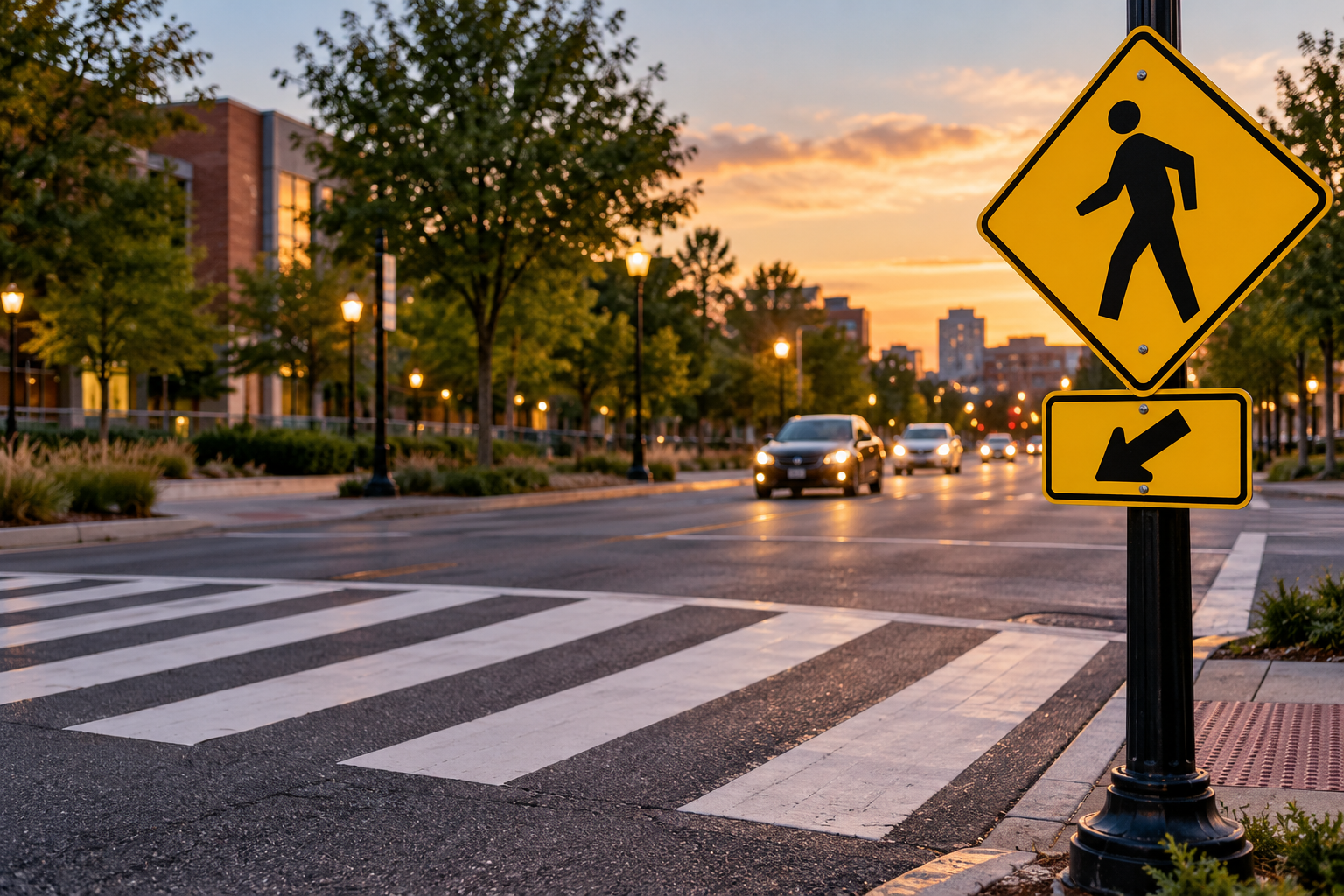
Halloween weekend brings students, residents, and visitors throughout Columbus, particularly around The Ohio State University and the surrounding University District. As people travel between campus, restaurants, residential neighborhoods, and entertainment destinations, pedestrian safety becomes especially important. Busy intersections, nighttime travel, distracted driving, and impaired motorists can increase the likelihood of pedestrian collisions. North High Street and surrounding campus roads require particular attention where pedestrian and vehicle traffic intersect.
Ohio law provides pedestrians with important protections, but understanding crosswalk regulations, traffic signals, and driver responsibilities is essential. For individuals injured in a pedestrian accident, knowing how to obtain medical care, preserve evidence, and protect their legal rights can also make a meaningful difference.
Call (614) 482-3793 or request a free consultation today to speak with an experienced Columbus pedestrian accident attorney at Buckeye Law Group.
Why Is Halloween Pedestrian Safety Important Near Ohio State?
Halloween celebrations can increase evening pedestrian activity throughout Columbus’s University District. Large groups traveling between campus housing, local businesses, and entertainment venues may encounter heavy traffic, turning vehicles, and limited visibility.
The Ohio State University Department of Public Safety identifies High Street and certain campus roads as areas where congestion requires additional awareness. Several factors deserve consideration:
- Reduced Nighttime Visibility: Dark costumes, poorly illuminated streets, and parked vehicles can make pedestrians harder to recognize.
- Distracted Driving: Drivers navigating unfamiliar roads, checking directions, or searching for parking may overlook pedestrians.
- Impaired Motorists: Alcohol can reduce reaction time, judgment, and the ability to recognize hazards.
- Increased Turning Traffic: Vehicles entering parking facilities or collecting rideshare passengers may create additional conflicts at intersections.
Pedestrians should use designated crossings, wear reflective accessories when possible, and remain attentive to traffic. Drivers must also exercise appropriate care and adjust their driving to surrounding conditions.
What Are Ohio’s Crosswalk Laws for Pedestrians in Columbus?
Ohio’s pedestrian safety requirements are primarily established under Chapter 4511 of the Ohio Revised Code. These laws apply throughout Columbus, including areas surrounding Ohio State University.
When Must Drivers Yield to Pedestrians?
Under Ohio Revised Code §4511.46, when traffic signals are absent, not operating, or not clearly assigning right-of-way, drivers generally must yield to pedestrians within a crosswalk when the pedestrian is:
- On the half of the roadway where the vehicle is traveling.
- Approaching from the opposite half closely enough to be in danger.
Drivers may need to slow down or stop to satisfy this obligation. However, pedestrians must not suddenly step from a curb or other place of safety into the path of an approaching vehicle that is too close to stop safely. Ohio law also prohibits motorists from overtaking another vehicle that has stopped at a marked crosswalk or unmarked intersection crosswalk to permit a pedestrian to cross.
Are Unmarked Crosswalks Recognized Under Ohio Law?
Yes. Ohio law recognizes certain unmarked crosswalks at intersections even when painted lines are absent.
Under Ohio Revised Code §4511.01, crosswalks may exist where sidewalk boundaries extend across intersecting roadways. However, not every intersection automatically qualifies. Traffic-control devices, roadway configurations, and crossing restrictions must also be considered.
What Do Pedestrian Crossing Signals Mean?
Ohio Revised Code §4511.14 establishes the meaning of pedestrian signals.
| Signal | Pedestrian Responsibility |
|---|---|
| Steady Walking Person | You may begin crossing, but must yield to vehicles lawfully within the intersection when the signal first appears. |
| Flashing Raised Hand | Do not begin crossing. If you entered during the walk signal, continue to the designated far side or refuge area. |
| Steady Raised Hand | Do not enter the roadway. |
Under Ohio Revised Code §4511.13, drivers making permitted turns generally must yield to pedestrians lawfully within an associated crosswalk. A green traffic light does not eliminate a turning driver’s responsibility to yield to pedestrians with the right-of-way.
Can Pedestrians Cross Outside a Crosswalk?
Under Ohio Revised Code §4511.48, pedestrians crossing outside marked crosswalks or unmarked intersection crosswalks generally must yield to vehicles. Between adjacent intersections with operating traffic signals, pedestrians may cross only within marked crosswalks. Nevertheless, drivers retain a legal duty to exercise due care to avoid collisions with pedestrians. Crossing outside a crosswalk does not automatically eliminate an injured person’s ability to pursue compensation.
Pedestrian Safety Around Ohio State and the University District
Several streets surrounding Ohio State deserve particular awareness because they connect campus facilities, residential neighborhoods, and local businesses.
North High Street and Lane Avenue: Pedestrians should follow crossing signals and watch for vehicles turning through intersections or entering nearby businesses.
North High Street and West 15th Avenue: Individuals traveling between campus and destinations east of High Street should use designated crossings and independently verify traffic signals rather than following crowds into the roadway.
University District residential streets: Parked vehicles and driveway entrances can obstruct visibility. Drivers must watch for pedestrians using sidewalks, as required by Ohio Revised Code §4511.441. These locations are provided as geographic safety references, not as verified rankings of high-crash intersections.
Planning Transportation After Halloween Celebrations
Ohio State provides transportation programs that may help eligible students avoid unnecessary nighttime travel on foot.
- CABS On-Demand: Provides transportation between designated campus locations during published service hours.
- Lyft Ride Smart at Ohio State: Offers eligible students subsidized rides within a designated service area, subject to program conditions.
Travelers should verify current service availability, arrange transportation in advance, and avoid entering traffic to meet rideshare vehicles.
What Should You Do After a Pedestrian Accident in Columbus?
Pedestrian collisions can cause serious injuries, including fractures, head trauma, spinal injuries, and other physical complications. Following an accident, prioritizing medical care and preserving accurate documentation may help protect your health and legal options.
1. Call 911 and Seek Medical Attention
Report the collision and provide dispatchers with your location and information about injuries. Seek prompt medical evaluation when appropriate, particularly following a head impact or when neurological symptoms appear.
The Centers for Disease Control and Prevention explains that concussion symptoms may appear immediately or develop hours or days after an injury. Worsening headaches, repeated vomiting, seizures, or increasing confusion require emergency medical attention.
2. Request a Police Report
A police investigation may document important information, including driver identification, witness statements, traffic signals, and roadway conditions. Accidents occurring on university property and surrounding Columbus streets may involve different law enforcement agencies. Request the investigating agency’s report number and retain it for future reference.
3. Preserve Accident Evidence
If you can do so safely, document:
- The vehicle’s license plate and identifying information.
- Crosswalk markings, traffic signals, and street lighting.
- Visible injuries and vehicle damage.
- Witness contact information.
- Available photographs, videos, and rideshare records.
Nearby businesses or university facilities may possess surveillance footage. Because recordings may be overwritten, identifying potential evidence promptly can be important. A local Ohio attorney may assist with appropriate preservation requests when legally necessary.
4. Maintain Medical and Financial Records
Keep copies of medical evaluations, prescriptions, treatment instructions, and expenses related to the collision. Document missed work, limitations on daily activities, and other effects of your injuries. Accurate records may help establish the relationship between the accident, resulting injuries, and claimed damages.
5. Understand Your Legal Options
Before accepting an insurance settlement, consider whether your injuries, treatment needs, and documented losses have been adequately evaluated. An attorney can examine the available evidence, explain applicable Ohio laws, and help identify potential insurance coverage and filing deadlines.
Can You Recover Compensation After an Ohio Pedestrian Accident?
An injured pedestrian may pursue compensation when another party’s negligence caused legally recognized injuries and losses. Depending on the circumstances, recoverable damages may include medical expenses, lost income, rehabilitation costs, physical pain, emotional distress, and other supported losses. However, an injury alone does not establish liability. A successful claim generally requires evidence of a legal duty, breach of that duty, causation, and damages.
What If the Pedestrian Was Partially Responsible?
Ohio follows a modified comparative-fault system. Under Ohio Revised Code §2315.33, an injured person may generally recover compensatory damages when their assigned percentage of fault does not exceed 50%. Recoverable damages are reduced according to the person’s percentage of responsibility. For example, $20,000 in established compensatory damages reduced by 20% comparative fault would equal $16,000 before other applicable considerations.
This example illustrates Ohio’s comparative-fault calculation and does not predict the outcome or value of any particular claim.
What Is the Deadline for Filing a Pedestrian Accident Lawsuit?
Under Ohio Revised Code §2305.10, most Ohio personal injury lawsuits must be filed within two years after the claim accrues, generally from the injury date. Exceptions and additional procedural requirements may apply to certain cases. Insurance negotiations do not automatically extend the filing deadline. Seeking legal guidance promptly can help identify applicable requirements.
Local Columbus Pedestrian Accident Resources
The following official resources may assist Ohio State students, Columbus residents, and families following a pedestrian accident.
Ohio State University Police Division
- Emergency: 911
- Non-emergency: (614) 292-2121
- Ohio State Department of Public Safety
Columbus Division of Police
- Emergency: 911
- Non-emergency: (614) 645-4545
- Columbus Police Services
The Ohio State University Wexner Medical Center
- University Hospital: 520 W 10th Ave, Columbus, OH 43210
- Main telephone: (614) 293-8000
- University Hospital Information
Ohio Department of Public Safety
- Ohio Crash Report Search
- Online reports are informational copies. Contact the investigating agency for an official report.
Columbus Division of Police Records
Columbus 311
- Telephone: (614) 645-3111
- Submit a 311 Service Request
- Report eligible pedestrian infrastructure concerns, including certain sidewalk or street conditions.
For emergencies, always call 911.
Frequently Asked Questions About Columbus Pedestrian Accidents
- Does a Pedestrian Always Have the Right-of-Way in Ohio? No. Right-of-way depends on crossing location, signals, and traffic conditions. Drivers must follow pedestrian-yield laws, while pedestrians must comply with applicable crossing requirements.
- Can You File a Claim If You Were Hit Outside a Crosswalk? Potentially. Crossing outside a crosswalk may affect comparative fault, but it does not automatically prevent compensation. Drivers must still exercise due care to avoid pedestrians.
- What If a Driver Leaves the Scene of a Pedestrian Accident? Call 911, seek medical attention, and provide police with available identifying information. Depending on the circumstances and applicable policies, uninsured motorist coverage may also warrant investigation.
- Can College Students Recover Compensation for Accident-Related Injuries? Potentially. Eligible damages may include medical expenses, lost income, and other legally recognized losses. Missed classes may document the injury’s effects but do not automatically establish a separate recoverable financial loss.
Protecting Columbus Pedestrians This Halloween
Halloween pedestrian safety requires shared responsibility from motorists and individuals traveling on foot. Pedestrians should follow crossing signals, remain visible, and plan transportation before evening celebrations. Drivers must watch for pedestrians, avoid distractions, and obey applicable traffic laws. If a pedestrian collision occurs, obtaining medical treatment, preserving evidence, and understanding Ohio law are important steps.
At Buckeye Law Group, our Columbus personal injury attorneys help injured individuals understand their legal options following accidents involving suspected negligence. If you or a family member suffered injuries in a pedestrian accident, contact Buckeye Law Group for a free consultation to discuss your circumstances, applicable Ohio laws, and potential next steps.
Call (614) 482-3793 or request a free consultation today to speak with an experienced Columbus pedestrian accident attorney at Buckeye Law Group.
Legal Disclaimer: This article provides general educational information about Halloween pedestrian safety, Ohio traffic laws, and personal injury claims. It does not constitute legal or medical advice or establish an attorney-client relationship. Liability, compensation, and filing deadlines depend on the circumstances of each case. Consult qualified professionals for individualized guidance. Past results do not guarantee future outcomes.
Halloween Weekend 2026 in Dayton: Impaired Driving Risks, Free Rideshare Resources, and Ohio Accident Laws
Halloween weekend brings celebrations throughout Dayton, Ohio, but increased nighttime traffic, pedestrians, and alcohol-related activities also create important safety concerns. Whether you are attending an event in downtown Dayton, visiting
Halloween Pedestrian Safety Near Ohio State University: Columbus Crosswalk Laws, Accident Risks, and What to Do If You’re Injured
Halloween weekend brings students, residents, and visitors throughout Columbus, particularly around The Ohio State University and the surrounding University District. As people travel between campus, restaurants, residential neighborhoods, and entertainment
Can You Pursue Compensation for a Traumatic Brain Injury After an Ohio Car Accident?
A traumatic brain injury sustained in an Ohio car accident can have significant and lasting consequences for an individual’s health, financial stability, and quality of life. When another party’s negligence
How Long After a Car Accident Can Concussion Symptoms Appear?
A concussion can cause symptoms immediately after a crash or several hours or days later. Sometimes a person first recognizes changes in sleep, mood, concentration, or memory a week or
Not at Fault in a Columbus Car Accident? What Ohio Drivers Should Do Next
Following a car accident in Columbus, Ohio, that may have been caused by another driver’s negligence, taking appropriate steps can help protect your health, preserve important evidence, and safeguard your
Is Personal Injury Mediation Legally Binding in Ohio?
Personal injury mediation in Ohio does not automatically create a binding outcome, but a settlement reached through mediation can be legally enforceable. The distinction is between negotiating a resolution and
How to Obtain an Ohio Crash Report After an Accident in Dayton
After an accident in Dayton, start with Ohio’s Crash Retrieval system to locate a report, then contact the investigating agency if you need an official copy. The Ohio Department of
T-Bone Accidents in Columbus Ohio: Who Is at Fault and What Evidence Matters?
T-bone collisions are often among the most disputed Columbus car accidents because both drivers may tell very different stories about the same intersection. Fault usually depends on who had the
Medical Negligence in Dayton: When a Medical Error May Support an Ohio Malpractice Claim
A bad medical outcome does not always mean a provider committed malpractice, but some errors may support an Ohio medical malpractice claim. For patients and families in Dayton, the key
Fatal Cleveland Bicycle Hit-and-Run: Honoring a Life Lost and Raising Awareness About Roadway Safety
The tragic death of a bicyclist following an October 18, 2026, hit-and-run collision near West 25th Street and Detroit Avenue in Cleveland has left loved ones grieving an irreplaceable loss

Buckeye Law Group represents people injured in auto accidents, slip and falls, workplace accidents and more in Ohio. Contact us today to learn more.
© 2026 Todos los derechos reservados | The Buckeye Law Group Inc. Políticade privacidad Mapa del sitio
Ubicaciones de las oficinas
- Akron Office 388 S Main St #400 Akron, OH 44311 (330) 426-0288
- Cincinnati Office 201 E 5th St Ste 1910 Cincinnati, OH 45202 (513) 547-2445
- Cleveland Office 127 Public Square Ste 1540 Cleveland, OH 44114 (216) 677-5490
- Columbus Office 20 E Broad St Suite 300 Columbus, OH 43215 (614) 482-3793
- Dayton Office 70 Birch Alley Ste 240 Dayton, OH 45440 (937) 884-4474
- Euclid Office 25701 N Lakeland Blvd Suite 113-C, Cleveland, OH 44132 (216) 405-2626
- Mansfield Office 305 E Main St Ste 6A, Mansfield, OH 44904 (567) 210-2606
- Findlay Office 7430 Timberstone Dr unit 101a, Findlay, OH 45840 419-873-5119
- Mentor Office 7537 Mentor Ave Ste 101, Mentor, OH 44060 (440) 306-3536
- Middletown Office 300 N Main St #400, Middletown, OH 45042 (326) 800-9150
- Parma Office 1257 Rockside Rd #A, Parma, OH 44131 (216) 279-1664
- Springfield Office 2100 E High St Ste TL3, Springfield, OH 45505 (937) 806-5791
- Toledo Office 3950 Sunforest Ct Ste 200, Toledo, OH 43623 (567) 483-3883
- Westlake Office 26404 Center Ridge Rd Ste B2, Westlake, OH 44145 216-247-0565
- Whitehall Office 5340 E Main St Ste 203, Whitehall, OH 43213 (380) 257-5206
- Youngstown Office 306 Churchill Hubbard Rd, Youngstown, OH 44505 (234) 225-0683
Contáctenos
© 2026 Todos los derechos reservados | The Buckeye Law Group Inc. Políticade privacidad Mapa del sitio