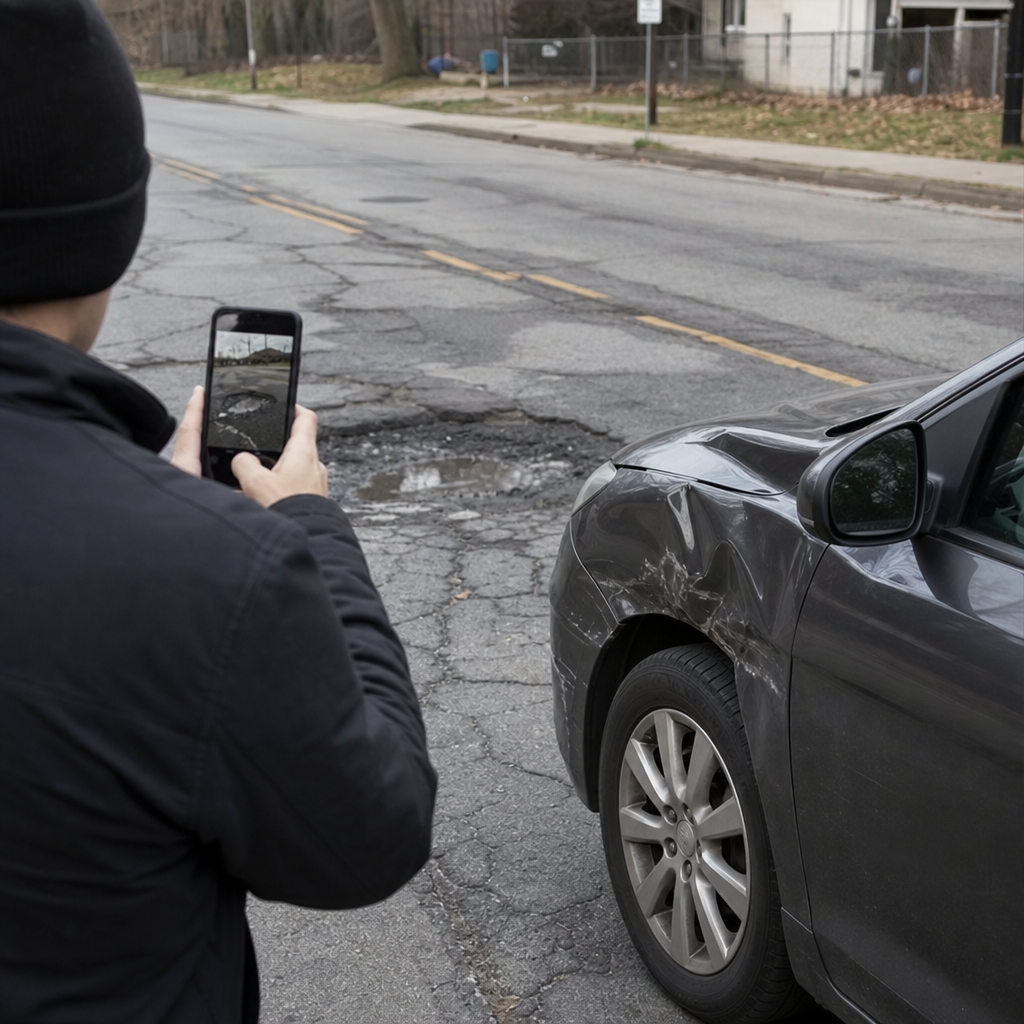
The first month after an accident can influence the direction of an Ohio personal injury claim. Medical treatment begins. Evidence can disappear. Insurance companies start asking questions. Meanwhile, injured people must manage pain, missed work, property damage, and growing expenses. You do not need to resolve every issue immediately. However, early decisions can affect how clearly you prove fault, connect your injuries to the accident, and document your losses. This guide explains what commonly happens during the first 30 days of an Ohio personal injury claim and offers practical steps for protecting your interests.
Days 1–3 of an Ohio Personal Injury Claim: Protect Your Health and Start the Paper Trail
Your health comes first. Prompt medical attention can also create an early record of your symptoms, diagnosis, and recommended care. That record may become important to your Ohio personal injury claim. Some injuries are immediately apparent. Others, including concussions and certain soft-tissue injuries, may become more noticeable over time. Seek appropriate medical care and describe your symptoms accurately. Do not exaggerate them, but do not minimize them either. During the first few days:
- Follow emergency and follow-up care instructions.
- Keep discharge papers, imaging reports, prescriptions, referrals, and work restrictions.
- Obtain the police report number if law enforcement responded.
- Photograph visible injuries, property damage, road conditions, spills, broken flooring, or other hazards.
- Save damaged clothing, footwear, helmets, child safety seats, and other relevant items.
- Write down witness names and contact information.
Begin a simple recovery journal for your Ohio personal injury claim. Record pain levels, appointments, missed work, medication side effects, and daily activities affected by the injury. Keep each entry factual and concise.
Be Careful About Social Media
Photos, captions, location tags, and comments can be taken out of context. Privacy settings do not guarantee that a post will remain private. Avoid discussing the accident, your injuries, or settlement negotiations online while the matter is pending.
Days 3–10: Report the Accident and Protect Your Ohio Personal Injury Claim
Most policies require timely notice of an accident. When reporting the event, provide basic, accurate information. This may include the date, time, location, parties involved, insurance information, and a short description of what happened. Reporting an accident is not the same as proving every part of an Ohio personal injury claim. The investigation may continue as medical information, witness accounts, photographs, video, and other evidence become available. If you do not know an answer, say so. Do not estimate speed, distance, timing, or other facts merely to fill a gap.
Should You Give a Recorded Statement?
The answer may depend on which insurance company is asking and what your policy requires. Your carrier may request cooperation under your policy. The at-fault party’s insurer does not represent you and may seek information that affects its evaluation of the claim.
Before giving a recorded statement about an Ohio personal injury claim, confirm who is requesting it, why it is requested, and whether your policy requires it. Consider seeking legal advice first if fault is disputed, your injuries are serious, or you are medicated or uncertain about the facts. When speaking with an adjuster:
- Note the date, time, and substance of each conversation.
- State only facts you know.
- Do not speculate about fault, speed, or distance.
- Avoid saying you are “fine” while symptoms are still developing.
- Do not sign a broad medical authorization without understanding its scope.
- Keep copies of all correspondence, forms, and claim numbers.

Week 2: Preserve Evidence for Your Ohio Personal Injury Claim
Evidence is often easiest to obtain soon after an accident. Businesses may overwrite surveillance video. Vehicles may be repaired. Road conditions change, and witnesses forget details. Early preservation can strengthen an Ohio personal injury claim, especially when responsibility is disputed. Create one physical or digital file with these sections:
- Accident evidence: photographs, videos, reports, diagrams, and witness information.
- Medical care: records, bills, referrals, prescriptions, and appointment notes.
- Income loss: pay stubs, employer correspondence, work restrictions, and used leave.
- Expenses: transportation costs, medical equipment, property damage, and receipts.
- Insurance communications: letters, emails, claim numbers, and call notes.
Keep original evidence after making digital copies. Save unedited versions of photographs and videos. Note when and where each item was created. If a business, property owner, trucking company, or another party controls important evidence, an attorney may send a preservation notice for your Ohio personal injury claim.
How Ohio’s Comparative-Fault Rule Can Affect Recovery
Fault does not always rest with one person. Under Ohio Revised Code § 2315.33, an injured person may recover when that person’s share of fault is not greater than the combined fault of the other responsible parties. Compensatory damages are reduced by the injured person’s percentage of fault. Recovery is generally barred when that percentage exceeds 50%.
For example, if proven damages total $100,000 and the injured person is found 20% at fault, the compensatory award may be reduced to $80,000. Because shared fault can directly affect an Ohio personal injury claim, photographs, witness accounts, electronic data, and consistent statements matter.

Weeks 2–3: Decide Whether You Need an Ohio Personal Injury Attorney
Not every accident requires legal representation. Still, early advice may help preserve evidence, identify insurance coverage, and prevent avoidable communication mistakes. Consider speaking with an attorney about your Ohio Personal Injury Claim when:
- Your injuries require ongoing care, surgery, or specialist treatment.
- You have missed work or may have reduced future earning ability.
- The insurer disputes fault or questions whether the accident caused your injuries.
- A commercial vehicle, government entity, property owner, or several parties may be involved.
- The insurer requests a recorded statement, extensive authorization, or quick release.
- An adjuster offers money before the extent of your injuries is known.
- The accident resulted in permanent impairment or death.
An Ohio personal injury attorney may investigate responsibility, preserve evidence, review coverage, obtain records, document damages, communicate with insurers, and explain whether litigation may be necessary. The right strategy for an Ohio personal injury claim depends on its facts.

Weeks 3–4: Understand the Ohio Personal Injury Claim Investigation
By the third or fourth week, the insurer may be reviewing coverage, reports, statements, property damage, medical records, and fault. There is no single investigation timeline for every Ohio personal injury claim. A straightforward collision may move faster than a case involving several parties, disputed responsibility, serious injuries, or unclear coverage. Continue attending medically necessary appointments and following your providers’ recommendations. Gaps in care may prompt questions about the cause or seriousness of the injuries. If treatment is delayed because of scheduling, transportation, cost, or another legitimate reason, document that reason.
Be Careful With Early Settlement Offers
An early offer may arrive before you know whether you need additional imaging, surgery, rehabilitation, or time away from work. A settlement normally requires a release that ends the claim. Once you sign, you generally cannot seek more compensation from the released parties if your condition worsens. Before resolving an Ohio personal injury claim, consider current bills, expected care, lost income, reduced earning capacity, property loss, and the injury’s effect on daily life. A demand letter often becomes more useful after the prognosis, liability evidence, and financial losses can be evaluated responsibly.
What If the Insurer Denies the Claim?
A denial is not always the final word. The insurer may dispute fault, coverage, causation, treatment, or damages. Request the reason in writing. Then review the policy language, supporting evidence, medical records, and available response options for the Ohio personal injury claim. An insurance claim and a lawsuit are different. The claim process involves presenting evidence and negotiating with an insurer. A lawsuit begins when a complaint is filed in court. Many matters resolve without trial, but litigation may become necessary when responsibility remains contested or negotiations stall.
Filing Deadlines for an Ohio Personal Injury Claim
Do not rely on an insurance investigation to protect a court filing deadline. Under Ohio Revised Code § 2305.10, many actions for bodily injury or property damage must be filed within two years after the claim accrues. However, different deadlines and special rules may apply based on the type of case, the defendant, the injured person’s age, and other facts.
Medical claims, claims involving public entities, product cases, wrongful-death matters, and cases involving minors may require different analysis. An open insurance file does not necessarily extend the deadline. Ask an Ohio attorney to identify the specific filing limit for your Ohio personal injury claim as early as possible.
First-30-Days Checklist for an Ohio Personal Injury Claim
- Seek appropriate medical care and follow treatment instructions.
- Report the accident to the appropriate insurer or property representative.
- Preserve photographs, video, damaged items, and witness information.
- Keep medical records, bills, wage documents, receipts, and correspondence.
- Track symptoms, appointments, work absences, and daily limitations.
- Communicate accurately and avoid speculation.
- Review requests before signing releases or broad authorizations.
- Do not settle before understanding your prognosis and documented losses.
- Confirm the filing deadline that applies to your case.
- Seek legal guidance when injuries are serious or fault is disputed.
Dedicated Practice Areas
- Car and Truck Accidents
- Motorcycle Accidents
- Negligencia médica
- Muerte por negligencia
- Responsabilidad civil por las instalaciones
- Resbalones y caídas
- Mordeduras de perro
- As well as other types of claims
Frequently Asked Questions About an Ohio Personal Injury Claim
- How soon should I seek medical care after an Ohio accident? Seek emergency help immediately for urgent symptoms. Otherwise, obtain appropriate medical care as soon as reasonably possible. Prompt evaluation protects your health and helps document when symptoms began. Follow your provider’s recommendations. After 911, Call 1-800-411-7246
- Do I have to speak with the other driver’s insurance company? The other driver’s insurer does not represent your interests. You should not speculate or minimize your symptoms. Before giving a recorded statement or signing an authorization, consider speaking with a local Ohio personal injury attorney.
- How long does an Ohio Personal Injury Claim take? There is no standard timeline for an Ohio personal injury claim. Its length depends on the injuries, duration of treatment, clarity of fault, available coverage, number of parties, and whether litigation becomes necessary. Resolving a case too early can overlook future care or income loss.
- What compensation may be available in an Ohio Personal Injury Claim? Depending on the evidence and applicable law, an Ohio personal injury claim may seek compensation for medical expenses, lost income, reduced earning capacity, property damage, pain and suffering, and other losses. Available compensation depends on the circumstances, insurance coverage, and comparative fault.
- Can I handle an Ohio Personal Injury Claim without a lawyer? You may handle a claim yourself. However, serious injuries, disputed fault, multiple parties, unclear coverage, or an early settlement offer can create added risk. A consultation can help you understand the process and decide whether representation would benefit your case.
Protecting Your Ohio Personal Injury Claim Starts Now
The first 30 days are about building a reliable foundation for your Ohio personal injury claim. Prioritize your health. Preserve evidence. Organize your records. Communicate carefully. Learn the deadline that applies to your case. These steps can help prevent avoidable problems while the facts are fresh. If you have questions about an Ohio personal injury claim, Buckeye Law Group’s local Ohio personal injury attorneys can review the circumstances, explain your legal options, and help you determine the next step. Contact Buckeye Law Group today for a free consultation. We look forward to providing you with the legal resources you deserve.
*This article is provided for general informational purposes only. It does not constitute legal advice or create an attorney-client relationship. Every personal injury claim is unique, and outcomes depend on the specific facts and applicable law. Past results do not guarantee a similar outcome.*
Injured at a Columbus Apartment Complex? What Tenants and Visitors Should Document
A fall at a Columbus apartment complex can raise more than immediate medical concerns when a dangerous property condition may have contributed to the injury. For tenants and lawful visitors,
What Happens After a Personal Injury Lawsuit Is Filed in Franklin County?
Filing a personal injury lawsuit in Franklin County, OH, places your claim within a formal court process governed by procedural rules and deadlines. After filing, the defendant must be served
What to Do After a Hit-and-Run Accident in Columbus, Ohio
A hit-and-run accident in Columbus, OH, or the neighboring communities can leave you hurt, shaken, and unsure how to prove what happened. The right response is simple but urgent: get
Injured as a Passenger in a Columbus Car Accident? Understanding Your Options
If you were injured as a passenger in a Columbus car accident, you may have more options than you realize. Passengers are usually not the person blamed for the crash,
Who Pays Medical Bills While an Ohio Car Accident Claim Is Pending?
After a crash, medical care cannot wait for an insurance settlement. In Ohio, the person who caused the collision may ultimately be responsible for injury-related losses, but the at-fault driver’s
Cleveland Premises Liability Lawyers: Understanding Property Injury Claims in Ohio
How Cleveland Premises Liability Lawyers Evaluate Property Injury Claims Under Ohio Law A serious injury on someone else’s property can raise immediate questions about medical bills, responsibility, and your next
How Long Does an Auto Accident Settlement Take in Ohio? A Guide to the Claims Process
Ohio Auto Accident Settlement Timeline: What to Expect From Claim to Payout An Ohio auto accident settlement can move quickly when injuries are minor, liability is clear, and records are
How Buckeye Law Group’s Slip and Fall Injury Lawyers Help Injured Ohioans Understand Their Legal Options
Ohio Slip and Fall Injury Lawyers Helping You Understand Your Rights After a Serious Injury A slip and fall can turn an ordinary trip to a store, apartment building, workplace,
How Can an Ohio Truck Accident Lawyer Help You Protect Your Rights After a Commercial Truck Crash?
Legal Guidance After an Ohio Truck Accident: How an Ohio Truck Accident Lawyer Can Support Your Claim A truck accident lawyer from Buckeye Law Group can help injured individuals and
Should You Accept An Insurance Settlement Offer? Why Ohio Injury Victims Should Speak With An Attorney First
After an accident, an insurance settlement offer may provide welcome financial relief while medical bills and lost wages continue to accumulate. However, accepting an offer before the full extent of

Buckeye Law Group represents people injured in auto accidents, slip and falls, workplace accidents and more in Ohio. Contact us today to learn more.
© 2026 Todos los derechos reservados | The Buckeye Law Group Inc. Políticade privacidad Mapa del sitio
Ubicaciones de las oficinas
- Akron Office 388 S Main St #400 Akron, OH 44311 (330) 426-0288
- Cincinnati Office 201 E 5th St Ste 1910 Cincinnati, OH 45202 (513) 547-2445
- Cleveland Office 127 Public Square Ste 1540 Cleveland, OH 44114 (216) 677-5490
- Columbus Office 20 E Broad St Suite 300 Columbus, OH 43215 (614) 482-3793
- Dayton Office 70 Birch Alley Ste 240 Dayton, OH 45440 (937) 884-4474
- Euclid Office 25701 N Lakeland Blvd Suite 113-C, Cleveland, OH 44132 (216) 405-2626
- Mansfield Office 305 E Main St Ste 6A, Mansfield, OH 44904 (567) 210-2606
- Findlay Office 7430 Timberstone Dr unit 101a, Findlay, OH 45840 419-873-5119
- Mentor Office 7537 Mentor Ave Ste 101, Mentor, OH 44060 (440) 306-3536
- Middletown Office 300 N Main St #400, Middletown, OH 45042 (326) 800-9150
- Parma Office 1257 Rockside Rd #A, Parma, OH 44131 (216) 279-1664
- Springfield Office 2100 E High St Ste TL3, Springfield, OH 45505 (937) 806-5791
- Toledo Office 3950 Sunforest Ct Ste 200, Toledo, OH 43623 (567) 483-3883
- Westlake Office 26404 Center Ridge Rd Ste B2, Westlake, OH 44145 216-247-0565
- Whitehall Office 5340 E Main St Ste 203, Whitehall, OH 43213 (380) 257-5206
- Youngstown Office 306 Churchill Hubbard Rd, Youngstown, OH 44505 (234) 225-0683
Contáctenos
© 2026 Todos los derechos reservados | The Buckeye Law Group Inc. Políticade privacidad Mapa del sitio