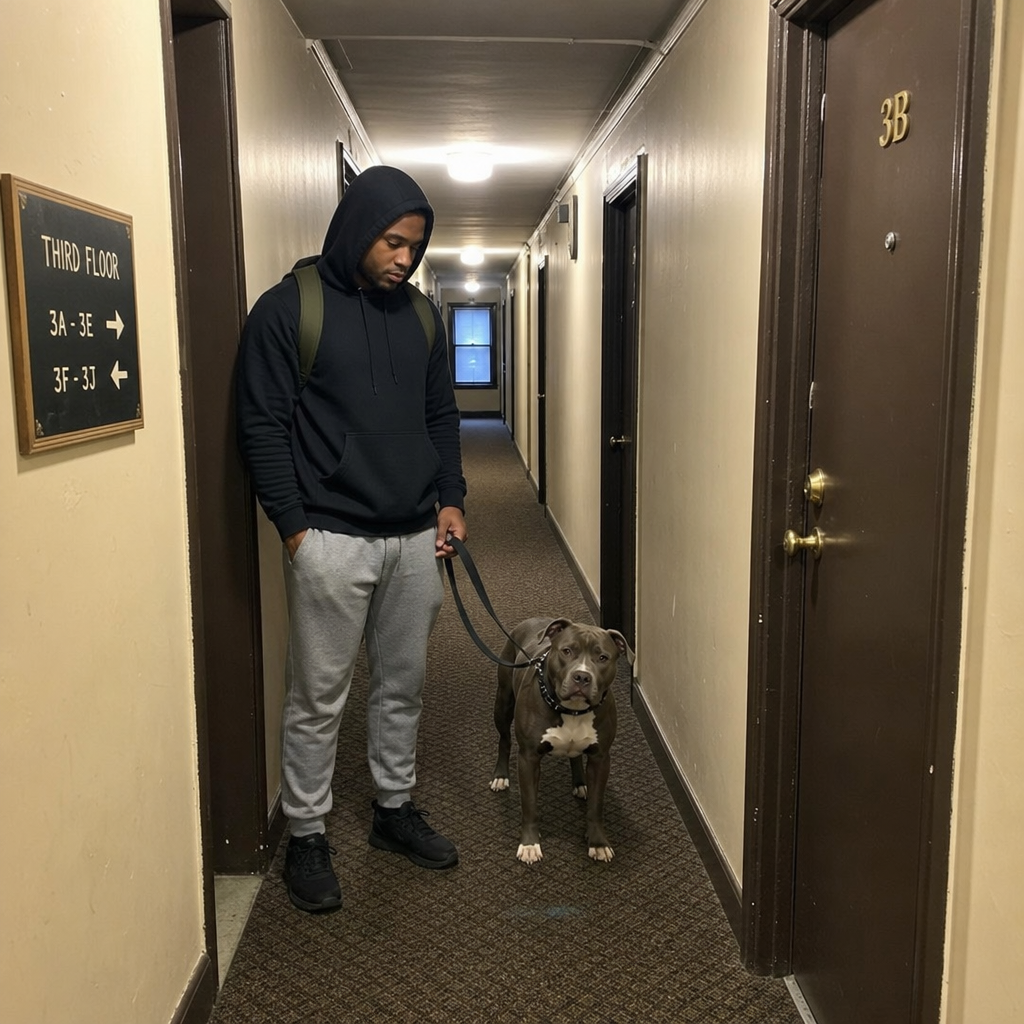
In Ohio, renters insurance may cover dog bite claims through the policy’s personal liability section, but coverage depends on the policy language, the dog’s history, and any exclusions. Cleveland renters should understand both sides of the issue: what happens if their dog bites someone, and what to do if they are bitten by a neighbor’s, landlord’s, or visitor’s dog. This guide explains how Ohio renters insurance, dog bite liability, and practical claim steps fit together.
Call (216) 677-5490 or request a free consultation today to speak with an experienced Cleveland dog bite attorney at Buckeye Law Group.
Does renters insurance cover dog bites in Ohio?
Often, yes, but not always. Many renters policies include personal liability coverage, which can apply when the insured renter is legally responsible for bodily injury or property damage to someone else; Ohio’s Department of Insurance describes renters insurance as including liability protection, and its homeowner guide notes that tenant policies include personal liability coverage.
That is why searches for “renters insurance dog bites Ohio” usually lead back to one key question: does the policy cover animal-related injuries? Some policies treat a dog bite like another liability claim, while others exclude animal liability, certain breeds, dogs with a bite history, or incidents involving a dog classified as dangerous or vicious. Because exclusions vary, the safest answer is to read the actual policy and ask the insurer to confirm coverage in writing.
For renters, the important distinction is that renters insurance is not pet health insurance. It generally does not pay your own dog’s vet bills or your own medical bills after your dog bites you. It is designed to protect you when someone else claims you caused injury or damage, including possible legal defense costs, settlement amounts, or medical payments if the claim is covered.
Ohio’s dog bite law makes liability a serious issue
Ohio law places responsibility on the “owner, keeper, or harborer” of a dog for injury, death, or loss caused by the dog, subject to statutory defenses such as trespassing, committing certain crimes, or teasing, tormenting, or abusing the dog. In practical terms, renters who own or keep a dog should not assume they are protected just because the dog has never bitten anyone before.
This matters for dog bite claims because insurance coverage and legal liability are related but not identical. Ohio law may make a dog owner liable, while the insurance policy decides whether the insurer will pay or defend that owner. If the dog is excluded from the policy, the renter could face the claim personally.
A renter can also become involved in a claim even when the bite happens away from the apartment. For example, if a renter’s dog bites a delivery driver in a hallway, a guest inside the unit, or another tenant in a shared outdoor area, the injured person may look to the dog owner first. If a landlord, property manager, or another party had control over the area or prior knowledge of a dangerous condition, those facts may also become important.
What policy details should Cleveland renters check?
Before assuming your renters insurance policy automatically covers dog bite incidents, review the policy’s declarations page, liability coverage provisions, endorsements, and exclusions. The NAIC explains that renters insurance differs from homeowners insurance because it covers the renter’s belongings and personal liability rather than the building itself. For dog bite concerns, the liability wording matters more than the personal property wording. Look for these items:
- Personal Liability Limit: This is the maximum the policy may pay for covered liability claims. If damages exceed the limit, the renter may still be exposed.
- Medical Payments Coverage: Some policies include a smaller no-fault medical payments section for injuries to others, but terms vary.
- Animal Or Dog Exclusions: Some policies remove coverage for all animal injuries or for specific situations.
- Breed Or Bite-History Restrictions: Some insurers ask about breed, prior bites, or dangerous-dog designations.
- Endorsements: A policy may add, reduce, or remove animal liability coverage through an endorsement.
- Notice Duties: Policies typically require prompt notice after an incident, cooperation with the insurer, and no unauthorized settlement promises.
If the language is unclear, ask direct questions:
- “Does my policy cover dog bites caused by my dog?”
- “Are any breeds excluded?”
- “Would coverage apply in common areas of my apartment building?”
- “Is my dog covered if it has been reported before?”
These questions are especially useful for anyone comparing renters insurance options in Ohio or looking to address potential coverage gaps before filing a claim.
Renters insurance and dangerous dog insurance are not the same
Ohio law separately requires owners, keepers, or harborers of a dangerous or vicious dog to obtain liability insurance of at least $100,000 for each occurrence involving bodily injury, death, or damage caused by that dog. This requirement is different from ordinary renters insurance, even though a renters policy may sometimes be used to satisfy or support liability coverage if it meets the legal and policy requirements.
The difference matters. A standard renters policy is purchased to protect a renter’s belongings and personal liability in many everyday situations. Pet liability insurance or required dangerous-dog liability coverage is focused specifically on injuries or damage caused by a dog that falls into a higher-risk legal category. A practical comparison:
| Coverage Type | Main Purpose | Who May Need It | Key Caution |
|---|---|---|---|
| Standard Renters Insurance | Covers personal property and personal liability. | Most renters. | Dog bites may be limited or excluded. |
| Pet Liability Insurance | Adds or provides animal-related liability protection. | Renters whose policy excludes dogs or has low limits. | Must match the dog, location, and risk. |
| Dangerous/Vicious Dog Liability Insurance | Meets legal requirements for certain dogs. | Owners, keepers, or harborers of legally designated dogs. | Minimum requirements and proof obligations may apply. |
If your dog has been labeled dangerous, do not rely on a generic renters quote or a vague “pets allowed” lease clause. Confirm the legal insurance requirement, ask the insurer whether the policy satisfies it, and keep proof available if an official requests it.
What should you do after a dog bite in a Cleveland rental?
Start with health and documentation. Ohio’s Department of Health advises animal bite victims to wash the wound with soap and water, consult a doctor, and promptly report the incident to the local health department. Ohio law also requires healthcare providers or veterinarians with knowledge of a dog or other mammal bite injury to report it to the local health commissioner within 24 hours.
For Cleveland residents, the city says animal bites can be reported to Animal Control, and its animal bite page lists Animal Control and Cleveland Department of Public Health contacts for bite reporting and rabies-related questions. Cuyahoga County also notes that a bitten person may report the incident to the health department where it happened, and that dog bite investigations can involve quarantine requirements. Use this checklist:
- Get Medical Care Quickly: Even a small puncture can need cleaning, antibiotics, tetanus review, or rabies guidance.
- Identify The Dog And Owner: Record names, addresses, phone numbers, license details, vaccination information, and witnesses if available.
- Report The Bite: Contact the appropriate health department, animal control office, or police if there is an immediate danger.
- Take Photos And Notes: Photograph injuries, torn clothing, the location, leash conditions, gates, doors, and warning signs.
- Notify The Landlord Or Property Manager: This is especially important if the bite happened in a common area or involved another tenant’s dog.
- Preserve Insurance Information: If you own the dog, notify your insurer. If you were bitten, ask for the dog owner’s renters, homeowners, or pet liability insurance information.
- Avoid Quick Recorded Statements: Be truthful, but consider getting advice before giving detailed statements to another party’s insurer.
If you or a loved one suffers a dog bite in Cleveland, obtaining prompt medical attention and reporting the incident to the appropriate authorities can help protect your health and preserve important documentation. Depending on the circumstances, the following local resources may assist you:
- Cleveland Division of Animal Care & Control: Call (216) 664-3069 to report a dog bite within Cleveland city limits. The office is located at 9203 Detroit Road, Cleveland, OH 44102. Provide the location, date, and available information about the dog and its owner.
- Cleveland Department of Public Health: Call (216) 664-3747 for questions concerning potential rabies exposure and preventive treatment.
- Cleveland Division of Police: Call 911 for serious emergencies or an immediate threat to public safety. For non-emergency police assistance, call (216) 621-1234.
- Cuyahoga County Board of Health: Call (216) 201-2000 for animal-bite reporting guidance in areas served by the county health department. Other municipalities may have their own health departments.
After reporting the incident, request an incident or report number when available. Preserve medical records, photographs of your injuries, witness information, and relevant communications with the dog’s owner or property manager. These records may become important when evaluating liability and available insurance coverage under Ohio law.
Liability can involve renters, landlords, and neighbors
Most claims begin with the dog’s owner, keeper, or harborer, but rental housing can complicate the picture. A landlord is not automatically responsible for every tenant’s dog. However, facts such as prior complaints, known aggressive behavior, control over common areas, lease enforcement rights, or failure to respond to a known hazard can affect how a claim is evaluated.
For renters, this creates two practical responsibilities. First, if you own a dog, follow your lease, leash rules, vaccination requirements, and any local animal control orders. Second, if another tenant’s dog has acted aggressively, document complaints in writing rather than relying on hallway conversations.
Shared spaces in Cleveland apartment buildings can create common bite scenarios: a loose dog in a stairwell, an unleashed dog in a courtyard, a neighbor’s dog entering another unit, or a dog lunging at a delivery driver near the lobby. In each situation, the questions are similar: who owned or controlled the dog, who controlled the location, what was known before the bite, and which insurance policies apply?
How renters can reduce risk before anything happens
The best time to fix an insurance gap is before a dog bite occurs. If you are shopping for Ohio renters insurance, disclose the dog honestly and ask for written confirmation of animal liability coverage. If you searched for “Cleveland resnters insurance” while moving, do not stop at the cheapest quote; check whether the policy works for your actual household. Helpful prevention steps include:
- Keep updated vaccination and license records.
- Use secure leashes, harnesses, gates, and crates as needed.
- Do not allow guests, children, or maintenance workers to interact with your dog without supervision.
- Tell your insurer if you adopt a dog, change breeds, or learn of a bite history.
- Consider higher liability limits or umbrella coverage if available and appropriate.
- Review your lease’s pet addendum before bringing a dog into the unit.
If an insurer will not cover your dog, ask about an endorsement, a different carrier, or standalone pet liability insurance. A denied or excluded dog does not make the legal risk disappear; it simply means you may be paying out of pocket if something happens.
Understanding Renters Insurance Coverage and Your Legal Rights After a Dog Bite in Cleveland, Ohio
Renters insurance can be a useful financial shield after a dog bite, but it is not guaranteed protection. Ohio’s strict liability framework, dangerous-dog insurance rules, policy exclusions, and rental-property facts all matter. If you own a dog, verify your coverage now. If you were bitten, get medical care, report the incident, document everything, and identify all possible insurance sources. Taking steps to understand your insurance coverage, preserve critical evidence, and protect your legal rights can be essential when a dog bite results in significant medical expenses, lost income, and potential disputes over liability.
Call (216) 677-5490 or request a free consultation today to speak with an experienced Cleveland dog bite attorney at Buckeye Law Group.
*This article provides general information about how Cleveland dog bite attorneys and premises liability lawyers may assist individuals injured in dog attacks throughout Cleveland and Cuyahoga County, Ohio. It is intended for educational purposes only and does not constitute legal advice. Reading this article or contacting Buckeye Law Group does not establish an attorney-client relationship. Dog bite claims may involve Ohio’s strict liability laws, disputed responsibility, renters or homeowners insurance coverage, medical expenses, lost income, and applicable legal deadlines. Under Ohio Revised Code § 955.28(B), dog owners, keepers, and harborers may be liable for injuries, subject to statutory exceptions. Landlord liability requires a separate evaluation of the property’s circumstances and applicable legal duties. A Cleveland dog bite attorney at Buckeye Law Group may investigate liability, identify responsible parties, review insurance coverage, preserve evidence, evaluate potential compensation, and explain an injured individual’s rights under Ohio law. Every case is different, and prior results do not guarantee a similar outcome.*
Does Renters Insurance Cover Dog Bites in Ohio? What Cleveland Residents Should Know
In Ohio, renters insurance may cover dog bite claims through the policy’s personal liability section, but coverage depends on the policy language, the dog’s history, and any exclusions. Cleveland renters
How Uninsured Motorist Coverage Works After a Car Accident in Dayton, Ohio
A crash with an uninsured or underinsured driver can turn an ordinary Dayton commute into a confusing insurance problem. Uninsured motorist coverage helps protect you when the at-fault driver has
Whiplash Symptoms After a Cleveland Car Accident: What Injured Drivers Should Know
Whiplash is one of the most common neck injuries people worry about after a car accident, especially after a rear-end collision. For Cleveland drivers, the challenge is that auto accident
Uninsured Motorist Coverage in Ohio: What Cleveland Drivers Need to Know
Ohio requires drivers to prove financial responsibility, but that does not mean every driver on I-90, I-71, or a Cleveland surface street has enough insurance to pay for the harm
Rear-End Collisions in Columbus: Who Is at Fault and What Evidence Matters?
Rear-end crashes can look simple from the outside, but fault still depends on what each driver did, what the road conditions were, and what the evidence shows. In Columbus, Ohio,
How to Prove a Slip-and-Fall Injury Claim in Cincinnati Ohio
A slip-and-fall injury claim in Cincinnati, Ohio, usually turns on proof: what caused the fall, who controlled the property, what the owner or occupier knew or should have known, and
What to Do After a Truck Accident in Cleveland, Ohio: A Step-by-Step Guide
A serious truck crash can leave you shaken, injured, and unsure what to do next. This Cleveland truck accident guide walks you through the practical steps to protect your health,
Are Personal Injury Settlements Taxable in Ohio?
A personal injury settlement in Ohio is often not taxable when the money compensates you for physical injuries or physical sickness. But some parts of a settlement can be taxable,
Is It Worth Hiring a Cincinnati Car Accident Attorney After a Minor Crash?
A minor crash can feel like something you should be able to handle with a few phone calls and a repair estimate. Sometimes that is true. But if pain appears
Does Homeowners Insurance Cover Dog Bite Injuries in Cincinnati?
Homeowners insurance often provides coverage for dog bite injuries in Cincinnati, Ohio. However, coverage is not guaranteed. Whether an insurance policy covers a particular incident depends on its liability provisions,

Buckeye Law Group represents people injured in auto accidents, slip and falls, workplace accidents and more in Ohio. Contact us today to learn more.
© 2026 Todos los derechos reservados | The Buckeye Law Group Inc. Políticade privacidad Mapa del sitio
Ubicaciones de las oficinas
- Akron Office 388 S Main St #400 Akron, OH 44311 (330) 426-0288
- Cincinnati Office 201 E 5th St Ste 1910 Cincinnati, OH 45202 (513) 547-2445
- Cleveland Office 127 Public Square Ste 1540 Cleveland, OH 44114 (216) 677-5490
- Columbus Office 20 E Broad St Suite 300 Columbus, OH 43215 (614) 482-3793
- Dayton Office 70 Birch Alley Ste 240 Dayton, OH 45440 (937) 884-4474
- Euclid Office 25701 N Lakeland Blvd Suite 113-C, Cleveland, OH 44132 (216) 405-2626
- Mansfield Office 305 E Main St Ste 6A, Mansfield, OH 44904 (567) 210-2606
- Findlay Office 7430 Timberstone Dr unit 101a, Findlay, OH 45840 419-873-5119
- Mentor Office 7537 Mentor Ave Ste 101, Mentor, OH 44060 (440) 306-3536
- Middletown Office 300 N Main St #400, Middletown, OH 45042 (326) 800-9150
- Parma Office 1257 Rockside Rd #A, Parma, OH 44131 (216) 279-1664
- Springfield Office 2100 E High St Ste TL3, Springfield, OH 45505 (937) 806-5791
- Toledo Office 3950 Sunforest Ct Ste 200, Toledo, OH 43623 (567) 483-3883
- Westlake Office 26404 Center Ridge Rd Ste B2, Westlake, OH 44145 216-247-0565
- Whitehall Office 5340 E Main St Ste 203, Whitehall, OH 43213 (380) 257-5206
- Youngstown Office 306 Churchill Hubbard Rd, Youngstown, OH 44505 (234) 225-0683
Contáctenos
© 2026 Todos los derechos reservados | The Buckeye Law Group Inc. Políticade privacidad Mapa del sitio