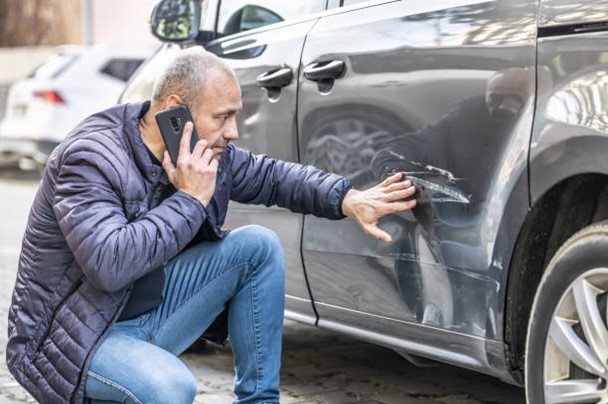
Speeding is one of the leading causes of car accidents across the United States, contributing to thousands of fatalities and serious injuries every year. While it might seem harmless to go a few miles over the speed limit, even minor increases in speed can drastically reduce a driver’s ability to react to changing road conditions, avoid obstacles, and control their vehicle. At Buckeye Law Group, we understand the devastating consequences of speed-related car accidents, and we are committed to helping victims and their families secure justice and compensation.
How Speeding Contributes to Car Accidents
- Reduced Reaction Time
The faster a vehicle is traveling, the less time a driver has to react to sudden hazards like stopped traffic, animals crossing the road, or unexpected obstacles. For example, a car traveling at 70 mph requires significantly more distance to come to a complete stop compared to a car traveling at 50 mph. This reduced reaction time often leads to rear-end collisions, T-bone accidents, or crashes with pedestrians. - Greater Impact Force
Speeding amplifies the severity of collisions by increasing the force of impact. A crash at higher speeds is far more likely to result in catastrophic injuries, including traumatic brain injuries, spinal cord damage, broken bones, and internal bleeding. The increased impact force also puts passengers and pedestrians at greater risk of fatal injuries. - Difficulty Navigating Turns and Curves
Higher speeds make it challenging for drivers to safely navigate sharp turns, winding roads, or sudden changes in direction. Vehicles may skid off the road, collide with barriers, or crash into oncoming traffic. This is particularly dangerous in adverse weather conditions, where wet or icy roads further reduce traction.
Steps to Take After a Speed-Related Car Accident
- Seek Immediate Medical Care
After a car accident, your health and safety should be your top priority. Even if injuries seem minor, seek medical attention promptly to document any harm caused by the accident. Some injuries, such as whiplash or internal bleeding, may not show immediate symptoms. - Gather Evidence at the Scene
If you are able, collect as much evidence as possible at the accident scene. Take photos of the vehicles, road conditions, skid marks, and any visible injuries. Obtain contact information from witnesses and request a copy of the police report. These pieces of evidence will be critical in building your case. - Contact a Car Accident Attorney
Speed-related accidents often involve complex liability issues, especially when multiple parties are involved. At Buckeye Law Group, we will investigate the circumstances of your accident, gather expert testimony if needed, and negotiate with insurance companies to ensure you receive the maximum compensation for medical bills, lost wages, pain and suffering, and property damage.
Conclusión
Speeding is a reckless behavior that puts everyone on the road at risk. If you or a loved one has been injured in a speed-related car accident, Buckeye Law Group is here to help. Contact us today for a free consultation and let us fight for your rights while you focus on healing and moving forward.
Llame al 800-411-PAIN o rellene nuestro formulario de contacto para obtener hoy mismo una consulta gratuita y sin compromiso sobre su caso.
T-Bone Accidents in Columbus Ohio: Who Is at Fault and What Evidence Matters?
T-bone collisions are often among the most disputed Columbus car accidents because both drivers may tell very different stories about the same intersection. Fault usually depends on who had the
Medical Negligence in Dayton: When a Medical Error May Support an Ohio Malpractice Claim
A bad medical outcome does not always mean a provider committed malpractice, but some errors may support an Ohio medical malpractice claim. For patients and families in Dayton, the key
Fatal Cleveland Bicycle Hit-and-Run: Honoring a Life Lost and Raising Awareness About Roadway Safety
The tragic death of a bicyclist following an October 18, 2026, hit-and-run collision near West 25th Street and Detroit Avenue in Cleveland has left loved ones grieving an irreplaceable loss
Gregory E. Gudin’s $12 Million USAA Insurance Settlement
In 2021, attorney Gregory E. Gudin handled a case involving USAA, one of the nation’s most recognized insurance companies, that resulted in a $12 million settlement. This significant result is
Gregory E. Gudin’s $14.5 Million Progressive Insurance Settlement
Gregory E. Gudin has spent his legal career representing individuals whose cases involve serious financial consequences. Among the significant settlements on his professional portfolio is a $14.5 million settlement involving
Wrongful Death Lawsuits in Columbus, Ohio: Who Can File and What Compensation Is Available?
The wrongful death of a loved one can leave a family facing significant emotional and financial hardships, particularly when the loss results from another party’s negligence. Under Ohio law, surviving
Injured in an Uber Accident in Toledo? Understanding Insurance Coverage and Liability
A Toledo Uber accident can feel more confusing than a typical car crash because several insurance policies may be involved. The most important issue is usually the driver’s app status
Does Renters Insurance Cover Dog Bites in Ohio? What Cleveland Residents Should Know
In Ohio, renters insurance may cover dog bite claims through the policy’s personal liability section, but coverage depends on the policy language, the dog’s history, and any exclusions. Cleveland renters
How Uninsured Motorist Coverage Works After a Car Accident in Dayton, Ohio
A crash with an uninsured or underinsured driver can turn an ordinary Dayton commute into a confusing insurance problem. Uninsured motorist coverage helps protect you when the at-fault driver has
Whiplash Symptoms After a Cleveland Car Accident: What Injured Drivers Should Know
Whiplash is one of the most common neck injuries people worry about after a car accident, especially after a rear-end collision. For Cleveland drivers, the challenge is that auto accident

Buckeye Law Group represents people injured in auto accidents, slip and falls, workplace accidents and more in Ohio. Contact us today to learn more.
© 2026 Todos los derechos reservados | The Buckeye Law Group Inc. Políticade privacidad Mapa del sitio
Ubicaciones de las oficinas
- Akron Office 388 S Main St #400 Akron, OH 44311 (330) 426-0288
- Cincinnati Office 201 E 5th St Ste 1910 Cincinnati, OH 45202 (513) 547-2445
- Cleveland Office 127 Public Square Ste 1540 Cleveland, OH 44114 (216) 677-5490
- Columbus Office 20 E Broad St Suite 300 Columbus, OH 43215 (614) 482-3793
- Dayton Office 70 Birch Alley Ste 240 Dayton, OH 45440 (937) 884-4474
- Euclid Office 25701 N Lakeland Blvd Suite 113-C, Cleveland, OH 44132 (216) 405-2626
- Mansfield Office 305 E Main St Ste 6A, Mansfield, OH 44904 (567) 210-2606
- Findlay Office 7430 Timberstone Dr unit 101a, Findlay, OH 45840 419-873-5119
- Mentor Office 7537 Mentor Ave Ste 101, Mentor, OH 44060 (440) 306-3536
- Middletown Office 300 N Main St #400, Middletown, OH 45042 (326) 800-9150
- Parma Office 1257 Rockside Rd #A, Parma, OH 44131 (216) 279-1664
- Springfield Office 2100 E High St Ste TL3, Springfield, OH 45505 (937) 806-5791
- Toledo Office 3950 Sunforest Ct Ste 200, Toledo, OH 43623 (567) 483-3883
- Westlake Office 26404 Center Ridge Rd Ste B2, Westlake, OH 44145 216-247-0565
- Whitehall Office 5340 E Main St Ste 203, Whitehall, OH 43213 (380) 257-5206
- Youngstown Office 306 Churchill Hubbard Rd, Youngstown, OH 44505 (234) 225-0683
Contáctenos
© 2026 Todos los derechos reservados | The Buckeye Law Group Inc. Políticade privacidad Mapa del sitio