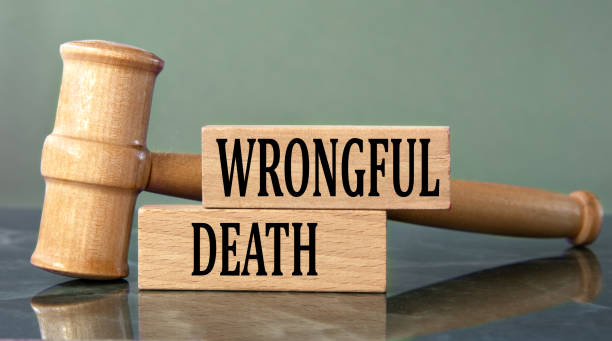
Understanding the Tragedy of Medical Negligence
When you place your loved one’s care in the hands of doctors, nurses, and hospital staff, you expect professionalism, compassion, and competence. Sadly, this doesn’t always happen. Medical negligence—a failure to provide the appropriate standard of care—can have devastating consequences, including preventable deaths. For Ohio families, this often means grappling with not only grief but also anger and confusion about how such a tragedy could have happened.
Medical negligence leading to wrongful death can take many forms:
- A surgeon leaving a surgical instrument inside a patient
- A doctor misdiagnosing a serious illness like cancer or a heart attack
- A nurse administering the wrong medication dosage
- An emergency room failing to treat a patient in time
When negligence rises to this level, families may have the right to pursue justice through a wrongful death claim.
What Constitutes Medical Negligence in Ohio?
Medical negligence occurs when a healthcare provider fails to act with the level of skill, knowledge, and care expected in their field. In wrongful death cases, this negligence must directly lead to the patient’s death. For instance:
- Failure to diagnose: Missing a critical illness like meningitis or stroke, causing death that could have been prevented with timely treatment.
- Surgical errors: Operating on the wrong body part, cutting vital nerves or arteries, or failing to control bleeding.
- Medication mistakes: Prescribing the wrong drug, giving the wrong dose, or overlooking dangerous drug interactions.
- Hospital system failures: Understaffed units, unsanitary conditions, or poor communication between doctors and nurses.
Each of these represents a serious breach of duty that can end in tragedy.
Who Can File a Wrongful Death Claim in Ohio?
In Ohio, a wrongful death lawsuit must be filed by the personal representative of the deceased’s estate (sometimes called the executor). This representative acts on behalf of the surviving family members, who are the true beneficiaries of any compensation. Common beneficiaries include:
- The surviving spouse
- Children (including adopted children)
- Parents of the deceased
The court determines how damages are distributed among these family members based on the closeness of their relationship with the deceased and the impact of the loss.
What Damages Can Families Recover?
A wrongful death lawsuit can address both the economic and non-economic impacts of losing a loved one due to medical negligence. Compensation may include:
- Medical expenses: Bills for treatment received before death
- Funeral and burial costs: Often a significant burden for grieving families
- Loss of income: Wages and benefits the deceased would have earned
- Loss of companionship and support: The emotional and relational loss suffered by spouses, children, and parents
- Mental anguish: Recognizing the deep emotional toll of an unexpected death
These damages aren’t about “placing a price” on a life—they’re about ensuring that families don’t face financial devastation while they’re already suffering unimaginable grief.
The Challenges of Proving Medical Negligence
Hospitals and doctors rarely admit wrongdoing. To prove negligence, families often need:
- Expert testimony from medical professionals who can explain how care fell below accepted standards.
- Medical records showing the treatment provided and where it went wrong.
- Evidence of causation, linking the negligent act directly to the patient’s death.
Without skilled legal guidance, families may struggle to overcome these hurdles. Hospitals often employ teams of lawyers and insurers to fight wrongful death claims, making it critical to have an experienced advocate on your side.
Why Families Choose to Pursue Legal Action
Some families hesitate to file a lawsuit, thinking it may prolong their grief. However, many find that seeking justice provides a sense of closure and accountability. Wrongful death claims not only support surviving family members financially but also prevent future harm by holding negligent providers accountable.
If medical negligence has taken the life of someone you love, you don’t have to face this alone.
👉 Contact Buckeye Law Group today to protect your rights and your family’s future
T-Bone Accidents in Columbus Ohio: Who Is at Fault and What Evidence Matters?
T-bone collisions are often among the most disputed Columbus car accidents because both drivers may tell very different stories about the same intersection. Fault usually depends on who had the
Medical Negligence in Dayton: When a Medical Error May Support an Ohio Malpractice Claim
A bad medical outcome does not always mean a provider committed malpractice, but some errors may support an Ohio medical malpractice claim. For patients and families in Dayton, the key
Fatal Cleveland Bicycle Hit-and-Run: Honoring a Life Lost and Raising Awareness About Roadway Safety
The tragic death of a bicyclist following an October 18, 2026, hit-and-run collision near West 25th Street and Detroit Avenue in Cleveland has left loved ones grieving an irreplaceable loss
Gregory E. Gudin’s $12 Million USAA Insurance Settlement
In 2021, attorney Gregory E. Gudin handled a case involving USAA, one of the nation’s most recognized insurance companies, that resulted in a $12 million settlement. This significant result is
Gregory E. Gudin’s $14.5 Million Progressive Insurance Settlement
Gregory E. Gudin has spent his legal career representing individuals whose cases involve serious financial consequences. Among the significant settlements on his professional portfolio is a $14.5 million settlement involving
Wrongful Death Lawsuits in Columbus, Ohio: Who Can File and What Compensation Is Available?
The wrongful death of a loved one can leave a family facing significant emotional and financial hardships, particularly when the loss results from another party’s negligence. Under Ohio law, surviving
Injured in an Uber Accident in Toledo? Understanding Insurance Coverage and Liability
A Toledo Uber accident can feel more confusing than a typical car crash because several insurance policies may be involved. The most important issue is usually the driver’s app status
Does Renters Insurance Cover Dog Bites in Ohio? What Cleveland Residents Should Know
In Ohio, renters insurance may cover dog bite claims through the policy’s personal liability section, but coverage depends on the policy language, the dog’s history, and any exclusions. Cleveland renters
How Uninsured Motorist Coverage Works After a Car Accident in Dayton, Ohio
A crash with an uninsured or underinsured driver can turn an ordinary Dayton commute into a confusing insurance problem. Uninsured motorist coverage helps protect you when the at-fault driver has
Whiplash Symptoms After a Cleveland Car Accident: What Injured Drivers Should Know
Whiplash is one of the most common neck injuries people worry about after a car accident, especially after a rear-end collision. For Cleveland drivers, the challenge is that auto accident

Buckeye Law Group represents people injured in auto accidents, slip and falls, workplace accidents and more in Ohio. Contact us today to learn more.
© 2026 Todos los derechos reservados | The Buckeye Law Group Inc. Políticade privacidad Mapa del sitio
Ubicaciones de las oficinas
- Akron Office 388 S Main St #400 Akron, OH 44311 (330) 426-0288
- Cincinnati Office 201 E 5th St Ste 1910 Cincinnati, OH 45202 (513) 547-2445
- Cleveland Office 127 Public Square Ste 1540 Cleveland, OH 44114 (216) 677-5490
- Columbus Office 20 E Broad St Suite 300 Columbus, OH 43215 (614) 482-3793
- Dayton Office 70 Birch Alley Ste 240 Dayton, OH 45440 (937) 884-4474
- Euclid Office 25701 N Lakeland Blvd Suite 113-C, Cleveland, OH 44132 (216) 405-2626
- Mansfield Office 305 E Main St Ste 6A, Mansfield, OH 44904 (567) 210-2606
- Findlay Office 7430 Timberstone Dr unit 101a, Findlay, OH 45840 419-873-5119
- Mentor Office 7537 Mentor Ave Ste 101, Mentor, OH 44060 (440) 306-3536
- Middletown Office 300 N Main St #400, Middletown, OH 45042 (326) 800-9150
- Parma Office 1257 Rockside Rd #A, Parma, OH 44131 (216) 279-1664
- Springfield Office 2100 E High St Ste TL3, Springfield, OH 45505 (937) 806-5791
- Toledo Office 3950 Sunforest Ct Ste 200, Toledo, OH 43623 (567) 483-3883
- Westlake Office 26404 Center Ridge Rd Ste B2, Westlake, OH 44145 216-247-0565
- Whitehall Office 5340 E Main St Ste 203, Whitehall, OH 43213 (380) 257-5206
- Youngstown Office 306 Churchill Hubbard Rd, Youngstown, OH 44505 (234) 225-0683
Contáctenos
© 2026 Todos los derechos reservados | The Buckeye Law Group Inc. Políticade privacidad Mapa del sitio