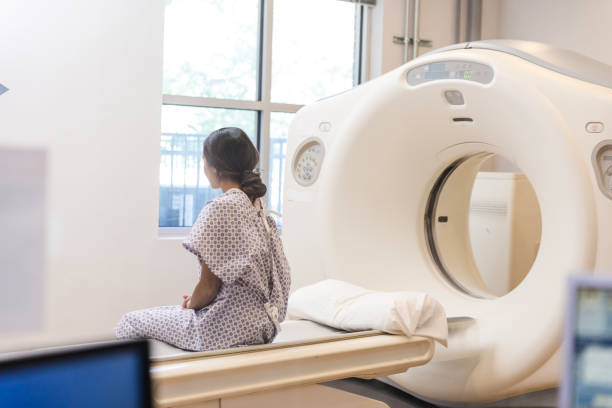
When cancer goes undetected due to medical negligence, it doesn’t just affect the patient—it impacts the entire family. Missed or delayed diagnoses often mean more invasive treatments, reduced survival chances, and, in the worst cases, preventable deaths. Families who suffer these tragedies often ask the same question: “Can we sue for delayed cancer diagnosis?”
The answer depends on whether medical professionals failed to meet the accepted standard of care. At Buckeye Law Group, we help families across Ohio navigate these complex cases and seek justice when delayed diagnosis leads to irreversible harm.
When Does a Delayed Diagnosis Become Medical Malpractice?
Not every late diagnosis qualifies as malpractice. To prove negligence, three key elements must exist:
- A doctor-patient relationship – The healthcare provider owed you a duty of care.
- Breach of duty – The provider failed to meet accepted medical standards (for example, by ignoring symptoms or failing to order appropriate tests).
- Causation and damages – The delay directly caused harm, such as worsening of the cancer, more invasive treatment, or loss of life expectancy.
If these elements can be proven, you may have a valid malpractice claim.
Examples of Negligence in Cancer Misdiagnosis Cases
Some of the most common forms of medical negligence that lead to delayed cancer diagnoses include:
- Failure to follow screening guidelines: Missing recommended mammograms, colonoscopies, or Pap tests.
- Diagnostic errors: Misreading imaging studies, failing to interpret lab results correctly, or overlooking biopsy findings.
- Communication failures: Failing to notify patients of abnormal test results in a timely manner.
- Ignoring patient symptoms: Brushing off persistent pain, bleeding, or fatigue without adequate testing.
- Inadequate follow-up: Not referring the patient to a specialist when red flags arise.
Each of these failures represents a missed opportunity to detect cancer early and potentially save a life.
What Families Can Recover in a Lawsuit
In Ohio, families may pursue compensation for both economic and non-economic losses resulting from medical negligence. This can include:
- Gastos médicos (pasados y futuros)
- Lost wages and diminished earning potential
- Dolor y sufrimiento
- Loss of companionship or consortium (for spouses and family members)
- Funeral and burial expenses in wrongful death cases
Every case is unique, and the value of a claim depends on the severity of harm and the degree of negligence involved.
Time Limits for Filing a Cancer Misdiagnosis Claim
Ohio law limits the time you have to file a medical malpractice claim. Typically, you must file within one year from when you discovered—or should have discovered—the negligence. In some cases, this period can be extended, but acting quickly is crucial to preserve your rights and evidence.
Why Legal Representation Matters
Medical malpractice cases involving delayed cancer diagnoses are complex, requiring medical experts, in-depth record analysis, and a deep understanding of Ohio malpractice law. The healthcare provider’s insurance company will fight hard to deny responsibility, which is why having an experienced legal team is essential.
At Buckeye Law Group, our attorneys have extensive experience handling delayed diagnosis cases. We:
- Work with oncologists and pathologists to build strong medical evidence.
- Handle all communication and negotiation with hospitals and insurers.
- Fight for maximum compensation to cover the lifelong impact of negligence.
Standing Up for What’s Right
No family should suffer because of a doctor’s failure to detect cancer when it could have been treated. Whether you’re seeking justice for a loved one’s suffering or holding a hospital accountable for preventable harm, you don’t have to face the system alone.
👉 Contact Buckeye Law Group today for a free consultation. Our legal team will review your case, explain your options, and help you pursue justice for delayed cancer diagnosis in Ohio.
Where Serious Crashes Occur in Columbus: A Data-Driven Guide to Local Roadway Risks
Understanding where serious crashes occur in Columbus can help you recognize roadway risks before your next trip. This guide draws on publicly available local crash data and safety reports to
Pedestrian Accident Near The University of Akron: What to Do and How to Protect Your Rights
A pedestrian accident near The University of Akron can interrupt your education, work, and daily life without warning. You may face medical bills, missed classes, and questions about who will
Is Ohio a No-Fault State for Car Accidents?
Ohio is not a no-fault state for car accidents. Ohio uses an at-fault, or tort, system, which means the person who caused the crash is generally responsible for the resulting
Who Pays Medical Bills After a Truck Accident in Columbus Ohio?
After a serious truck crash in Columbus, the hospital does not wait for the insurance companies to finish arguing about fault. Medical bills usually start with the coverage available right
What Is My Car Accident Case Worth in Columbus Ohio Factors That Affect Compensation
The value of an Ohio car accident case in Columbus depends on the losses you can prove, the seriousness of your injuries, available insurance, and how fault is divided. There
Injured at a Columbus Apartment Complex? What Tenants and Visitors Should Document
A fall at a Columbus apartment complex can raise more than immediate medical concerns when a dangerous property condition may have contributed to the injury. For tenants and lawful visitors,
What Happens After a Personal Injury Lawsuit Is Filed in Franklin County?
Filing a personal injury lawsuit in Franklin County, OH, places your claim within a formal court process governed by procedural rules and deadlines. After filing, the defendant must be served
What to Do After a Hit-and-Run Accident in Columbus, Ohio
A hit-and-run accident in Columbus, OH, or the neighboring communities can leave you hurt, shaken, and unsure how to prove what happened. The right response is simple but urgent: get
Injured as a Passenger in a Columbus Car Accident? Understanding Your Options
If you were injured as a passenger in a Columbus car accident, you may have more options than you realize. Passengers are usually not the person blamed for the crash,
Who Pays Medical Bills While an Ohio Car Accident Claim Is Pending?
After a crash, medical care cannot wait for an insurance settlement. In Ohio, the person who caused the collision may ultimately be responsible for injury-related losses, but the at-fault driver’s

Buckeye Law Group represents people injured in auto accidents, slip and falls, workplace accidents and more in Ohio. Contact us today to learn more.
© 2026 Todos los derechos reservados | The Buckeye Law Group Inc. Políticade privacidad Mapa del sitio
Ubicaciones de las oficinas
- Akron Office 388 S Main St #400 Akron, OH 44311 (330) 426-0288
- Cincinnati Office 201 E 5th St Ste 1910 Cincinnati, OH 45202 (513) 547-2445
- Cleveland Office 127 Public Square Ste 1540 Cleveland, OH 44114 (216) 677-5490
- Columbus Office 20 E Broad St Suite 300 Columbus, OH 43215 (614) 482-3793
- Dayton Office 70 Birch Alley Ste 240 Dayton, OH 45440 (937) 884-4474
- Euclid Office 25701 N Lakeland Blvd Suite 113-C, Cleveland, OH 44132 (216) 405-2626
- Mansfield Office 305 E Main St Ste 6A, Mansfield, OH 44904 (567) 210-2606
- Findlay Office 7430 Timberstone Dr unit 101a, Findlay, OH 45840 419-873-5119
- Mentor Office 7537 Mentor Ave Ste 101, Mentor, OH 44060 (440) 306-3536
- Middletown Office 300 N Main St #400, Middletown, OH 45042 (326) 800-9150
- Parma Office 1257 Rockside Rd #A, Parma, OH 44131 (216) 279-1664
- Springfield Office 2100 E High St Ste TL3, Springfield, OH 45505 (937) 806-5791
- Toledo Office 3950 Sunforest Ct Ste 200, Toledo, OH 43623 (567) 483-3883
- Westlake Office 26404 Center Ridge Rd Ste B2, Westlake, OH 44145 216-247-0565
- Whitehall Office 5340 E Main St Ste 203, Whitehall, OH 43213 (380) 257-5206
- Youngstown Office 306 Churchill Hubbard Rd, Youngstown, OH 44505 (234) 225-0683
Contáctenos
© 2026 Todos los derechos reservados | The Buckeye Law Group Inc. Políticade privacidad Mapa del sitio