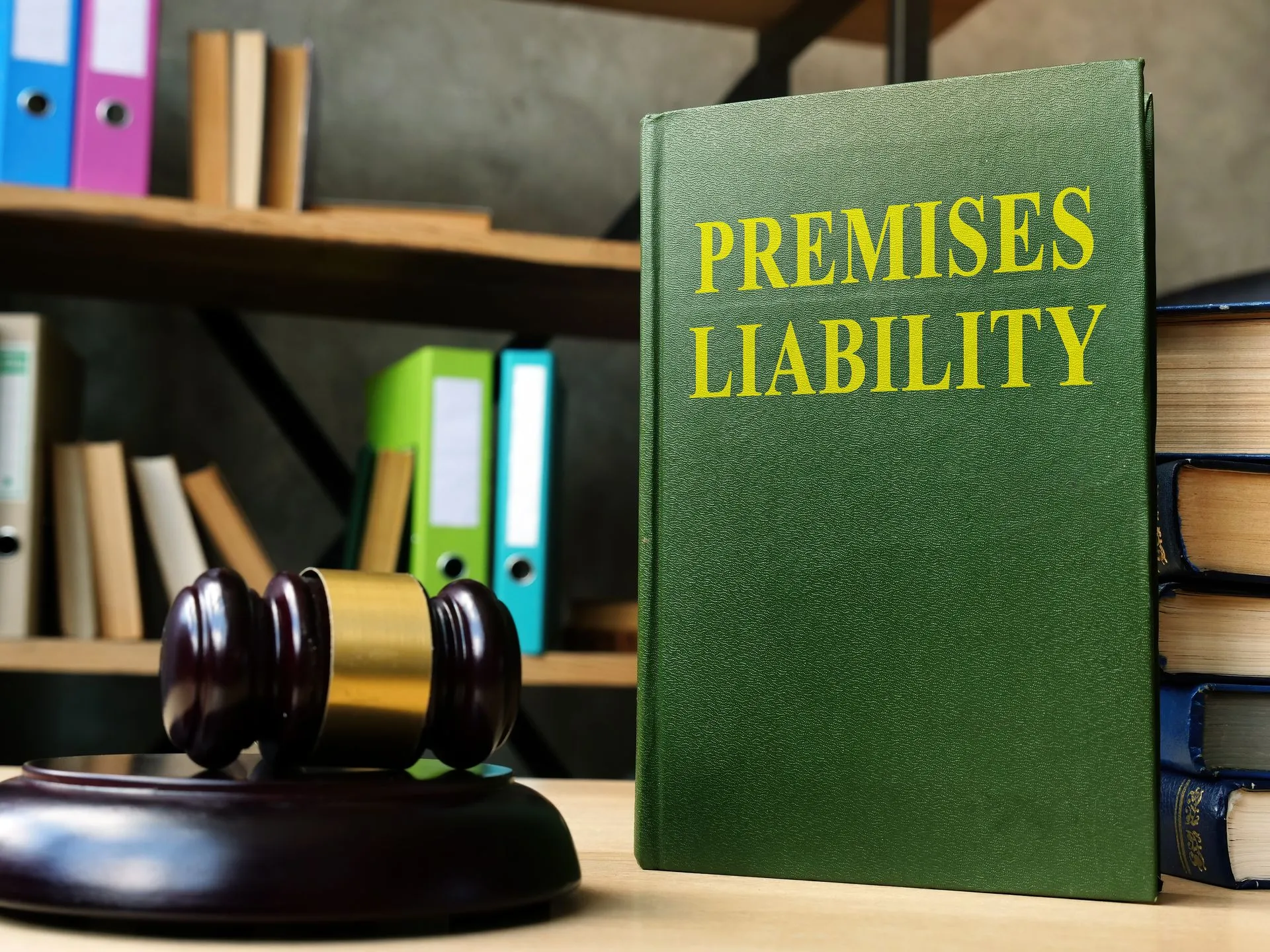
An injury on someone else’s property can leave you facing medical bills, missed work, and uncertainty about your next steps. You may wonder whether the property owner bears responsibility or whether your insurance carrier will support your claim. Premises liability refers to a property owner’s or another responsible party’s legal responsibility for injuries caused by unsafe property conditions. However, an accident alone does not establish fault. Ohio premises liability claims require careful review of the hazard, the parties involved, and the evidence connecting their conduct to your injury. Understanding these issues can help you make informed decisions while you focus on your recovery.
Call 1-800-411-7246 today to schedule a complimentary consultation with a local Ohio personal injury attorney from Buckeye Law Group.
How Does Premises Liability Differ From Personal Liability?
These terms describe related concepts, but they serve different purposes.
| Term | What it means |
|---|---|
| Personal Liability | Broadly, an individual’s legal responsibility for an injury or loss. The phrase also appears in certain insurance policies. |
| Responsabilidad civil por las instalaciones | Legal responsibility arising from an unsafe property condition, depending on the applicable duty and evidence. |
| Liability Insurance | Contractual coverage that may pay covered claims or provide a defense, subject to policy terms, limits, and exclusions. |
For example, a vehicle collision may raise questions about a driver’s legal responsibility. A fall caused by a defective stairway may raise premises liability questions. Insurance coverage requires a separate, more complex analysis. A policy’s existence does not establish negligence, and an injury does not guarantee payment.
What Conditions May Lead to a Premises Liability Claim?
Potential claims can involve unsafe conditions at stores, apartment complexes, restaurants, private homes, and other properties throughout Ohio. Examples include:
- Broken stairs or loose handrails.
- Wet floors or unattended spills.
- Uneven flooring or damaged walking surfaces.
- Poor lighting that makes a hazard difficult to detect.
- Falling merchandise or unstable displays.
- Obstructed hallways or entrances.
Snow and ice injuries require separate attention to Ohio’s rules governing winter conditions. A slippery surface alone does not establish responsibility. Whether an injury occurs in Columbus, Cleveland, Cincinnati, Akron, Dayton, Toledo, or another Ohio community, the specific circumstances matter. An attorney must determine what caused the injury and which legal duties applied.
What Must an Ohio Premises Liability Claim Establish?
A negligence claim generally requires evidence of a duty, a breach of that duty, causation, and damages. In practical terms, the investigation asks:
- Duty: What responsibility did the defendant owe the injured person?
- Breach: Did the defendant fail to meet that responsibility?
- Causation: Did that failure cause the injury?
- Damages: What resulting losses can the injured person establish?
Who Controlled the Property?
Ownership is an important starting point, but it may not answer every question. A tenant, business operator, property manager, or contractor may have relevant responsibilities. Lease terms, maintenance agreements, and repair records can help identify who controlled the area or undertook particular work. Responsibility should follow the evidence, rather than assumptions about whose name appears on the building.
What Did the Responsible Party Know?
An investigation may examine whether the responsible party created the hazard, knew about it, or reasonably should have discovered it. Useful questions include:
- Had anyone previously reported the condition?
- Were inspections or repairs documented?
- How long had the hazard existed?
- Did an employee or contractor create it?
- Were warnings present before the injury?
You do not need to answer every question before seeking assistance. Identifying missing evidence is part of evaluating a claim.
How Does the Open and Obvious Doctrine Affect a Claim?
Ohio’s open and obvious doctrine can eliminate a landowner’s common-law duty concerning an open and obvious hazard. It can therefore prevent recovery under a common-law negligence theory. However, statutory duties require separate analysis. In Robinson v. Bates, the Ohio Supreme Court explained that the doctrine does not eliminate a landlord’s statutory repair duty. The injured person still must establish causation and damages. Do not assume a claim succeeds or fails solely because someone says the hazard was visible. The condition, surrounding circumstances, and applicable duties require careful review.
What About Injuries at Rental Properties?
Ohio law requires residential landlords to perform certain repairs and keep common areas safe and sanitary. These duties appear in Ohio Revised Code §5321.04. For an apartment injury, preserve maintenance requests, photographs, management responses, and prior complaints you already possess. Document when you reported the problem and what happened afterward. A broken stairway, defective handrail, or unresolved repair request may warrant investigation. A statutory duty does not make every injury the landlord’s responsibility.
What Should You Do After an Injury on Someone Else’s Property?
- Put Your Health First: Seek appropriate medical attention. Explain how the incident occurred and describe your symptoms accurately. Keep treatment instructions and follow-up appointment information. Do not delay care while waiting for an incident report or insurance response.
- Report the Incident and Preserve the Details: Notify the property owner, manager, or business as soon as reasonably possible. Provide a factual account and request a copy of any incident report. Record the date, time, exact location, and names of the people you notified. If no report is provided, retain your own written account.
- Photograph the Hazard When Safe: Capture close-up and wider photographs showing the condition and its surroundings. Include lighting, warning signs, walking surfaces, and nearby landmarks. Preserve original files. Keep footwear and damaged belongings in their post-incident condition when practical. If your injuries prevent documentation, a trusted family member may help when safe and permitted.
- Identify Evidence That Could Disappear: Save witness contact information and note nearby security cameras. Tell your local Ohio attorney promptly about possible recordings because footage may be overwritten. A dedicated attorney can assess preservation requests and lawful methods for obtaining inspection logs, repair records, and other critical evidence to your claim. You are not expected to obtain private business records yourself.
How Can You Document the Injury’s Effect on Your Family?
Maintain an organized record of medical expenses, missed work, and changes in daily activities. Include receipts for injury-related expenses and records of assistance you require. Describe limitations specifically. For example, record difficulty climbing stairs, driving, caring for children, or performing required job duties. Keep entries accurate and factual. These details help explain how the injury affected your life beyond the initial accident.
Frequently Asked Questions About Ohio Premises Liability
- Is premises liability limited to slip-and-fall accidents? No. Claims may also involve falling merchandise, defective stairs, or other unsafe property conditions. The circumstances determine the applicable duties and evidence required.
- Does the property owner’s insurance automatically pay my medical bills? No. Liability coverage and medical-payments coverage serve different purposes and depend on the policy. Some medical-payments coverage may pay eligible expenses without requiring proof of fault, subject to policy conditions and limits. Liability coverage generally involves the insured’s legal responsibility. Ask which coverage the insurer is evaluating. Before signing a settlement release, understand which claims and future losses it would resolve.
- How long do I have to file an Ohio premises liability lawsuit? Many bodily-injury lawsuits must be filed within two years under Ohio Revised Code §2305.10. Exceptions and other claim-specific rules can affect the deadline. Do not assume that reporting an incident or negotiating with an insurer extends the filing period. Have the deadline evaluated promptly by a local Ohio premises liability attorney.
- Can I recover compensation if I was partly at fault? Potentially. Under Ohio Revised Code §2315.33, shared fault generally reduces compensatory damages proportionally. Recovery is barred when your fault exceeds the combined fault of the other responsible persons. An insurer’s allegation does not, by itself, establish your percentage of fault.
- What if I do not have photographs or an incident report? Missing documentation does not automatically determine the outcome. Witness accounts, medical records, communications, or other available evidence may help establish what happened. Write down what you remember and identify potential sources of information. Explain what you personally observed, and distinguish it from information others provided.
Speak With an Ohio Premises Liability Attorney About Your Next Steps
You should not have to navigate unanswered questions about a property injury while managing your recovery. Buckeye Law Group can review the circumstances, identify potential sources of evidence, and explain the legal issues affecting your options. Bring any available photographs, records, correspondence, and questions about medical bills or missed work. You do not need a complete file before requesting a consultation.
Learn more about our premises liability practice by filling out our online contact form or calling our office at 1-800-411-7246 to schedule a free consultation.
*This article provides general educational information and does not constitute legal advice for your particular circumstances. Reading it or contacting Buckeye Law Group does not, by itself, establish an attorney-client relationship. Your rights and filing deadlines depend on the facts and applicable law. Every case is different, and prior results do not guarantee a similar outcome.*
Is Ohio a No-Fault State for Car Accidents?
Ohio is not a no-fault state for car accidents. Ohio uses an at-fault, or tort, system, which means the person who caused the crash is generally responsible for the resulting
Who Pays Medical Bills After a Truck Accident in Columbus Ohio?
After a serious truck crash in Columbus, the hospital does not wait for the insurance companies to finish arguing about fault. Medical bills usually start with the coverage available right
What Is My Car Accident Case Worth in Columbus Ohio Factors That Affect Compensation
The value of an Ohio car accident case in Columbus depends on the losses you can prove, the seriousness of your injuries, available insurance, and how fault is divided. There
Injured at a Columbus Apartment Complex? What Tenants and Visitors Should Document
A fall at a Columbus apartment complex can raise more than immediate medical concerns when a dangerous property condition may have contributed to the injury. For tenants and lawful visitors,
What Happens After a Personal Injury Lawsuit Is Filed in Franklin County?
Filing a personal injury lawsuit in Franklin County, OH, places your claim within a formal court process governed by procedural rules and deadlines. After filing, the defendant must be served
What to Do After a Hit-and-Run Accident in Columbus, Ohio
A hit-and-run accident in Columbus, OH, or the neighboring communities can leave you hurt, shaken, and unsure how to prove what happened. The right response is simple but urgent: get
Injured as a Passenger in a Columbus Car Accident? Understanding Your Options
If you were injured as a passenger in a Columbus car accident, you may have more options than you realize. Passengers are usually not the person blamed for the crash,
Who Pays Medical Bills While an Ohio Car Accident Claim Is Pending?
After a crash, medical care cannot wait for an insurance settlement. In Ohio, the person who caused the collision may ultimately be responsible for injury-related losses, but the at-fault driver’s
Cleveland Premises Liability Lawyers: Understanding Property Injury Claims in Ohio
How Cleveland Premises Liability Lawyers Evaluate Property Injury Claims Under Ohio Law A serious injury on someone else’s property can raise immediate questions about medical bills, responsibility, and your next
How Long Does an Auto Accident Settlement Take in Ohio? A Guide to the Claims Process
Ohio Auto Accident Settlement Timeline: What to Expect From Claim to Payout An Ohio auto accident settlement can move quickly when injuries are minor, liability is clear, and records are
Buckeye Law Group represents people injured in auto accidents, slip and falls, workplace accidents and more in Ohio. Contact us today to learn more.
© 2026 Todos los derechos reservados | The Buckeye Law Group Inc. Políticade privacidad Mapa del sitio
Ubicaciones de las oficinas
- Akron Office 388 S Main St #400 Akron, OH 44311 (330) 426-0288
- Cincinnati Office 201 E 5th St Ste 1910 Cincinnati, OH 45202 (513) 547-2445
- Cleveland Office 127 Public Square Ste 1540 Cleveland, OH 44114 (216) 677-5490
- Columbus Office 20 E Broad St Suite 300 Columbus, OH 43215 (614) 482-3793
- Dayton Office 70 Birch Alley Ste 240 Dayton, OH 45440 (937) 884-4474
- Euclid Office 25701 N Lakeland Blvd Suite 113-C, Cleveland, OH 44132 (216) 405-2626
- Mansfield Office 305 E Main St Ste 6A, Mansfield, OH 44904 (567) 210-2606
- Findlay Office 7430 Timberstone Dr unit 101a, Findlay, OH 45840 419-873-5119
- Mentor Office 7537 Mentor Ave Ste 101, Mentor, OH 44060 (440) 306-3536
- Middletown Office 300 N Main St #400, Middletown, OH 45042 (326) 800-9150
- Parma Office 1257 Rockside Rd #A, Parma, OH 44131 (216) 279-1664
- Springfield Office 2100 E High St Ste TL3, Springfield, OH 45505 (937) 806-5791
- Toledo Office 3950 Sunforest Ct Ste 200, Toledo, OH 43623 (567) 483-3883
- Westlake Office 26404 Center Ridge Rd Ste B2, Westlake, OH 44145 216-247-0565
- Whitehall Office 5340 E Main St Ste 203, Whitehall, OH 43213 (380) 257-5206
- Youngstown Office 306 Churchill Hubbard Rd, Youngstown, OH 44505 (234) 225-0683
Contáctenos
© 2026 Todos los derechos reservados | The Buckeye Law Group Inc. Políticade privacidad Mapa del sitio