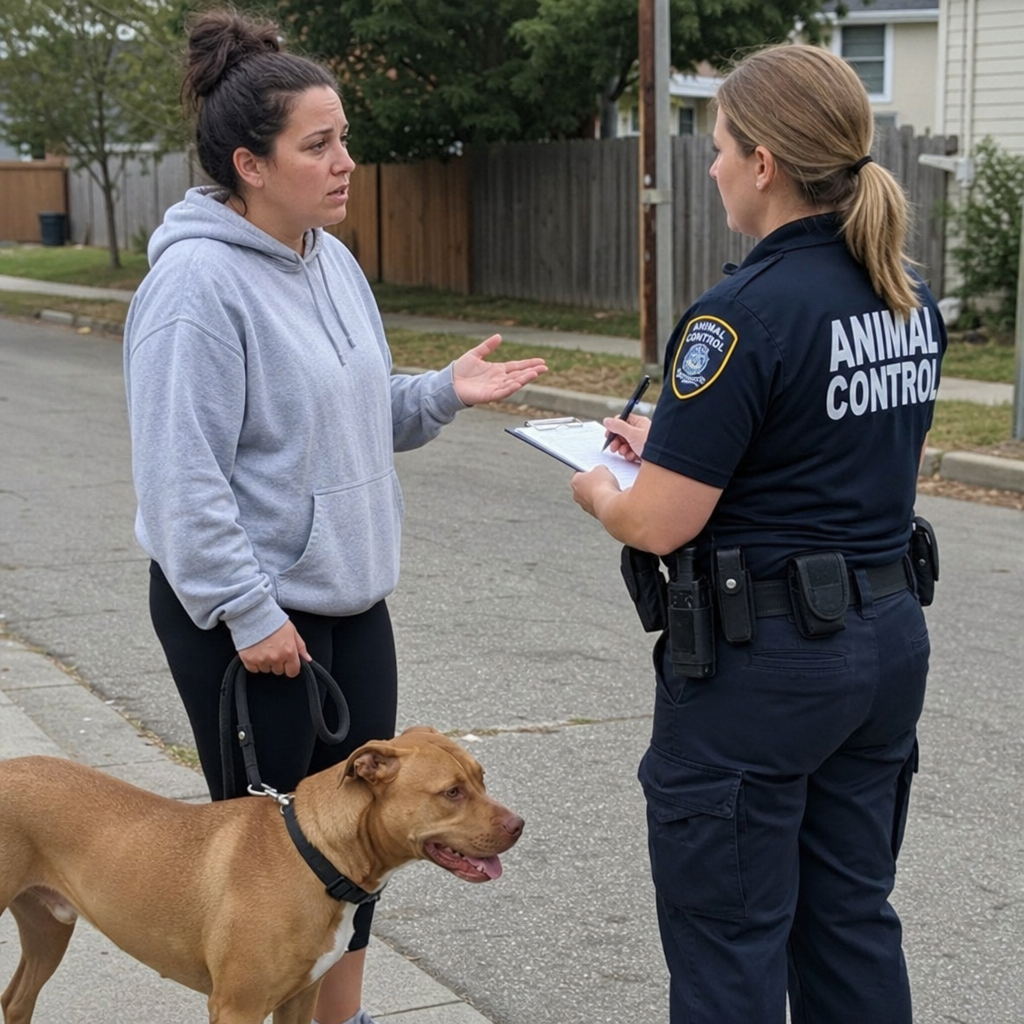
A dog bite can turn an ordinary walk, delivery stop, visit, or neighborhood errand into a confusing medical and legal situation. In Dayton and the surrounding Montgomery County area, the aftermath usually involves medical care, reporting, documentation, and questions about dog bite liability under Ohio dog laws. This guide explains what typically happens next, what information to preserve, and how to think about the dog bite laws Dayton, Ohio, residents may encounter.
Call (937) 884-4474 or request a free consultation to discuss your case with a Dayton dog bite attorney at Buckeye Law Group.
What should you do immediately after a dog bite?
After a dog bite, your first priority is safety and medical care: get away from the dog, clean the wound if you can, seek prompt treatment, and report the incident to the proper local authority. Even when the injury seems small, bites can involve puncture wounds, infection risk, scarring, nerve damage, or emotional distress, so it is smart to take the incident seriously from the beginning.
If the dog is still loose or threatening people, move to a safe location and call for emergency help. If the wound is bleeding heavily, involves the face, hands, joints, a child, or if you are unsure about the dog’s vaccination status, urgent medical attention is especially important. A healthcare provider can evaluate the wound, discuss infection prevention, and create a medical record that may matter later. Use this quick checklist while details are still fresh:
- Get To Safety First: Do not try to restrain or confront the dog if doing so puts you at risk of another attack.
- Clean And Cover The Wound: Basic first aid can help, but it should not replace medical evaluation.
- Identify The Dog And Owner If Possible: Write down names, addresses, phone numbers, and any license or tag information.
- Take Photos: Photograph injuries, torn clothing, blood, the location, gates, fences, leashes, warning signs, and anything else connected to the attack.
- Get Witness Information: Neighbors, delivery workers, park visitors, or passersby may have seen what happened.
- Report The Bite: Reporting creates a record and helps local officials evaluate whether the dog poses an ongoing risk.
- Avoid Detailed Recorded Statements Too Soon: Stick to basic facts until you understand your injuries and rights.
Reporting the bite in Dayton and Montgomery County
Dog bites are not only private disputes between the injured person and the dog owner. They can also be public health and animal-control matters. Ohio law says a healthcare provider or licensed veterinarian with knowledge of a person being bitten or injured by a dog or other non-human mammal must report it to the health commissioner of the health district where the bite occurred within 24 hours; the injured person may also report the bite or injury.
For dog problems in Montgomery County, the county directs people during listed business hours to call the Montgomery County Animal Resource Center, contact local police, or call 911 for emergency assistance. The county also explains that animal-control or police personnel may catch and contain the dog, interview witnesses, gather evidence, decide whether citations are appropriate, and determine whether the dog should be designated as nuisance, dangerous, or vicious under Ohio law.
That local process can matter for everyone involved. For the injured person, it may help confirm which dog was involved and whether there were prior issues. For the community, it can help officials decide whether the owner must follow additional containment, licensing, or safety rules. For the dog owner, it creates a formal chance to understand what is being alleged and respond through the process described by the agency.
How Ohio dog bite liability works
Ohio’s dog bite liability rule is important because it does not always require the injured person to prove that the dog had bitten someone before. Under Ohio Revised Code Section 955.28, the owner, keeper, or harborer of a dog is liable for injury, death, or loss to a person or property caused by the dog, subject to specific exceptions. Those exceptions include situations involving certain criminal conduct, criminal trespass, or teasing, tormenting, or abusing the dog on the owner’s, keeper’s, or harborer’s property.
A claim may focus on who owned, kept, or harbored the dog; whether the dog caused the injury; where the incident happened; and whether any statutory defense applies. The words “keeper” and “harborer” can matter because the responsible person may not always be only the legal owner. For example, someone caring for a dog, controlling it, or allowing it to live at a property could become part of the liability discussion depending on the facts. Ohio dog attack laws may also involve separate administrative or criminal issues if a dog is considered dangerous or vicious. Those designations are not the same thing as a civil injury claim, but they can overlap with the same incident. A person can be focused on medical bills and recovery while animal-control officials are separately focused on public safety and owner compliance.
What does “nuisance,” “dangerous,” or “vicious” mean?
In broad terms, these labels describe escalating levels of risk or harm. Montgomery County summarizes that a nuisance dog has acted in a menacing way but has not bitten anyone, a dangerous dog has caused physical harm to a person or killed another dog, and a vicious dog has caused serious physical harm to, or caused the death of, a person.
Ohio’s statutory definitions are more detailed. The Revised Code describes a “dangerous dog act” to include certain unprovoked conduct, such as causing injury by physical contact to a person in a menacing fashion or apparent attitude of attack, causing serious injury without physical contact, killing another dog, or seriously injuring another dog in a way that results in euthanasia. It also describes “nuisance dog act” conduct such as chasing, approaching, attempting to bite, or otherwise endangering a person under specific circumstances.
These labels can lead to practical consequences for the owner, such as special restrictions or containment requirements. For an injured person, the designation process may feel separate from recovery, but it can still be relevant. It may help document the seriousness of the event, identify witnesses, or show whether officials believed additional safeguards were needed.
Medical care and records shape what happens next
The medical side of a dog bite often develops over time. A person may first notice bleeding and pain, then later deal with swelling, infection concerns, stitches, limited movement, numbness, scarring, or anxiety around dogs. Children may need extra attention because facial injuries, fear, and long-term scarring can affect daily life in ways that are not obvious on day one. Good records make the aftermath easier to understand. Keep discharge papers, prescriptions, follow-up instructions, invoices, receipts, photos of healing, and notes about missed work or school. If your doctor recommends follow-up visits, therapy, scar evaluation, or specialist care, save those records too.
It also helps to keep a simple recovery journal. You do not need dramatic language; short, dated notes are enough. Write down pain levels, sleep problems, difficulty using a hand or arm, fear of walking in the neighborhood, or tasks you cannot do. Those details can explain the real impact of the injury better than a stack of bills alone.
Evidence that can make a difference
Dog bite cases often turn on everyday facts: where everyone was standing, whether the dog was loose, whether a gate was open, whether the owner had control, and what happened in the seconds before the bite. Because memories fade and conditions quickly change, early documentation is valuable. Try to preserve:
- Photos and videos of the injury, the dog if safe to photograph, the location, damaged property, and visible hazards.
- The dog owner’s information, including name, address, phone number, and insurance information if offered.
- Witness names and contact details, even if the witness only saw the aftermath.
- Animal-control or police report numbers so records can be requested later.
- Medical records and bills from urgent care, emergency care, primary care, specialists, pharmacies, and therapy.
- Proof of losses, such as missed-work documentation, mileage to appointments, replacement clothing, or other out-of-pocket costs.
- Messages about the incident, including texts, emails, voicemail, or social media posts from the owner or witnesses.
Avoid altering photos with filters or captions that obscure the original image. Save original files when possible. If there is security-camera or doorbell footage nearby, ask quickly because many systems overwrite video after a short period of time.
Insurance, compensation, and common points of dispute
After a dog bite, the injured person may hear from a homeowner’s insurer, renter’s insurer, business insurer, or the dog owner directly. Insurance can be helpful because it may provide a source of payment for covered losses, but adjusters still evaluate claims carefully. They may ask where the bite occurred, whether the injured person had permission to be there, whether the dog was provoked, and how serious the injuries are.
Potential losses may include emergency treatment, follow-up care, medication, scar treatment, lost income, damaged property, and pain or emotional distress. The value of any claim depends on the facts, the medical outcome, available coverage, and legal issues. It is usually too early to evaluate the full impact before the wound has healed and doctors understand whether any scarring, nerve symptoms, or mobility problems will remain.
Be careful with quick settlement offers. A fast payment can feel reassuring when bills start arriving, but a release may close the claim before you know the full cost of treatment. If the injury is significant, involves a child, affects the face or hands, or causes lasting symptoms, consider getting legal guidance before signing anything.
Deadlines and why waiting can hurt your claim
Ohio personal injury claims are generally subject to filing deadlines. Ohio Revised Code Section 2305.10 is commonly cited for the rule that an action for bodily injury or injury to personal property must be brought within two years after the cause of action accrues.
That does not mean you should wait nearly two years to get organized. Reports can become harder to obtain, witnesses can move, camera footage can disappear, and the dog owner’s insurance information may be harder to confirm. Acting early does not mean rushing into a lawsuit; it means protecting the facts while they are still available.
There may also be special issues if the bite happened at work, on government property, at a rental property, at a business, or while the injured person was performing delivery or service work. Those situations can involve workers’ compensation, premises liability questions, contract issues, or notice requirements. The safest approach is to ask questions early instead of assuming every dog bite follows the same path.
Key takeaways for Dayton residents
If you are trying to understand what happens after a dog bite in Dayton, Ohio, think of the process in four parts: care, reporting, documentation, and liability. Each part supports the next. Medical care protects your health, reporting creates an official record, documentation preserves the facts, and liability analysis determines who may be financially responsible. Keep these points in mind:
- Ohio dog laws can make an owner, keeper, or harborer responsible for injuries caused by a dog, but exceptions may apply.
- A reported bite may trigger public health and animal-control steps, not just an insurance claim.
- Local officials may investigate and consider whether the dog should be classified as nuisance, dangerous, or vicious.
- Photos, witness information, medical records, and report numbers are easier to gather early than weeks later.
- Do not assume a minor-looking bite is minor until a healthcare provider has evaluated it and healing is complete.
What to Do After a Dog Bite in Dayton, Ohio
Dog bites are stressful because they combine pain, fear, medical decisions, and legal uncertainty all at once. You do not have to know every detail of dog bite laws in Dayton, Ohio, on the day it happens, but you should take practical steps right away: get treatment, report the incident, save evidence, and be cautious with statements or settlement paperwork. If the bite caused meaningful injury, involved a child, happened at work, or led to a dispute with the dog owner or insurer, speaking with a qualified local Ohio attorney can help you understand how the law applies to your specific situation.
Call (937) 884-4474 or request a free consultation to discuss your legal options with a Dayton dog bite attorney at Buckeye Law Group today.
*This article provides general information about dog bite claims in Dayton, Ohio, and the legal considerations injured individuals and families may face after a dog attack. This article is intended for educational purposes only and does not constitute legal advice for your specific circumstances. Reading this article or contacting Buckeye Law Group does not, by itself, create an attorney-client relationship. Dog bite claims may involve questions about dog ownership, liability, insurance coverage, medical treatment, injury documentation, lost income, available damages, and applicable filing deadlines. Evaluating a potential dog bite claim requires a careful review of the circumstances surrounding the attack, available evidence, applicable Ohio law, insurance policies, and the extent of the injuries and resulting losses. Consult a qualified Dayton dog bite attorney for guidance regarding your legal rights, available options, and the deadlines that may apply to your claim. Every case is different, and prior results do not guarantee a similar outcome.*
Most dangerous roads and intersections in Akron Ohio
Akron has plenty of everyday driving pinch points: quick merges, busy arterials, short downtown blocks, and neighborhood streets where drivers, walkers, and cyclists all share a common space. The latest
What Happens After a Dog Bite in Dayton, Ohio?
A dog bite can turn an ordinary walk, delivery stop, visit, or neighborhood errand into a confusing medical and legal situation. In Dayton and the surrounding Montgomery County area, the
Wrongful Death Lawyers in Akron and How Local Ohio Attorneys Can Provide the Legal Resources Your Family Deserves
When a loved one dies because of another person’s carelessness, unsafe choices, or misconduct, the family is left with grief, unanswered questions, and often sudden financial pressure. Ohio law allows
How Can Cleveland Wrongful Death Lawyers Help Families Protect Their Rights and Pursue Compensation?
When a preventable death changes your family’s future, the legal process can feel impossible to face. Wrongful death lawyers in Cleveland can help families understand Ohio law, preserve evidence, deal
How to Document Lost Wages After a Columbus Car Accident
After a Columbus car accident, lost wage documentation is the paper trail that shows how your injuries reduced your income. The stronger that trail is, the easier it is to
How Can a Personal Injury Attorney Help After a Bicycle Accident in Middletown, Ohio?
A bicycle crash can turn an ordinary ride into a medical, financial, and legal problem in seconds. If you were hurt in a Middletown bicycle accident, a personal injury attorney
Columbus Bicycle Accidents and What to Do After A Crash
A bicycle crash can turn an ordinary ride through Columbus into a medical, financial, and legal problem in seconds. Whether the collision happens near Downtown, in the University District, along
Injured in a Columbus Rental Car Accident? Which Insurance Documents Matter
A rental car crash can turn into an insurance maze quickly, especially when someone is injured. After a Columbus rental car accident, the documents that matter most are the ones
Dog Bite at a Columbus Home or Apartment What Information Should You Preserve
A dog bite in a home, rental unit, hallway, courtyard, or apartment complex can become both a medical emergency and a legal problem within minutes. The information you preserve immediately
Pain That Appears After a Columbus Car Accident Documenting Symptoms and Treatment
Pain after a crash does not always show up at the scene. Many people walk away from a Columbus auto accident feeling shaken but “mostly fine,” only to wake up

Buckeye Law Group represents people injured in auto accidents, slip and falls, workplace accidents and more in Ohio. Contact us today to learn more.
© 2026 Todos los derechos reservados | The Buckeye Law Group Inc. Políticade privacidad Mapa del sitio
Ubicaciones de las oficinas
- Akron Office 388 S Main St #400 Akron, OH 44311 (330) 426-0288
- Cincinnati Office 201 E 5th St Ste 1910 Cincinnati, OH 45202 (513) 547-2445
- Cleveland Office 127 Public Square Ste 1540 Cleveland, OH 44114 (216) 677-5490
- Columbus Office 20 E Broad St Suite 300 Columbus, OH 43215 (614) 482-3793
- Dayton Office 70 Birch Alley Ste 240 Dayton, OH 45440 (937) 884-4474
- Euclid Office 25701 N Lakeland Blvd Suite 113-C, Cleveland, OH 44132 (216) 405-2626
- Mansfield Office 305 E Main St Ste 6A, Mansfield, OH 44904 (567) 210-2606
- Findlay Office 7430 Timberstone Dr unit 101a, Findlay, OH 45840 419-873-5119
- Mentor Office 7537 Mentor Ave Ste 101, Mentor, OH 44060 (440) 306-3536
- Middletown Office 300 N Main St #400, Middletown, OH 45042 (326) 800-9150
- Parma Office 1257 Rockside Rd #A, Parma, OH 44131 (216) 279-1664
- Springfield Office 2100 E High St Ste TL3, Springfield, OH 45505 (937) 806-5791
- Toledo Office 3950 Sunforest Ct Ste 200, Toledo, OH 43623 (567) 483-3883
- Westlake Office 26404 Center Ridge Rd Ste B2, Westlake, OH 44145 216-247-0565
- Whitehall Office 5340 E Main St Ste 203, Whitehall, OH 43213 (380) 257-5206
- Youngstown Office 306 Churchill Hubbard Rd, Youngstown, OH 44505 (234) 225-0683
Contáctenos
© 2026 Todos los derechos reservados | The Buckeye Law Group Inc. Políticade privacidad Mapa del sitio