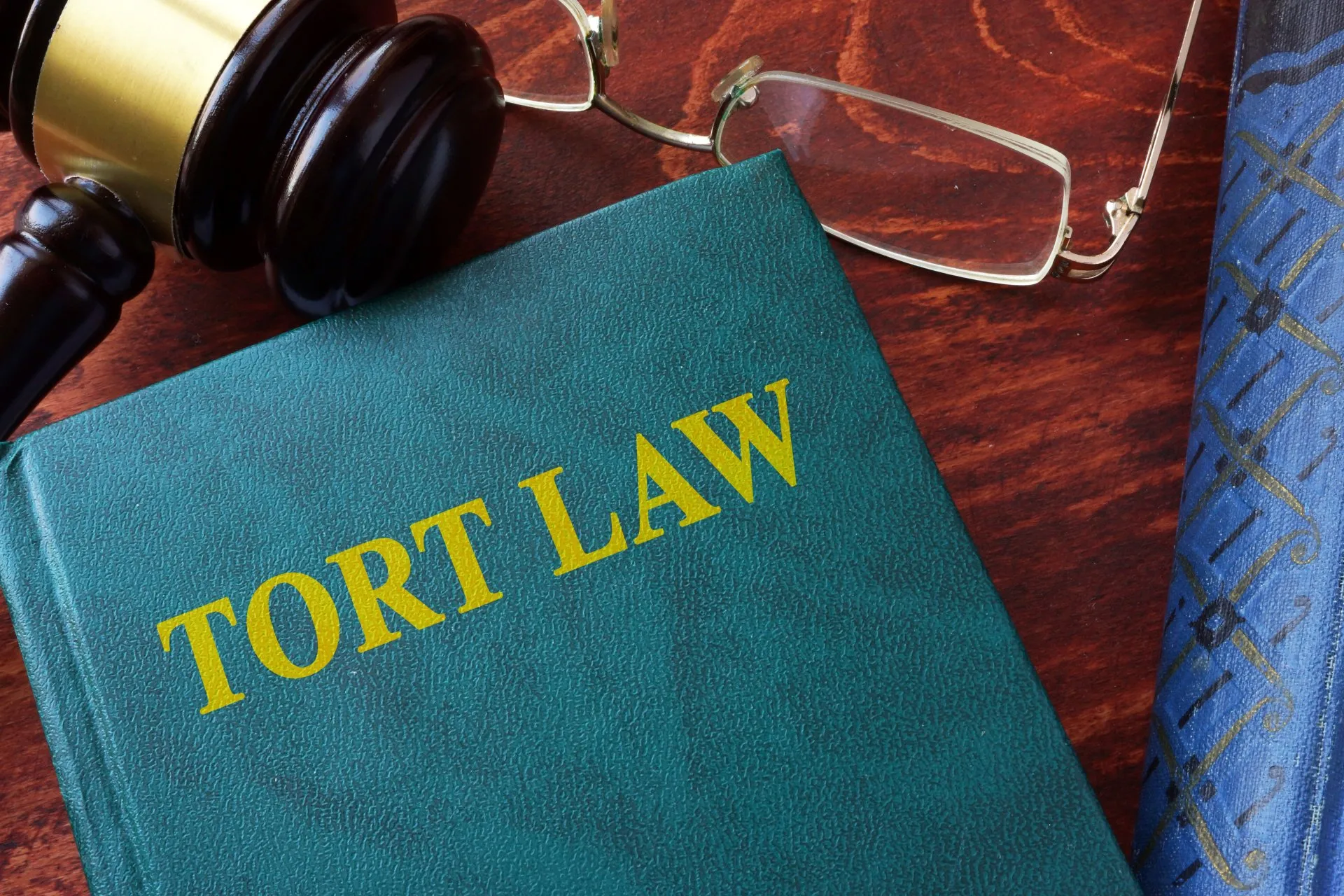
When you are injured in an accident or harmed by another person physically, mentally or emotionally, their wrongdoing is referred to as a “tort.” A tort is legal harm inflicted upon one party by another party’s action or non-action. Torts fall into one of two primary categories — intentional or unintentional (or negligence) torts.
You don’t have to be an individual in order to commit a tort. Companies, schools, businesses, manufacturers, retailers and other organizations can intentionally or unintentionally inflict harm on their customers, clients, students, employees, constituents, etc.
Ohio law protects those who have been injured by someone else’s wrongdoing. Victims of intentional or negligence torts should consider filing a personal injury claim in order to reach a resolution and receive compensation for any losses. Nearly all personal injury claims argue one of two things — the victim was injured on purpose by the defendant (intentional tort), or the victim was harmed as a result of the defendant’s negligence or carelessness (unintentional tort).
What Are Intentional Torts?
Intentional torts describe the injury or harm purposefully inflicted by someone else. These torts occur when a defendant either threatens to harm or intentionally harms another person. Intentional torts can often result in criminal charges depending on the situation or type of injury. An incident can still be considered an intentional tort claim even if no physical injury has actually occurred.
Examples of intentional torts may include:
- Assault
- Battery
- Fraud
- Libel or slander (i.e., defamation of character)
- Conversion
- False imprisonment
- Trespassing
What Are Unintentional Torts?
Unintentional or negligence torts describe the reckless or careless behavior that resulted in the injury or harm of someone else. While these torts are considered accidental, there is a reasonable standard of care that any individual or business must maintain to protect those around them. A defendant may not have wanted to inflict injury, but they may still be held responsible for their actions.
Examples of unintentional torts may include:
- Car accidents
- Truck accidents
- Bicycle accidents
- Slip and falls
- Dog bites
- Workplace accidents
- Medical malpractice
Key Elements of Unintentional Torts
In order to win an unintentional tort claim, you will likely need to prove all four elements exist:
- A duty of care existed – We are legally obligated to prevent foreseeable harm to others by exercising various types and levels of care depending on the circumstance or situation. For example, you have a duty of care to other people on the road when you operate a motor vehicle. This duty is codified in the traffic laws that apply to everyone.
- Breach of duty – A reasonably prudent person understands the level of care required to keep others safe in various scenarios. If a defendant disregards the standard of care that would normally be expected of a reasonable person, they have breached their legal duty of care.
- Causation – As the victim of a defendant who breached their duty of care, you must prove that your injuries were a direct result of their breach of duty. If you are unable to demonstrate the connection between your injuries and the defendant’s conduct, you will be unable to pursue a tort.
- Damages – In order to have a valid unintentional tort claim, you must be able to prove that you suffered damages as a result of the defendant’s negligence. Compensatory and non-compensatory damages will be awarded to you if you win your case. Compensatory damages include lost wages, medical bills, property damage and more. Non-compensatory damages include pain and suffering and emotional trauma.
Speak With an Ohio Personal Injury Attorney About Your Tort Claim
Have you been injured recently? An Ohio personal injury attorney can review your case and determine if it could be categorized as an intentional or unintentional tort claim.
The Buckeye Law Group team is ready to fight for the compensation you deserve after being wrongfully injured in a car accident, slip and fall, workplace incident or any other type of tort scenario.
Schedule a free personal injury consultation with us today by calling 1-800-411-PAIN.
Injured at a Columbus Apartment Complex? What Tenants and Visitors Should Document
A fall at a Columbus apartment complex can raise more than immediate medical concerns when a dangerous property condition may have contributed to the injury. For tenants and lawful visitors,
What Happens After a Personal Injury Lawsuit Is Filed in Franklin County?
Filing a personal injury lawsuit in Franklin County, OH, places your claim within a formal court process governed by procedural rules and deadlines. After filing, the defendant must be served
What to Do After a Hit-and-Run Accident in Columbus, Ohio
A hit-and-run accident in Columbus, OH, or the neighboring communities can leave you hurt, shaken, and unsure how to prove what happened. The right response is simple but urgent: get
Injured as a Passenger in a Columbus Car Accident? Understanding Your Options
If you were injured as a passenger in a Columbus car accident, you may have more options than you realize. Passengers are usually not the person blamed for the crash,
Who Pays Medical Bills While an Ohio Car Accident Claim Is Pending?
After a crash, medical care cannot wait for an insurance settlement. In Ohio, the person who caused the collision may ultimately be responsible for injury-related losses, but the at-fault driver’s
Cleveland Premises Liability Lawyers: Understanding Property Injury Claims in Ohio
How Cleveland Premises Liability Lawyers Evaluate Property Injury Claims Under Ohio Law A serious injury on someone else’s property can raise immediate questions about medical bills, responsibility, and your next
How Long Does an Auto Accident Settlement Take in Ohio? A Guide to the Claims Process
Ohio Auto Accident Settlement Timeline: What to Expect From Claim to Payout An Ohio auto accident settlement can move quickly when injuries are minor, liability is clear, and records are
How Buckeye Law Group’s Slip and Fall Injury Lawyers Help Injured Ohioans Understand Their Legal Options
Ohio Slip and Fall Injury Lawyers Helping You Understand Your Rights After a Serious Injury A slip and fall can turn an ordinary trip to a store, apartment building, workplace,
How Can an Ohio Truck Accident Lawyer Help You Protect Your Rights After a Commercial Truck Crash?
Legal Guidance After an Ohio Truck Accident: How an Ohio Truck Accident Lawyer Can Support Your Claim A truck accident lawyer from Buckeye Law Group can help injured individuals and
Should You Accept An Insurance Settlement Offer? Why Ohio Injury Victims Should Speak With An Attorney First
After an accident, an insurance settlement offer may provide welcome financial relief while medical bills and lost wages continue to accumulate. However, accepting an offer before the full extent of
Buckeye Law Group represents people injured in auto accidents, slip and falls, workplace accidents and more in Ohio. Contact us today to learn more.
© 2026 All Rights Reserved | The Buckeye Law Group Inc. Privacy Policy Sitemap
Office Locations
- Akron Office 388 S Main St #400 Akron, OH 44311 (330) 426-0288
- Cincinnati Office 201 E 5th St Ste 1910 Cincinnati, OH 45202 (513) 547-2445
- Cleveland Office 127 Public Square Ste 1540 Cleveland, OH 44114 (216) 677-5490
- Columbus Office 20 E Broad St Suite 300 Columbus, OH 43215 (614) 482-3793
- Dayton Office 70 Birch Alley Ste 240 Dayton, OH 45440 (937) 884-4474
- Euclid Office 25701 N Lakeland Blvd Suite 113-C, Cleveland, OH 44132 (216) 405-2626
- Mansfield Office 305 E Main St Ste 6A, Mansfield, OH 44904 (567) 210-2606
- Findlay Office 7430 Timberstone Dr unit 101a, Findlay, OH 45840 419-873-5119
- Mentor Office 7537 Mentor Ave Ste 101, Mentor, OH 44060 (440) 306-3536
- Middletown Office 300 N Main St #400, Middletown, OH 45042 (326) 800-9150
- Parma Office 1257 Rockside Rd #A, Parma, OH 44131 (216) 279-1664
- Springfield Office 2100 E High St Ste TL3, Springfield, OH 45505 (937) 806-5791
- Toledo Office 3950 Sunforest Ct Ste 200, Toledo, OH 43623 (567) 483-3883
- Westlake Office 26404 Center Ridge Rd Ste B2, Westlake, OH 44145 216-247-0565
- Whitehall Office 5340 E Main St Ste 203, Whitehall, OH 43213 (380) 257-5206
- Youngstown Office 306 Churchill Hubbard Rd, Youngstown, OH 44505 (234) 225-0683
Contact Us
© 2026 All Rights Reserved | The Buckeye Law Group Inc. Privacy Policy Sitemap