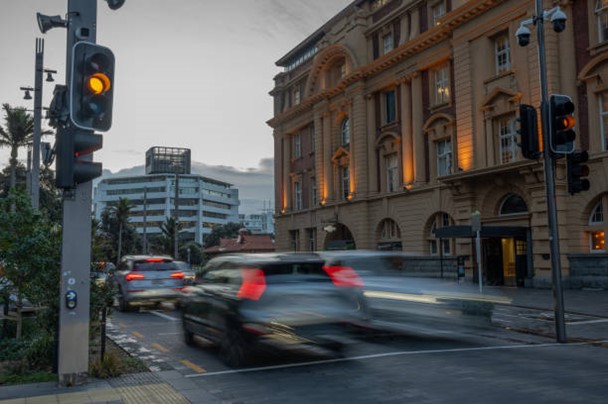
Every driver knows that red means stop—but when someone chooses to ignore that basic rule, the results can be devastating. Red light accidents are among the most violent and deadly types of collisions, often involving high-speed T-bone or head-on impacts. If you or someone you love has been injured by a driver who ran a red light, you have legal rights.
At Buckeye Law Group, we help crash victims seek justice and financial recovery after red light accidents. Here’s what you need to know about your legal options.
Why Are Red Light Accidents So Dangerous?
Red light crashes usually occur at busy intersections. When a driver disregards the signal and barrels through an intersection, they often collide with unsuspecting drivers, bicyclists, or pedestrians. The force of impact can be severe, leading to:
- Traumatic brain injuries (TBI)
- Spinal cord injuries
- Broken bones
- Internal bleeding
- Wrongful death
Victims may face lengthy hospital stays, surgery, and long-term rehabilitation—all while coping with the emotional toll of a preventable crash.
How is Liability Determined in a Red Light Crash?
To pursue a successful personal injury claim, you must prove that the other driver was at fault. Your legal team will gather evidence such as:
- Traffic camera or red light camera footage
- Eyewitness accounts
- Police accident reports
- Intersection layout and light timing logs
- Vehicle damage assessments
In many cases, red light cameras can play a critical role in proving a driver’s negligence. These automatic systems capture license plates and time-stamped violations, providing solid evidence that a driver ran the light.
What Compensation Can Victims Recover?
If you’ve been injured in a red light accident, you may be eligible to recover compensation for:
- Emergency medical care and ongoing treatment
- Lost income and lost earning potential
- Pain and suffering
- Emotional trauma or PTSD
- Vehicle repairs or replacement
- Punitive damages (in cases of extreme recklessness)
Insurance companies may offer quick settlements, but don’t accept anything without speaking to an attorney. You could be entitled to far more than they initially offer.
How Do I File a Personal Injury Lawsuit
If the at-fault driver’s insurance won’t cooperate or the damages exceed policy limits, your attorney may advise filing a personal injury lawsuit. This legal action can hold the driver accountable in civil court and help you recover the full value of your claim.
We’re Here to Help You Move Forward
If you or someone you love was hurt in a red light accident, you don’t have to navigate the legal system on your own. The experienced team at Buckeye Law Group is here to fight for your rights and secure the compensation you deserve.
Let’s talk about your case — Contact us now for a free case review.
How Much Should an Insurance Company Pay for Injuries After a Car Accident?
After an Ohio car accident, an insurance company may offer a settlement before the full extent of your injuries, anticipated medical treatment, or long-term financial losses becomes clear. Ohio law
What Happens If an Insurance Company Won’t Offer a Fair Settlement After a Car Accident?
After an Ohio car accident, an insurance settlement offer may arrive while medical treatment continues and fault remains disputed. If the insurance company won’t offer a fair settlement, you do
Toledo’s Summit Street Cycle Track: What the 2026–2027 Redesign Means for Cyclist and Pedestrian Safety
Toledo’s Summit Street Cycle Track project is a two-phase reconstruction intended to make a section of North Summit Street safer and more connected for people walking and bicycling. In 2026,
Greater Dayton’s 2026 E-Bike and E-Moto Safety Proposal: What Ohio Riders and Parents Should Know
Electric bicycles and other small electric-powered vehicles are becoming increasingly common on roads, neighborhood streets, and recreational trails throughout Greater Dayton. Their growing use also raises important questions about rider
Dayton’s Keowee Street Safety Project: How Lane Reductions and New Walking Paths Could Improve Roadway Safety
Dayton’s Keowee Street safety project would reduce the roadway from seven lanes to five between East Fifth Street and East Monument Avenue, adding multi-use paths, landscaping, and signal upgrades. The
Dayton I-75 Construction in November 2026: Lane Closures, Traffic Shifts, and Work-Zone Safety
Motorists traveling along I-75 through Dayton, Ohio, in November 2026 should be aware of multiple construction projects that may affect travel times, lane configurations, and access to nearby interchanges. According
Columbus I-70/I-71 Construction in November 2026: Ramp Closures, Detours, and Driver Safety
Motorists traveling through downtown Columbus, Ohio, in November 2026 should prepare for temporary traffic disruptions as construction continues along the I-70/I-71 corridor. Overnight interstate restrictions, ramp closures, and designated detours
Mansfield’s Main Street Transformation: What Drivers and Pedestrians Should Know About Downtown Traffic Changes in 2026
As Mansfield completes its 2026 Main Street Transformation, residents and visitors should understand how the redesigned streets affect access to downtown businesses, public buildings, pedestrian crossings, and nearby parking areas.
Toledo’s Douglas Road and Monroe Street Intersection Improvements: What Drivers and Pedestrians Should Know in 2026
The City of Toledo identifies the Douglas Road and Monroe Street intersection as a 2026 improvement project intended to support pedestrian safety, driver safety, and better pavement conditions. For people
Springfield’s South Limestone Street Safety Improvements: What Drivers Should Know
South Limestone Street in Springfield, Ohio, is the focus of safety improvements intended to reduce conflicts between vehicles entering, leaving, and traveling along the corridor. The Ohio Department of Transportation’s

Buckeye Law Group represents people injured in auto accidents, slip and falls, workplace accidents and more in Ohio. Contact us today to learn more.
© 2026 All Rights Reserved | The Buckeye Law Group Inc. Privacy Policy Sitemap
Office Locations
- Akron Office 388 S Main St #400 Akron, OH 44311 (330) 426-0288
- Cincinnati Office 201 E 5th St Ste 1910 Cincinnati, OH 45202 (513) 547-2445
- Cleveland Office 127 Public Square Ste 1540 Cleveland, OH 44114 (216) 677-5490
- Columbus Office 20 E Broad St Suite 300 Columbus, OH 43215 (614) 482-3793
- Dayton Office 70 Birch Alley Ste 240 Dayton, OH 45440 (937) 884-4474
- Euclid Office 25701 N Lakeland Blvd Suite 113-C, Cleveland, OH 44132 (216) 405-2626
- Mansfield Office 305 E Main St Ste 6A, Mansfield, OH 44904 (567) 210-2606
- Findlay Office 7430 Timberstone Dr unit 101a, Findlay, OH 45840 419-873-5119
- Mentor Office 7537 Mentor Ave Ste 101, Mentor, OH 44060 (440) 306-3536
- Middletown Office 300 N Main St #400, Middletown, OH 45042 (326) 800-9150
- Parma Office 1257 Rockside Rd #A, Parma, OH 44131 (216) 279-1664
- Springfield Office 2100 E High St Ste TL3, Springfield, OH 45505 (937) 806-5791
- Toledo Office 3950 Sunforest Ct Ste 200, Toledo, OH 43623 (567) 483-3883
- Westlake Office 26404 Center Ridge Rd Ste B2, Westlake, OH 44145 216-247-0565
- Whitehall Office 5340 E Main St Ste 203, Whitehall, OH 43213 (380) 257-5206
- Youngstown Office 306 Churchill Hubbard Rd, Youngstown, OH 44505 (234) 225-0683
Contact Us
© 2026 All Rights Reserved | The Buckeye Law Group Inc. Privacy Policy Sitemap