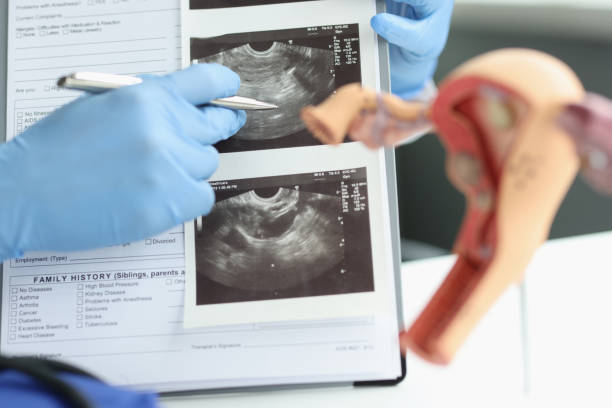
Hysterectomy is one of the most commonly performed surgeries for women in Ohio and across the country. While it is usually safe, errors during the procedure can lead to life-changing injuries that could have been avoided with proper care. When a surgeon fails to perform the operation safely, fails to monitor for complications, or ignores warning signs during or after surgery, the consequences can be devastating.
If you believe that your injury was caused by negligence, you may have grounds for a medical malpractice claim. Buckeye Law Group helps women throughout Ohio understand their rights and seek justice after preventable surgical harm.
Common Surgical Errors During Hysterectomy
Hysterectomies involve delicate structures in the pelvis—meaning even a small mistake can cause major complications. Some of the most common negligent injuries include:
1. Bladder Injuries
Bladder perforations or lacerations may occur when the surgeon:
- Uses improper technique
- Fails to identify anatomical variations
- Works too quickly or without proper visualization
Untreated bladder injuries can lead to infections, urinary leakage, and additional surgeries.
2. Ureter Damage
The ureters are highly vulnerable during hysterectomy. Surgical negligence may cause:
- Ureter cuts or burns
- Obstruction from improper sutures
- Failure to recognize the injury before closing
Delayed diagnosis can lead to kidney damage or loss of kidney function.
3. Bowel Perforation
Unrecognized bowel injuries can result in dangerous infections, sepsis, or emergency re-operations. Many perforations occur when:
- The surgeon mishandles instruments
- Adhesions are not safely separated
- Laparoscopic tools are used incorrectly
4. Excessive Bleeding
Improper ligation of blood vessels or careless use of cautery tools can cause hemorrhage, requiring transfusions or emergency intervention.
5. Retained Surgical Items
Leaving tools, sponges, or clamps inside the body is always negligence—not a complication.
Was the Injury a Known Risk or Medical Malpractice?
Not every surgical complication is malpractice. But negligence occurs when:
- The surgeon fails to follow accepted medical standards
- The hospital provides inadequate staffing or oversight
- Post-operative symptoms are ignored
- Delays occur in diagnosing or treating complications
A key question: Would a reasonably careful surgeon have prevented the injury?
If the answer is yes, you may have a claim.
How a Lawyer Proves Malpractice in Hysterectomy Cases
To win a malpractice case, your legal team must show:
- A provider-patient relationship existed
- The surgeon breached the standard of care
- This breach directly caused your injury
- You suffered measurable harm
Evidence often includes:
- Surgical records
- Imaging results
- Pathology reports
- Hospital communications
- Expert medical testimony
Compensation You May Be Entitled To
Women injured during hysterectomy may recover damages for:
- Additional medical treatment or corrective surgeries
- Long-term disability or chronic pain
- Lost wages or loss of earning ability
- Emotional trauma or diminished quality of life
Talk to the Women’s Health Malpractice Team at Buckeye Law Group
Our attorneys understand the physical and emotional toll that a surgical injury can cause. We will investigate what went wrong, consult with top medical experts, and fight to hold negligent medical providers accountable.
Contact Buckeye Law Group today for a free consultation:
https://www.buckeyeaccidentattorneys.com/#ContactUs
Where Serious Crashes Occur in Columbus: A Data-Driven Guide to Local Roadway Risks
Understanding where serious crashes occur in Columbus can help you recognize roadway risks before your next trip. This guide draws on publicly available local crash data and safety reports to
Pedestrian Accident Near The University of Akron: What to Do and How to Protect Your Rights
A pedestrian accident near The University of Akron can interrupt your education, work, and daily life without warning. You may face medical bills, missed classes, and questions about who will
Is Ohio a No-Fault State for Car Accidents?
Ohio is not a no-fault state for car accidents. Ohio uses an at-fault, or tort, system, which means the person who caused the crash is generally responsible for the resulting
Who Pays Medical Bills After a Truck Accident in Columbus Ohio?
After a serious truck crash in Columbus, the hospital does not wait for the insurance companies to finish arguing about fault. Medical bills usually start with the coverage available right
What Is My Car Accident Case Worth in Columbus Ohio Factors That Affect Compensation
The value of an Ohio car accident case in Columbus depends on the losses you can prove, the seriousness of your injuries, available insurance, and how fault is divided. There
Injured at a Columbus Apartment Complex? What Tenants and Visitors Should Document
A fall at a Columbus apartment complex can raise more than immediate medical concerns when a dangerous property condition may have contributed to the injury. For tenants and lawful visitors,
What Happens After a Personal Injury Lawsuit Is Filed in Franklin County?
Filing a personal injury lawsuit in Franklin County, OH, places your claim within a formal court process governed by procedural rules and deadlines. After filing, the defendant must be served
What to Do After a Hit-and-Run Accident in Columbus, Ohio
A hit-and-run accident in Columbus, OH, or the neighboring communities can leave you hurt, shaken, and unsure how to prove what happened. The right response is simple but urgent: get
Injured as a Passenger in a Columbus Car Accident? Understanding Your Options
If you were injured as a passenger in a Columbus car accident, you may have more options than you realize. Passengers are usually not the person blamed for the crash,
Who Pays Medical Bills While an Ohio Car Accident Claim Is Pending?
After a crash, medical care cannot wait for an insurance settlement. In Ohio, the person who caused the collision may ultimately be responsible for injury-related losses, but the at-fault driver’s

Buckeye Law Group represents people injured in auto accidents, slip and falls, workplace accidents and more in Ohio. Contact us today to learn more.
© 2026 All Rights Reserved | The Buckeye Law Group Inc. Privacy Policy Sitemap
Office Locations
- Akron Office 388 S Main St #400 Akron, OH 44311 (330) 426-0288
- Cincinnati Office 201 E 5th St Ste 1910 Cincinnati, OH 45202 (513) 547-2445
- Cleveland Office 127 Public Square Ste 1540 Cleveland, OH 44114 (216) 677-5490
- Columbus Office 20 E Broad St Suite 300 Columbus, OH 43215 (614) 482-3793
- Dayton Office 70 Birch Alley Ste 240 Dayton, OH 45440 (937) 884-4474
- Euclid Office 25701 N Lakeland Blvd Suite 113-C, Cleveland, OH 44132 (216) 405-2626
- Mansfield Office 305 E Main St Ste 6A, Mansfield, OH 44904 (567) 210-2606
- Findlay Office 7430 Timberstone Dr unit 101a, Findlay, OH 45840 419-873-5119
- Mentor Office 7537 Mentor Ave Ste 101, Mentor, OH 44060 (440) 306-3536
- Middletown Office 300 N Main St #400, Middletown, OH 45042 (326) 800-9150
- Parma Office 1257 Rockside Rd #A, Parma, OH 44131 (216) 279-1664
- Springfield Office 2100 E High St Ste TL3, Springfield, OH 45505 (937) 806-5791
- Toledo Office 3950 Sunforest Ct Ste 200, Toledo, OH 43623 (567) 483-3883
- Westlake Office 26404 Center Ridge Rd Ste B2, Westlake, OH 44145 216-247-0565
- Whitehall Office 5340 E Main St Ste 203, Whitehall, OH 43213 (380) 257-5206
- Youngstown Office 306 Churchill Hubbard Rd, Youngstown, OH 44505 (234) 225-0683
Contact Us
© 2026 All Rights Reserved | The Buckeye Law Group Inc. Privacy Policy Sitemap