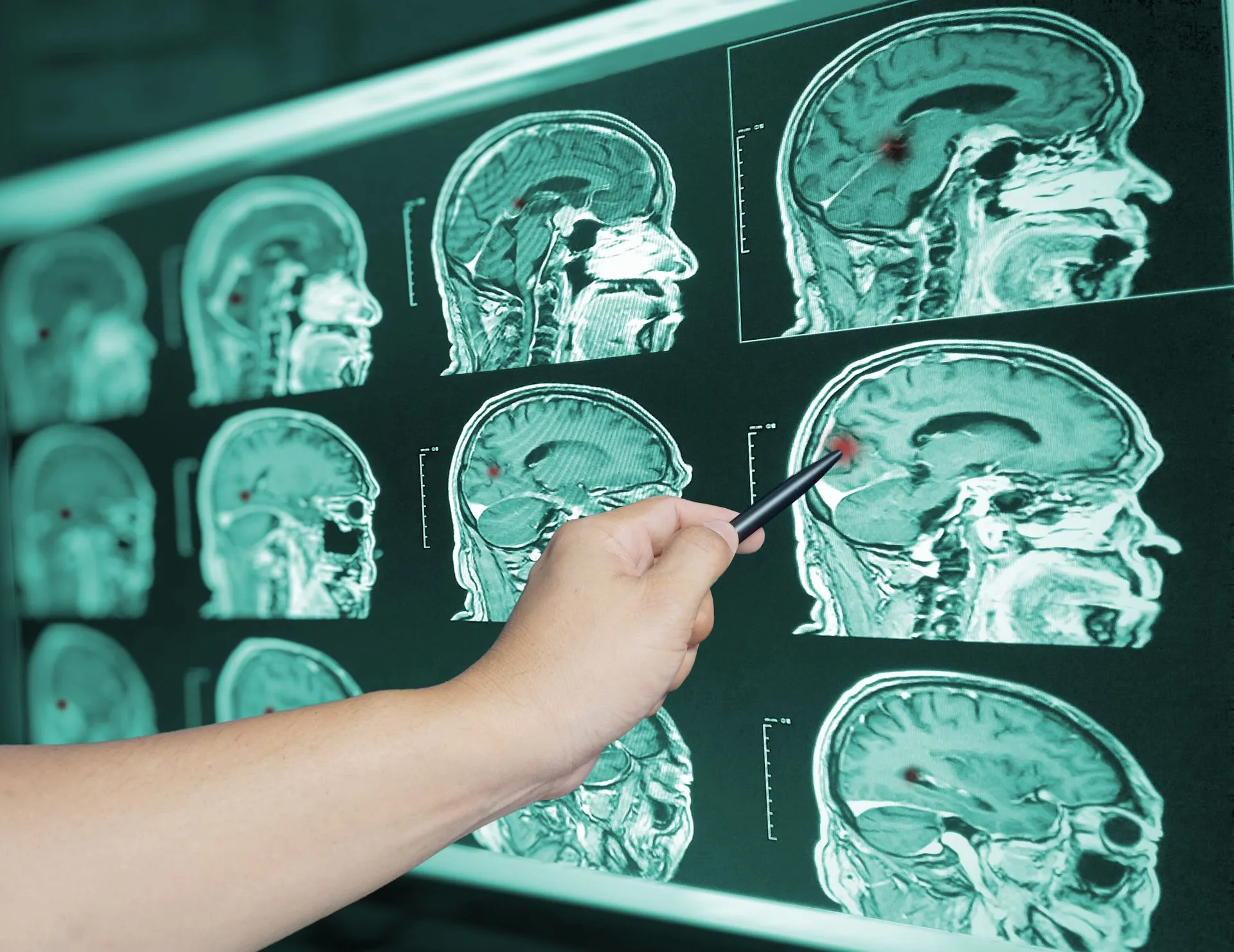
Proving a TBI was caused by medical malpractice is rarely straightforward.
If you are convinced you or your loved one’s traumatic brain injury was the direct result of a medical professional’s actions, it will be necessary to find expert witnesses to testify to the injury itself and the actions of the medical professionals who provided treatment. Your experts will need to provide a detailed explanation of how the treatment failed to meet standards of care and then draw a straight line between that breach of duty and the injuries and damages.
Proving these cases can be extremely complicated, and injured patients or families usually benefit from legal assistance provided by medical malpractice lawyers who have been through this process before.
Causes of Traumatic Brain Injuries
A traumatic brain injury can occur due to a slew of reasons, from car accidents and slip and falls to falling objects and physical assault. TBIs, including those caused by medical malpractice, can have serious and long-lasting effects on your health and overall wellbeing.
When you or a family member goes to the hospital to receive medical treatment like surgery, you expect to treatment and care to be safe and effective. Patients are entitled to a high level of expertise and compassionate care from doctors, nurses and other healthcare providers.
Unfortunately, a patient’s justified expectations don’t always align with reality. Medical malpractice encompasses a wide range of medical errors, some of which result in TBI or other life-changing injuries.
If you believe you or someone you love has suffered a TBI caused by medical malpractice, you may be entitled to financial compensation. Because of the inherent complexity of these cases, the need for expert witnesses and the resources of defendants, it’s usually beneficial to consult a personal injury lawyer to see if you have a valid personal injury case.
Which Types of Medical Malpractice Can Cause a Traumatic Brain Injury?
There are several types of medical malpractice that can potentially cause traumatic brain injury (TBI). Here are some examples:
Surgical errors: Mistakes made by surgeons during surgery can leave patients with traumatic and life-altering injuries. For instance, if a surgeon makes a mistake during brain surgery, fails to control bleeding or causes damage to surrounding brain tissues, patients may experience debilitating cognitive damage. However, not all negative surgical outcomes rise to the level of negligence or malpractice, which is one of the reasons why you’ll be required to receive detailed testimony from another brain surgeon regarding the performance of the surgery and the outcome.
Anesthesia errors: Anesthesia drugs are extraordinarily powerful. Their use must be precisely controlled by specialized physicians during surgeries. Anesthesia mistakes can result in a number of injuries, including TBI. Examples include situations in which the anesthesiologist administers the incorrect dosage of anesthesia, fails to monitor vital signs properly or delays the delivery of oxygen to the brain, resulting in brain damage.
Delayed diagnosis or misdiagnosis: Failing to timely diagnose or misdiagnosing conditions that can result in TBI, such as head trauma, infections or strokes, can prevent necessary treatment and potentially worsen the brain injury.
Birth injuries: Medical negligence during childbirth can lead to traumatic brain injury in newborns. Oxygen deprivation during labor and delivery, improper use of delivery instruments (especially in the use of forceps or vacuum extractors) or an obstetrician’s failure to respond to signs of fetal distress can result in TBI.
Infections and sepsis: Failure to diagnose or treat infections properly can result in sepsis, a systemic infection that can affect the brain and cause TBI if left untreated or mismanaged.
The specific circumstances of each case will determine the potential types of medical malpractice that can cause traumatic brain injuries. Not every example listed above will result in a TBI, and there are many instances where a TBI after a medical procedure might not meet the standards of medical malpractice or negligence.
It is vital to consult with other medical professionals to ascertain whether an anesthesiologist, surgeon or obstetrician made a critical error that another doctor would not have made given the same circumstances.
Signs of a TBI
There is significant diversity among traumatic brain injuries and their effects on people. TBIs can vary in severity and the signs can differ depending on the extent of the injury.
Symptoms of a TBI can affect both the body and the mind and include:
- Headaches or migraines
- Dizziness or loss of balance
- Nausea or vomiting
- Sensitivity to light or noise
- Fatigue or drowsiness
- Blurred vision or changes in vision
- Seizures or convulsions
- Difficulty sleeping or changes in sleep patterns
- Memory problems or difficulties with concentration and attention
- Confusion or disorientation
- Slowed thinking or processing information
- Mood swings, irritability or emotional changes
- Changes in taste or smell
- Ringing in the ears (tinnitus)
- Loss of coordination or fine motor skills
- Difficulty speaking or understanding language (aphasia)
You or your family member may not experience all these symptoms in the aftermath of a TBI. However, if you notice any of the signs listed above following a medical procedure, be sure to seek prompt medical attention.
Proving Your TBI Was Caused by Medical Malpractice
Once you’ve received a diagnosis of TBI and you have reason to believe there is an association between your brain injury and medical treatment, it’s time to see if you have a valid medical malpractice case. To find out, you’ll need to consult with a skilled medical malpractice lawyer, such as the attorneys at the Buckeye Law Group.
One of our medical malpractice attorneys will carefully go over the details including your medical records to see if a valid personal injury case exists. Medical records like hospital records, diagnostic test results, surgical reports, medication records and any other pertinent documentation will serve as vital evidence to support your case. We will also work with medical professionals to compile the necessary expert testimony to establish your surgeons or doctors breached their duty of care, causing the TBI.
Hold Your Ohio Healthcare Provider Accountable for the Harm They Have Caused
If your traumatic brain injury was caused by medical malpractice, know you’re not alone. The attorneys at the Buckeye Law Group are here to help you in your journey toward healing and financial recovery.
We’re ready to listen to your story, gather the necessary evidence and fight for the compensation you’re owed.
To schedule a free consultation, call our Ohio law office at 1-800-411-PAIN.
Can You Recover Compensation After a Motorcycle Accident in Dayton if You Were Not Wearing a Helmet?
A missing helmet does not automatically prevent an injured rider from seeking compensation after a motorcycle crash in Dayton. Ohio law looks at who caused the collision, whether the rider
Who Can File a Wrongful Death Lawsuit in Toledo, Ohio?
When someone dies as a result of another person’s negligence, recklessness, or wrongful conduct, Ohio law may allow surviving family members to seek compensation through a civil claim known as
Who Is Liable After a Commercial Truck Accident on I-75 Near Dayton?
A commercial truck crash on I-75 near Dayton can involve more than one responsible party. The driver may be part of the story, but truck accident liability often turns on
What Happens When a Pedestrian Is Hit by a Car in Downtown Dayton?
When a pedestrian is hit by a car in downtown Dayton, the first priorities are medical care, safety, and creating a clear record of what happened. After the scene is
How Do You Prove a Slip and Fall Injury Claim in Dayton, Ohio?
A slip and fall injury claim in Dayton, Ohio, usually comes down to evidence: what dangerous condition caused the fall, who was responsible for the property, whether they knew or
What Are Common Signs of Medical Malpractice in Toledo Hospitals?
Medical malpractice can be difficult to recognize because poor outcomes sometimes happen even when doctors, nurses, and hospitals do everything right. Still, certain warning signs may suggest that a preventable
How an Ohio car accident lawyer helps negotiate with insurance companies
After a crash, the insurance process can feel like a second accident: confusing, stressful, and full of pressure to make quick decisions. Understanding how an Ohio car accident lawyer helps
What Evidence is Needed After a Commercial Truck Accident in Akron, Ohio?
After a commercial truck crash in Akron, the strongest claim is usually built from evidence gathered quickly, preserved properly, and connected to the real cause of the collision. Useful evidence
Most dangerous roads and intersections in Akron, Ohio
Akron has plenty of everyday driving pinch points: quick merges, busy arterials, short downtown blocks, and neighborhood streets where drivers, walkers, and cyclists all share a common space. The latest
What Happens After a Dog Bite in Dayton, Ohio?
A dog bite can turn an ordinary walk, delivery stop, visit, or neighborhood errand into a confusing medical and legal situation. In Dayton and the surrounding Montgomery County area, the
Buckeye Law Group represents people injured in auto accidents, slip and falls, workplace accidents and more in Ohio. Contact us today to learn more.
© 2026 All Rights Reserved | The Buckeye Law Group Inc. Privacy Policy Sitemap
Office Locations
- Akron Office 388 S Main St #400 Akron, OH 44311 (330) 426-0288
- Cincinnati Office 201 E 5th St Ste 1910 Cincinnati, OH 45202 (513) 547-2445
- Cleveland Office 127 Public Square Ste 1540 Cleveland, OH 44114 (216) 677-5490
- Columbus Office 20 E Broad St Suite 300 Columbus, OH 43215 (614) 482-3793
- Dayton Office 70 Birch Alley Ste 240 Dayton, OH 45440 (937) 884-4474
- Euclid Office 25701 N Lakeland Blvd Suite 113-C, Cleveland, OH 44132 (216) 405-2626
- Mansfield Office 305 E Main St Ste 6A, Mansfield, OH 44904 (567) 210-2606
- Findlay Office 7430 Timberstone Dr unit 101a, Findlay, OH 45840 419-873-5119
- Mentor Office 7537 Mentor Ave Ste 101, Mentor, OH 44060 (440) 306-3536
- Middletown Office 300 N Main St #400, Middletown, OH 45042 (326) 800-9150
- Parma Office 1257 Rockside Rd #A, Parma, OH 44131 (216) 279-1664
- Springfield Office 2100 E High St Ste TL3, Springfield, OH 45505 (937) 806-5791
- Toledo Office 3950 Sunforest Ct Ste 200, Toledo, OH 43623 (567) 483-3883
- Westlake Office 26404 Center Ridge Rd Ste B2, Westlake, OH 44145 216-247-0565
- Whitehall Office 5340 E Main St Ste 203, Whitehall, OH 43213 (380) 257-5206
- Youngstown Office 306 Churchill Hubbard Rd, Youngstown, OH 44505 (234) 225-0683
Contact Us
© 2026 All Rights Reserved | The Buckeye Law Group Inc. Privacy Policy Sitemap