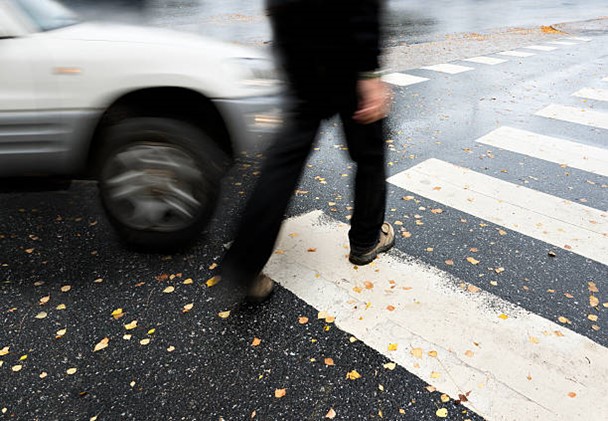
Pedestrians have the right to walk safely without fear of being hit by negligent drivers. Unfortunately, careless, distracted, or reckless drivers often put pedestrians at risk. When a pedestrian is struck by a vehicle, the injuries can be catastrophic—resulting in broken bones, brain injuries, spinal cord injuries, or even death. At Buckeye Law Group, we believe injured pedestrians deserve justice and full compensation.
Understanding Pedestrian Legal Rights
If you are a pedestrian hit by a negligent driver, you have specific legal rights under Ohio law. These rights include:
- The Right to Pursue Compensation – You may be entitled to financial compensation for medical bills, lost wages, pain and suffering, and more.
- The Right to File a Personal Injury Claim – You can file a claim against the at-fault driver’s insurance company.
- The Right to Seek Non-Economic Damages – You may be compensated for emotional distress, permanent disability, and reduced quality of life.
- The Right to Legal Representation – You have the right to hire an experienced personal injury attorney to protect your interests.
Common Causes of Pedestrian Accidents
Pedestrian accidents often result from negligent or reckless driving behaviors, such as:
- Distracted Driving – Texting, talking on the phone, or using GPS while driving.
- Failure to Yield – Ignoring crosswalks or pedestrian right-of-way.
- Speeding – Driving too fast to stop safely.
- Running Red Lights or Stop Signs – Ignoring traffic signals.
- Driving Under the Influence – Alcohol or drug impairment reduces reaction times and judgment.
Proving Negligence in a Pedestrian Accident Case
To recover compensation, you must prove that the driver was negligent. This involves showing:
- The Driver Owed You a Duty of Care – All drivers must exercise caution and follow traffic laws.
- The Driver Breached That Duty – Through careless, reckless, or illegal actions.
- You Suffered Injuries – Physical, emotional, or financial harm.
- The Driver’s Negligence Caused Your Injuries – Direct connection between the driver’s actions and your injuries.
What To Do After Being Hit as a Pedestrian
- Call 911 immediately and seek medical attention.
- Gather contact information of the driver and any witnesses.
- Take photos of the scene, your injuries, and the vehicle.
- Avoid speaking with insurance adjusters without legal counsel.
- Contact an experienced personal injury attorney right away.
How Buckeye Law Group Can Help
Our attorneys fight aggressively to hold negligent drivers accountable and recover maximum compensation for injured pedestrians. We handle all negotiations with insurance companies so you can focus on healing.
Call 800-411-PAIN or complete our contact form for a free, no-obligation case consultation today.
Mansfield’s Main Street Transformation: What Drivers and Pedestrians Should Know About Downtown Traffic Changes in 2026
As Mansfield completes its 2026 Main Street Transformation, residents and visitors should understand how the redesigned streets affect access to downtown businesses, public buildings, pedestrian crossings, and nearby parking areas.
Toledo’s Douglas Road and Monroe Street Intersection Improvements: What Drivers and Pedestrians Should Know in 2026
The City of Toledo identifies the Douglas Road and Monroe Street intersection as a 2026 improvement project intended to support pedestrian safety, driver safety, and better pavement conditions. For people
Springfield’s South Limestone Street Safety Improvements: What Drivers Should Know
South Limestone Street in Springfield, Ohio, is the focus of safety improvements intended to reduce conflicts between vehicles entering, leaving, and traveling along the corridor. The Ohio Department of Transportation’s
Middletown’s 2026 Safe Streets and Roads for All Initiative: What Residents Should Know
Middletown, Ohio’s Safe Streets and Roads for All (SS4A) effort is best understood as a road-safety planning-and-delivery process funded through the U.S. Department of Transportation. For residents following this community
Euclid’s Lakeshore Boulevard Pedestrian Safety Improvements: What Drivers and Walkers Should Know
Euclid’s Lakeshore Boulevard pedestrian safety improvements aim to enhance roadway visibility, provide safer crossing opportunities, and strengthen connections between Downtown Euclid, Sims Park, and the Lake Erie waterfront. The City
Cincinnati’s Victory Parkway Safety Improvements: What Drivers and Pedestrians Should Know in 2026
Cincinnati’s Victory Parkway Improvement Project represents a significant investment in roadway safety, pedestrian accessibility, and transportation infrastructure. Overseen by the Cincinnati Department of Transportation & Engineering (DOTE), the project includes
What Greater Akron’s latest crash data reveals about roadway safety and serious injuries
Greater Akron’s latest regional crash report shows fewer crashes overall, but serious injuries remain a concern. The Akron Metropolitan Area Transportation Study’s 2022–2024 analysis separates encouraging declines in fatalities from
Why Is St. Clair Avenue One of Cleveland’s Most Dangerous Roads? Crash Data and Safety Improvements Explained
St. Clair Avenue’s danger comes into focus when you look beyond fender-benders to deaths and life-changing injuries. Cleveland reports at least 14 people killed and 79 seriously injured between East
Dayton’s 2026 Road Safety Action Plan: What Local Crash Data Reveals About Dangerous Driving Conditions
The City of Dayton, Ohio, has adopted a comprehensive Safe Streets and Roads for All (SS4A) Safety Action Plan to address traffic fatalities, serious injuries, and hazardous roadway conditions throughout
Cleveland’s 2026 Daylight Saving Time Change: Earlier Darkness, Pedestrian Safety, and Ohio Traffic Laws
Cleveland’s daylight saving time ends on Sunday, November 1, 2026, at 2:00 a.m., when clocks move backward one hour and Northeast Ohio returns to Eastern Standard Time (EST). While the

Buckeye Law Group represents people injured in auto accidents, slip and falls, workplace accidents and more in Ohio. Contact us today to learn more.
© 2026 All Rights Reserved | The Buckeye Law Group Inc. Privacy Policy Sitemap
Office Locations
- Akron Office 388 S Main St #400 Akron, OH 44311 (330) 426-0288
- Cincinnati Office 201 E 5th St Ste 1910 Cincinnati, OH 45202 (513) 547-2445
- Cleveland Office 127 Public Square Ste 1540 Cleveland, OH 44114 (216) 677-5490
- Columbus Office 20 E Broad St Suite 300 Columbus, OH 43215 (614) 482-3793
- Dayton Office 70 Birch Alley Ste 240 Dayton, OH 45440 (937) 884-4474
- Euclid Office 25701 N Lakeland Blvd Suite 113-C, Cleveland, OH 44132 (216) 405-2626
- Mansfield Office 305 E Main St Ste 6A, Mansfield, OH 44904 (567) 210-2606
- Findlay Office 7430 Timberstone Dr unit 101a, Findlay, OH 45840 419-873-5119
- Mentor Office 7537 Mentor Ave Ste 101, Mentor, OH 44060 (440) 306-3536
- Middletown Office 300 N Main St #400, Middletown, OH 45042 (326) 800-9150
- Parma Office 1257 Rockside Rd #A, Parma, OH 44131 (216) 279-1664
- Springfield Office 2100 E High St Ste TL3, Springfield, OH 45505 (937) 806-5791
- Toledo Office 3950 Sunforest Ct Ste 200, Toledo, OH 43623 (567) 483-3883
- Westlake Office 26404 Center Ridge Rd Ste B2, Westlake, OH 44145 216-247-0565
- Whitehall Office 5340 E Main St Ste 203, Whitehall, OH 43213 (380) 257-5206
- Youngstown Office 306 Churchill Hubbard Rd, Youngstown, OH 44505 (234) 225-0683
Contact Us
© 2026 All Rights Reserved | The Buckeye Law Group Inc. Privacy Policy Sitemap