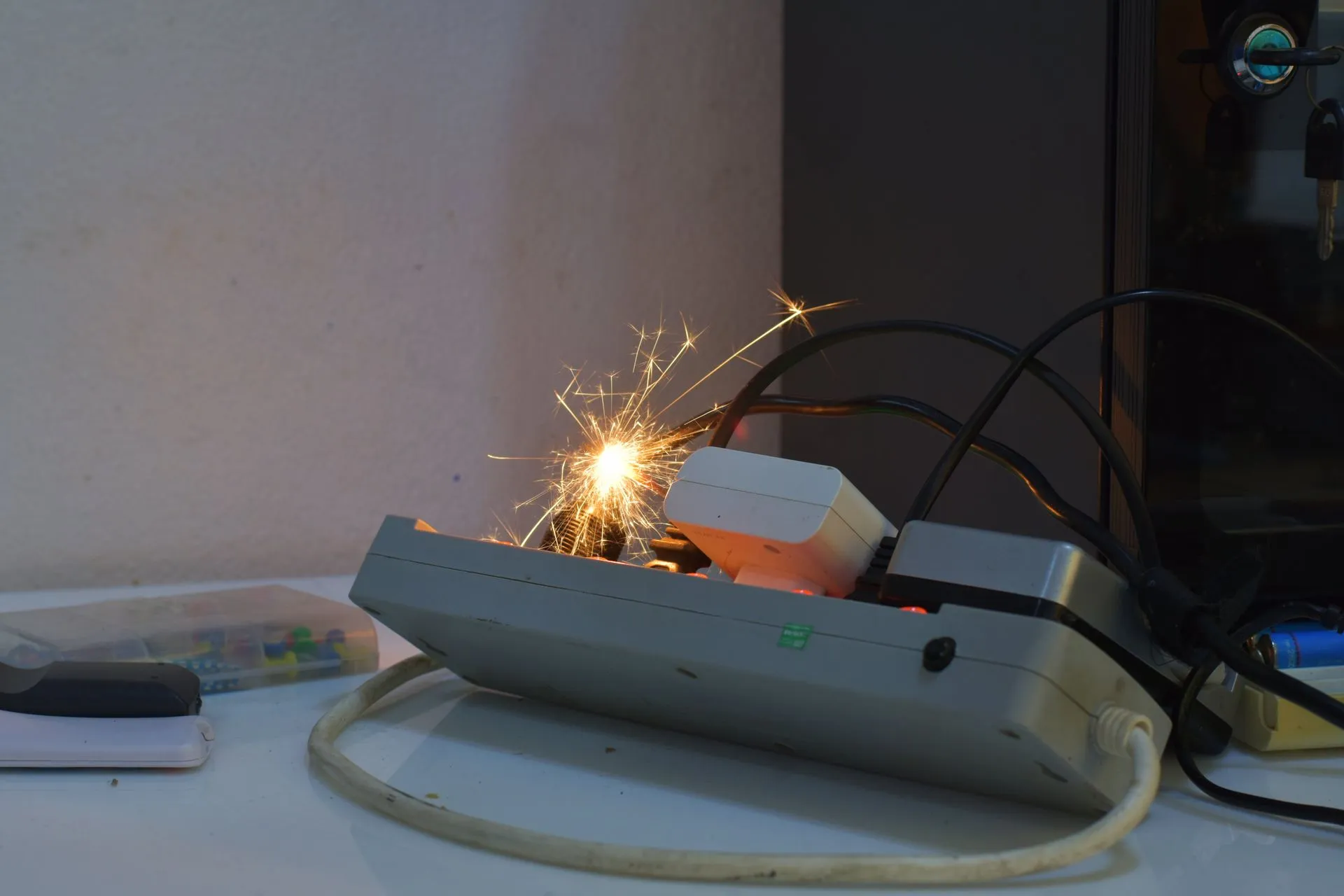
Every year, thousands of defective products enter the market. From electronics and cars to children’s toys and pharmaceuticals, the list of products that can be potentially flawed and dangerous is long.
Most people who purchase a defective product simply feel ripped off and must purchase a replacement or alternative product. Unfortunately, there are some consumers who suffer far more than just some lost money. There are countless potential scenarios every year where a defective product can cause you and your loved ones harm. According to the National Safety Council, there were more than 11.7 million product injuries in the U.S. in 2021 alone.
These injuries can be particularly tragic for families when the defective product is a toy that injures a child. In such situations, knowing the steps to take is crucial to protect your rights and seek compensation for your injuries.
1. Seek Medical Attention
There are many important steps to take if you were injured by a defective product, but protecting your health should always be a top priority. If you are injured, be sure to seek prompt emergency help. Even if your symptoms seem minor, never ignore them, as your condition might worsen if left untreated. What’s more, medical records will play a vital role in your injury claim, establishing the extent of your injuries and the compensation to which you’re entitled.
2. Preserve the Evidence
Your claim is only as strong as the evidence you can produce. Although many manufacturers of defective products issue recalls, you’ll still need to show the product you purchased had a defect that led to your injury.
Keep the product in a safe place, along with any packaging, instructions and receipts. If possible, take photos of the product and the scene of the incident. This evidence will be valuable when establishing the cause of the defect and the resulting injuries.
3. Document Your Injuries and Expenses
Keep a detailed record of your injuries, symptoms and any medical treatment you receive. This includes doctor visits, hospital stays, medications, therapy and other related expenses.
Consider keeping a journal to document the impact of the injuries on your daily life, such as missed workdays and activities you can no longer participate in due to the injuries.
4. Identify the Manufacturer and Distributor
Determine who the manufacturer, distributor and seller of the defective product are. This information will be necessary to establish who is liable for the defect.
Collect any available information, such as names, addresses and contact details. This information will be essential for potential legal actions.
5. Consult with a Personal Injury Attorney
Contacting a skilled personal injury attorney who has experience in product liability cases may be crucial. An experienced attorney will carefully evaluate your case, help you gather evidence and guide you through the legal process. These cases are often brought against large corporate interest and well-funded insurance company defense teams. Having experience representation will ensure you have competent help when negotiating a fair settlement with the insurance company.
6. Do Not Alter or Repair the Product
Refrain from throwing away, repairing or altering the defective product in any way. If you do so, you may compromise the evidence needed to prove that the product was indeed defective.
Leave the product in its original condition for proper evaluation.
7. Keep Communication Records
If you’ve had any communication with the manufacturer, distributor, seller or the Consumer Product Safety Commission (CPSC) regarding the defective product, keep records of emails, letters or phone calls. These records can provide valuable insight into how they responded to your concerns and can be useful during legal proceedings.
8. File a Complaint
If you and your personal injury attorney determine that you have a valid claim, you may need to file a formal complaint against the manufacturer, distributor or seller. This typically involves drafting legal documents and submitting them to the appropriate court, which is something your attorney can do on your behalf.
9. Pursue Compensation
Your personal injury attorney will negotiate with the responsible parties to seek compensation for your injuries, medical expenses, pain and suffering, lost wages and other damages. If a fair settlement cannot be reached, your attorney may advise you to pursue litigation.
Discuss Your Claim with an Ohio Defective Product Lawyer
If you’re a resident of Ohio and you’ve been injured by a defective product, the attorneys at the Buckeye Law Group are eager to hear your story.
We proudly serve the Cleveland, Columbus, Cincinnati, Toledo and Akron areas.
To discuss your case for free, call us at 1-800-411-PAIN.
Injured at a Columbus Apartment Complex? What Tenants and Visitors Should Document
A fall at a Columbus apartment complex can raise more than immediate medical concerns when a dangerous property condition may have contributed to the injury. For tenants and lawful visitors,
What Happens After a Personal Injury Lawsuit Is Filed in Franklin County?
Filing a personal injury lawsuit in Franklin County, OH, places your claim within a formal court process governed by procedural rules and deadlines. After filing, the defendant must be served
What to Do After a Hit-and-Run Accident in Columbus, Ohio
A hit-and-run accident in Columbus, OH, or the neighboring communities can leave you hurt, shaken, and unsure how to prove what happened. The right response is simple but urgent: get
Injured as a Passenger in a Columbus Car Accident? Understanding Your Options
If you were injured as a passenger in a Columbus car accident, you may have more options than you realize. Passengers are usually not the person blamed for the crash,
Who Pays Medical Bills While an Ohio Car Accident Claim Is Pending?
After a crash, medical care cannot wait for an insurance settlement. In Ohio, the person who caused the collision may ultimately be responsible for injury-related losses, but the at-fault driver’s
Cleveland Premises Liability Lawyers: Understanding Property Injury Claims in Ohio
How Cleveland Premises Liability Lawyers Evaluate Property Injury Claims Under Ohio Law A serious injury on someone else’s property can raise immediate questions about medical bills, responsibility, and your next
How Long Does an Auto Accident Settlement Take in Ohio? A Guide to the Claims Process
Ohio Auto Accident Settlement Timeline: What to Expect From Claim to Payout An Ohio auto accident settlement can move quickly when injuries are minor, liability is clear, and records are
How Buckeye Law Group’s Slip and Fall Injury Lawyers Help Injured Ohioans Understand Their Legal Options
Ohio Slip and Fall Injury Lawyers Helping You Understand Your Rights After a Serious Injury A slip and fall can turn an ordinary trip to a store, apartment building, workplace,
How Can an Ohio Truck Accident Lawyer Help You Protect Your Rights After a Commercial Truck Crash?
Legal Guidance After an Ohio Truck Accident: How an Ohio Truck Accident Lawyer Can Support Your Claim A truck accident lawyer from Buckeye Law Group can help injured individuals and
Should You Accept An Insurance Settlement Offer? Why Ohio Injury Victims Should Speak With An Attorney First
After an accident, an insurance settlement offer may provide welcome financial relief while medical bills and lost wages continue to accumulate. However, accepting an offer before the full extent of
Buckeye Law Group represents people injured in auto accidents, slip and falls, workplace accidents and more in Ohio. Contact us today to learn more.
© 2026 All Rights Reserved | The Buckeye Law Group Inc. Privacy Policy Sitemap
Office Locations
- Akron Office 388 S Main St #400 Akron, OH 44311 (330) 426-0288
- Cincinnati Office 201 E 5th St Ste 1910 Cincinnati, OH 45202 (513) 547-2445
- Cleveland Office 127 Public Square Ste 1540 Cleveland, OH 44114 (216) 677-5490
- Columbus Office 20 E Broad St Suite 300 Columbus, OH 43215 (614) 482-3793
- Dayton Office 70 Birch Alley Ste 240 Dayton, OH 45440 (937) 884-4474
- Euclid Office 25701 N Lakeland Blvd Suite 113-C, Cleveland, OH 44132 (216) 405-2626
- Mansfield Office 305 E Main St Ste 6A, Mansfield, OH 44904 (567) 210-2606
- Findlay Office 7430 Timberstone Dr unit 101a, Findlay, OH 45840 419-873-5119
- Mentor Office 7537 Mentor Ave Ste 101, Mentor, OH 44060 (440) 306-3536
- Middletown Office 300 N Main St #400, Middletown, OH 45042 (326) 800-9150
- Parma Office 1257 Rockside Rd #A, Parma, OH 44131 (216) 279-1664
- Springfield Office 2100 E High St Ste TL3, Springfield, OH 45505 (937) 806-5791
- Toledo Office 3950 Sunforest Ct Ste 200, Toledo, OH 43623 (567) 483-3883
- Westlake Office 26404 Center Ridge Rd Ste B2, Westlake, OH 44145 216-247-0565
- Whitehall Office 5340 E Main St Ste 203, Whitehall, OH 43213 (380) 257-5206
- Youngstown Office 306 Churchill Hubbard Rd, Youngstown, OH 44505 (234) 225-0683
Contact Us
© 2026 All Rights Reserved | The Buckeye Law Group Inc. Privacy Policy Sitemap