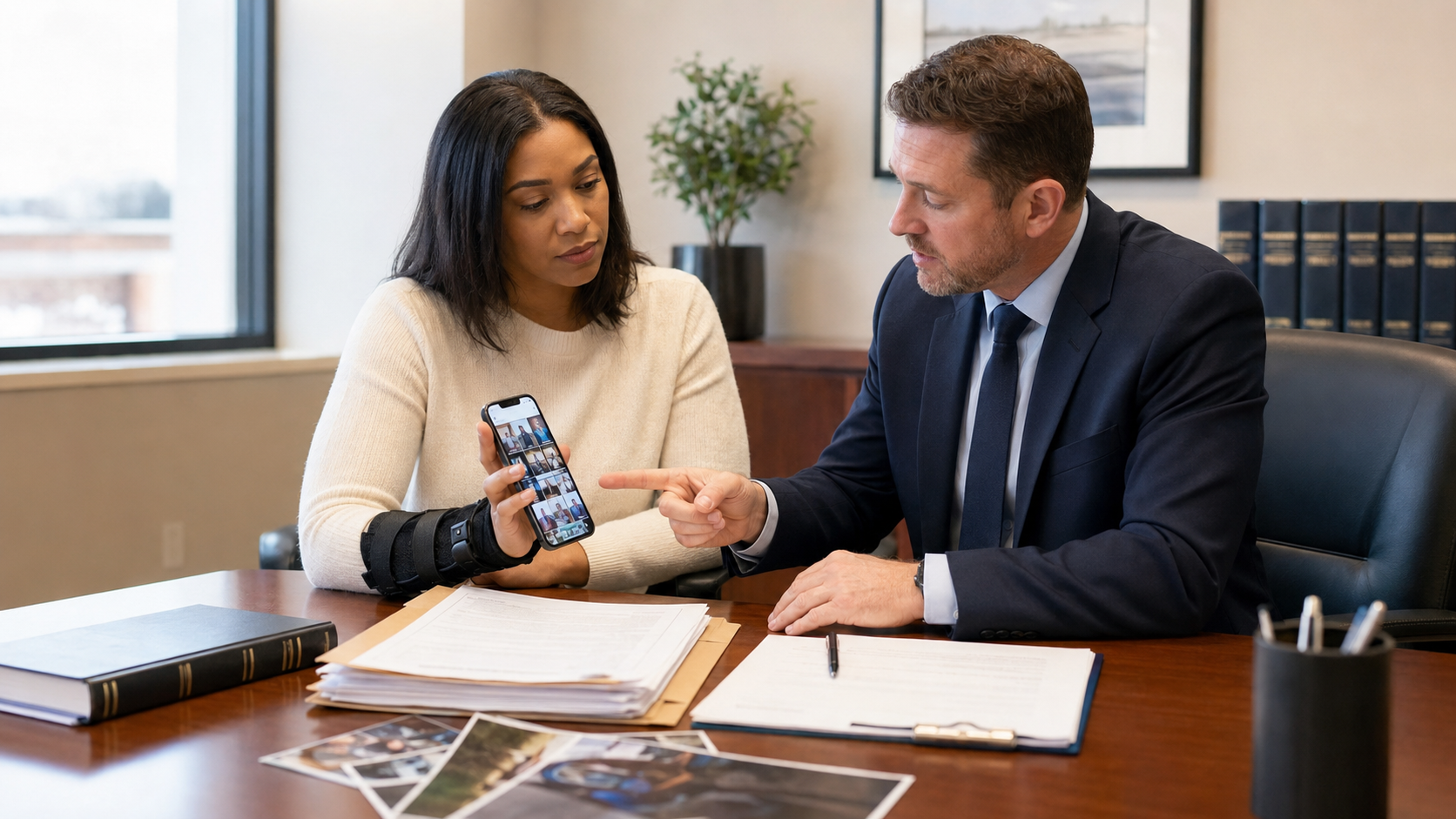
Social media is a powerful communication tool that connects people, shares experiences, and shapes public perceptions. However, social media and personal injury claims can create complicated legal issues for injured individuals in Cleveland, Columbus, Cincinnati, Toledo, Dayton, Akron, and throughout Ohio. Insurance companies and defense attorneys may review posts, photographs, videos, comments, check-ins, and other online activity for evidence they can use to challenge a claim. Even an innocent post may be taken out of context. A photograph could be used to question the severity of an injury, while a comment may appear inconsistent with medical records or prior statements. Privacy settings may also provide less protection than many users expect. Understanding how social media activity can affect an Ohio personal injury claim is essential. Careful online conduct can help preserve important evidence, protect your credibility, and prevent avoidable disputes during the legal process.
Understanding the Role of Social Media and Personal Injury Claims in Ohio
Social media and personal injury claims are increasingly connected in Ohio. Insurance companies and defense attorneys may review Facebook, Instagram, and other platforms for posts, photographs, or comments that could affect a claimant’s credibility or the value of a case. Even harmless content may be taken out of context, making careful online activity essential throughout the Ohio personal injury process.

Insurance companies and defense attorneys are well aware of this. They often collect data from social media to challenge claims. Key elements monitored include:
- Photos of physical activity.
- Status updates contradicting claims.
- Travel or leisure check-ins.
This scrutiny can be extensive and may affect the outcome of an Ohio injury case. Understanding the connection between social media and personal injury claims is essential. Insurance companies may use posts, photographs, comments, or check-ins to question your injuries or credibility. By limiting online activity and consulting an experienced Ohio personal injury attorney, claimants can better protect their rights and avoid preventable disputes.
How Social Media Posts Can Affect Personal Injury Claims in Ohio
Social media and personal injury claims can create significant legal challenges for injured individuals in Ohio. Insurance companies and defense attorneys may review online activity for content that appears inconsistent with your reported injuries. A status update, photograph, video, comment, or location check-in could be used to question the severity of your condition or your credibility. Even an innocent image of you smiling at a family event may be taken out of context and presented as evidence that you are not experiencing pain. Because every claim depends on its specific facts, Ohio injury claimants should use caution before posting online. Potentially problematic content may include:
- Photos showcasing physical activity.
- Comments indicating a positive mood contrary to claims of suffering.
- Check-ins at locations suggesting travel contrary to disability.
These posts can affect social media and personal injury claims, even when they seem unrelated to your case. Privacy settings do not guarantee confidentiality, and opposing counsel may obtain online content during an Ohio personal injury claim. In some cases, a court may subpoena social media records. Before posting, consider how an insurance company, defense attorney, judge, or jury could interpret the content.
Common Social Media Mistakes That Harm Claims
Mistakes involving social media and personal injury claims can create serious problems for injured individuals in Ohio. Insurance companies and defense attorneys may review posts, photographs, comments, and other online activity for evidence that challenges your injuries or credibility.
When addressing social media and personal injury claims in Ohio, even harmless online activity can create complications. For example, a positive recovery update may be used to suggest that your condition is less serious than your medical records indicate. Photos of hobbies, outings, or family events may also appear inconsistent with claims involving pain, limited mobility, or loss of enjoyment of life. Even comments unrelated to the accident can be taken out of context. Because every case is different, consider discussing your online activity with an experienced Ohio personal injury attorney. Common social media pitfalls to avoid include:
- Oversharing medical updates.
- Posting activity pictures.
- Engaging in heated debates.
- Tagging at social events.
Each of these actions can provide material that harms your case. Being vigilant and cautious about your online footprint is crucial.
The Limits of Privacy Settings and Deleting Posts
Many people assume privacy settings will protect their online activity during an Ohio injury case. However, social media and personal injury claims often involve evidence that may be obtained through formal discovery or subpoenas. Private posts, photographs, comments, and messages may still become relevant during legal proceedings. Deleting content does not guarantee its removal and could raise concerns about preserving potential evidence. To protect your credibility and legal rights, assume that anything shared online may be discovered. Before changing or deleting account content, consult an experienced Ohio personal injury attorney.

Social Media Strategy: Protecting Your Claim
A careful online strategy is essential when navigating social media and personal injury claims in Ohio. Limiting or pausing new posts can reduce the risk of insurers or defense attorneys misinterpreting your words, photographs, videos, or activities. Although stronger privacy settings may provide some protection, they cannot guarantee that your content will remain confidential. Do not delete or alter existing posts, as doing so could raise concerns about preserving potential evidence. Instead, speak with an experienced Ohio personal injury attorney about protecting your rights and managing your online presence. Consider these practical social media strategies:
- Avoid posting about your injury or legal matters.
- Refrain from accepting new friend requests.
- Untag yourself from potentially harmful posts.
- Regularly audit your profiles for any problematic content.
By taking these steps, you can reduce the risks associated with social media and personal injury claims. Managing your online presence carefully may protect your credibility and help prevent avoidable disputes throughout the Ohio legal process.
Online Reputation Management During a Claim
Maintaining your online reputation is essential when navigating social media and personal injury claims in Ohio. Insurance companies and defense attorneys may review your online activity for information that affects your credibility or case. Consider these key practices to manage your digital presence responsibly:
- Monitor and control what others post about you.
- Adjust privacy settings to limit content visibility.
- Engage in positive, unrelated content to dilute potential negatives.
By carefully managing social media and personal injury claims, injured individuals in Ohio can protect their credibility and reduce avoidable disputes. Limiting online activity may prevent insurers or defense attorneys from misinterpreting posts, photographs, or comments. Because every case is different, consult an experienced Ohio personal injury attorney for guidance tailored to your circumstances.
The Influence of Social Media on Legal Outcomes
Social media can shape how insurance adjusters, defense attorneys, judges, and jurors perceive an injured person’s case. When evaluating social media and personal injury claims, insurers may examine photographs, videos, comments, check-ins, and other online activity for content that appears inconsistent with reported injuries. Even an innocent post can be taken out of context and used to challenge your credibility or damages. An experienced Ohio personal injury attorney can explain how online activity may affect negotiations or litigation. Limiting posts and using social media carefully can help protect your claim and prevent avoidable disputes.
Tips for Managing Social Media While Your Claim Is Pending
Being cautious online is vital during a personal injury claim. Limit your activity to prevent unnecessary risks and focus on privacy. Consider these tips:
- Keep accounts private.
- Avoid discussing the case.
- Refrain from posting new photos.
- Monitor tagged posts and comments.
- Decline friend requests from unknown individuals.
These steps can help safeguard your claim from unnecessary scrutiny and potential setbacks. Consult your attorney immediately if you’re unsure about posting online. They provide guidance to maintain your claim’s integrity and avoid damaging evidence.
Navigating Social Media and Personal Injury Claims in Ohio
Navigating social media and personal injury claims in Ohio requires careful judgment. Insurance companies and defense attorneys may review posts, photographs, comments, videos, and check-ins for information they could use to question your injuries or credibility. Even private, deleted, or seemingly harmless content may become relevant during settlement negotiations or litigation.
Avoid discussing the accident, medical treatment, daily activities, or settlement expectations online. Because social media and personal injury claims can become closely connected, ask friends and family not to tag you or share details about your recovery. Do not delete existing content before consulting an attorney, as removal could raise concerns about preserving relevant evidence. An experienced Ohio personal injury attorney can evaluate how online activity may affect your specific case and recommend appropriate precautions. Careful social media use can help preserve evidence, protect your credibility, and prevent avoidable disputes throughout the claims process.
Cleveland Premises Liability Lawyers: Understanding Property Injury Claims in Ohio
How Cleveland Premises Liability Lawyers Evaluate Property Injury Claims Under Ohio Law A serious injury on someone else’s property can raise immediate questions about medical bills, responsibility, and your next
How Long Does an Auto Accident Settlement Take in Ohio? A Guide to the Claims Process
Ohio Auto Accident Settlement Timeline: What to Expect From Claim to Payout An Ohio auto accident settlement can move quickly when injuries are minor, liability is clear, and records are
How Buckeye Law Group’s Slip and Fall Injury Lawyers Help Injured Ohioans Understand Their Legal Options
Ohio Slip and Fall Injury Lawyers Helping You Understand Your Rights After a Serious Injury A slip and fall can turn an ordinary trip to a store, apartment building, workplace,
How Can an Ohio Truck Accident Lawyer Help You Protect Your Rights After a Commercial Truck Crash?
Legal Guidance After an Ohio Truck Accident: How an Ohio Truck Accident Lawyer Can Support Your Claim A truck accident lawyer from Buckeye Law Group can help injured individuals and
Should You Accept An Insurance Settlement Offer? Why Ohio Injury Victims Should Speak With An Attorney First
After an accident, an insurance settlement offer may provide welcome financial relief while medical bills and lost wages continue to accumulate. However, accepting an offer before the full extent of
What Should You Do After a Pedestrian Accident Near Ohio State University in Columbus?
A pedestrian accident near Ohio State University can leave you hurt, disoriented, and unsure what to do next. In the OSU area, where student foot traffic, Uber & Lyft rideshare
How Do I Choose the Right Dog Bite Lawyer in Columbus, Ohio?
If you were bitten or otherwise injured by a dog in central Ohio, the right lawyer can help determine liability, preserve evidence, communicate with insurance companies, and pursue fair compensation
How to Choose the Right Columbus Wrongful Death Attorney for Your Family
Losing someone because of another person’s negligence is devastating, and choosing the right legal help can feel overwhelming when your family is already grieving. The best wrongful death attorneys combine
What Must You Prove in an Ohio Medical Malpractice Claim, and How Can a Columbus Medical Malpractice Attorney Help?
An unexpected complication can leave a patient with serious questions. Was the outcome an unavoidable medical risk, or did a preventable error cause additional harm? Not every unsuccessful treatment amounts
Columbus Auto Accident Attorneys: Legal Guidance for Injured Drivers in Central Ohio
A serious crash can disrupt every part of your life. Medical expenses, lost income, vehicle repairs, and insurance calls can quickly become overwhelming. The experienced Columbus auto accident attorneys at
Buckeye Law Group represents people injured in auto accidents, slip and falls, workplace accidents and more in Ohio. Contact us today to learn more.
© 2026 All Rights Reserved | The Buckeye Law Group Inc. Privacy Policy Sitemap
Office Locations
- Akron Office 388 S Main St #400 Akron, OH 44311 (330) 426-0288
- Cincinnati Office 201 E 5th St Ste 1910 Cincinnati, OH 45202 (513) 547-2445
- Cleveland Office 127 Public Square Ste 1540 Cleveland, OH 44114 (216) 677-5490
- Columbus Office 20 E Broad St Suite 300 Columbus, OH 43215 (614) 482-3793
- Dayton Office 70 Birch Alley Ste 240 Dayton, OH 45440 (937) 884-4474
- Euclid Office 25701 N Lakeland Blvd Suite 113-C, Cleveland, OH 44132 (216) 405-2626
- Mansfield Office 305 E Main St Ste 6A, Mansfield, OH 44904 (567) 210-2606
- Findlay Office 7430 Timberstone Dr unit 101a, Findlay, OH 45840 419-873-5119
- Mentor Office 7537 Mentor Ave Ste 101, Mentor, OH 44060 (440) 306-3536
- Middletown Office 300 N Main St #400, Middletown, OH 45042 (326) 800-9150
- Parma Office 1257 Rockside Rd #A, Parma, OH 44131 (216) 279-1664
- Springfield Office 2100 E High St Ste TL3, Springfield, OH 45505 (937) 806-5791
- Toledo Office 3950 Sunforest Ct Ste 200, Toledo, OH 43623 (567) 483-3883
- Westlake Office 26404 Center Ridge Rd Ste B2, Westlake, OH 44145 216-247-0565
- Whitehall Office 5340 E Main St Ste 203, Whitehall, OH 43213 (380) 257-5206
- Youngstown Office 306 Churchill Hubbard Rd, Youngstown, OH 44505 (234) 225-0683
Contact Us
© 2026 All Rights Reserved | The Buckeye Law Group Inc. Privacy Policy Sitemap