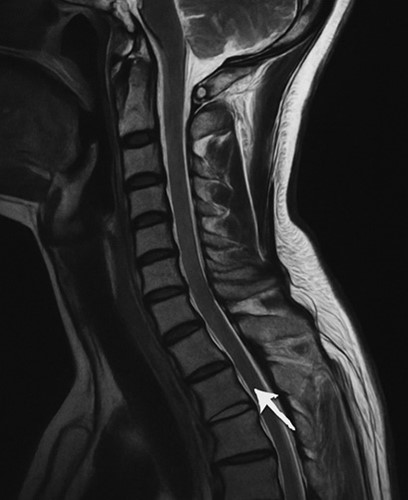
Spinal fusion surgery is often recommended to relieve chronic back pain, stabilize the spine, or treat serious spinal conditions. While many procedures are successful, some patients experience severe complications, ongoing pain, or failed results after surgery. When surgical mistakes, medical negligence, or defective hardware contribute to these outcomes, patients may have grounds to pursue failed spinal fusion lawsuits in Ohio.
If you or a loved one suffered complications after spinal fusion surgery, understanding your legal options may help you recover compensation for medical expenses, lost wages, and long-term suffering.
Call 1-800-411-7246 today to schedule a free consultation.
What Is a Failed Spinal Fusion?
A failed spinal fusion occurs when the surgery does not achieve the intended result or causes additional medical complications. In some cases, the bones may fail to properly fuse, while other patients may experience nerve damage, infections, or worsening pain after surgery.
Common causes of failed spinal fusion surgeries include:
- Surgical errors
- Improper placement of screws or hardware
- Failure to diagnose complications
- Nerve or spinal cord damage
- Infections after surgery
- Defective medical devices or implants
- Failure to properly monitor the patient during recovery
Patients dealing with these complications often require additional surgeries, extensive rehabilitation, and long-term medical care.
Can You Sue for a Failed Spinal Fusion in Ohio?
Yes, patients may be able to file a lawsuit if negligence contributed to a failed spinal fusion surgery. Medical malpractice claims typically arise when a surgeon, hospital, or healthcare provider fails to meet the accepted standard of care and causes preventable harm.
To pursue compensation in Ohio, injured patients generally must prove that:
- A doctor-patient relationship existed
- The medical provider acted negligently
- The negligence directly caused the injury
- The patient suffered damage as a result
These cases often require medical experts to review surgical records and determine whether the provider failed to follow accepted medical standards.
Working with experienced medical malpractice attorneys can help you determine whether you may have a valid claim.
Common Injuries After Failed Spinal Fusion Surgery
Failed spinal fusion procedures can result in serious and life-changing injuries. Some patients continue to experience chronic pain and limited mobility, while others may suffer permanent spinal damage.
Common injuries associated with failed spinal fusion surgeries include:
- Chronic back or neck pain
- Nerve damage
- Paralysis or loss of mobility
- Loss of sensation
- Spinal instability
- Infection and inflammation
- Hardware failure
- Emotional distress and depression
Patients suffering severe complications may require ongoing treatment and rehabilitation. Individuals experiencing long-term spinal damage often benefit from working with attorneys experienced in handling spinal cord injury claims in Ohio.
What Compensation May Be Available?
Victims pursuing failed spinal fusion lawsuits in Ohio may be entitled to compensation for both financial and personal losses. Depending on the circumstances of the case, damages may include:
- Medical bills
- Future medical treatment
- Rehabilitation expenses
- Lost wages
- Loss of future earning capacity
- Pain and suffering
- Emotional distress
- Permanent disability damages
The value of a claim often depends on the severity of the injuries and the long-term impact on the patient’s quality of life.
How Long Do You Have to File a Lawsuit in Ohio?
Ohio law places strict deadlines on medical malpractice claims. In many cases, patients have one year from the date they discovered — or reasonably should have discovered — the injury to file a lawsuit.
Because medical malpractice cases involve detailed investigations and expert review, it is important to contact an attorney as soon as possible. Delaying legal action could make it harder to preserve evidence and protect your right to compensation.
An experienced personal injury law firm can help investigate your claim and ensure all deadlines are properly met.
Why Failed Spinal Fusion Cases Are Complex
Failed spinal fusion lawsuits are often medically and legally complex. Hospitals, surgeons, and insurance companies may argue that the complications were known surgical risks rather than the result of negligence.
An attorney can work with medical experts to review imaging studies, surgical records, and post-operative care to determine whether preventable errors occurred. Legal representation is especially important when patients are facing permanent injuries or multiple corrective surgeries.
Patients suffering catastrophic injuries after surgery may also require attorneys experienced in handling serious spinal trauma and long-term disability claims.
Speak With an Ohio Attorney About Your Failed Spinal Fusion Claim
Failed spinal fusion surgeries can leave patients facing years of pain, financial stress, and uncertainty. If medical negligence contributed to your injuries, you may have the right to pursue compensation through a medical malpractice lawsuit.
The legal team at Buckeye Law Group helps injured patients throughout Ohio understand their legal rights after serious surgical errors and spinal injuries.
Call 1-800-411-7246 today to schedule a free consultation.
T-Bone Accidents in Columbus Ohio: Who Is at Fault and What Evidence Matters?
T-bone collisions are often among the most disputed Columbus car accidents because both drivers may tell very different stories about the same intersection. Fault usually depends on who had the
Medical Negligence in Dayton: When a Medical Error May Support an Ohio Malpractice Claim
A bad medical outcome does not always mean a provider committed malpractice, but some errors may support an Ohio medical malpractice claim. For patients and families in Dayton, the key
Fatal Cleveland Bicycle Hit-and-Run: Honoring a Life Lost and Raising Awareness About Roadway Safety
The tragic death of a bicyclist following an October 18, 2026, hit-and-run collision near West 25th Street and Detroit Avenue in Cleveland has left loved ones grieving an irreplaceable loss
Gregory E. Gudin’s $12 Million USAA Insurance Settlement
In 2021, attorney Gregory E. Gudin handled a case involving USAA, one of the nation’s most recognized insurance companies, that resulted in a $12 million settlement. This significant result is
Gregory E. Gudin’s $14.5 Million Progressive Insurance Settlement
Gregory E. Gudin has spent his legal career representing individuals whose cases involve serious financial consequences. Among the significant settlements on his professional portfolio is a $14.5 million settlement involving
Wrongful Death Lawsuits in Columbus, Ohio: Who Can File and What Compensation Is Available?
The wrongful death of a loved one can leave a family facing significant emotional and financial hardships, particularly when the loss results from another party’s negligence. Under Ohio law, surviving
Injured in an Uber Accident in Toledo? Understanding Insurance Coverage and Liability
A Toledo Uber accident can feel more confusing than a typical car crash because several insurance policies may be involved. The most important issue is usually the driver’s app status
Does Renters Insurance Cover Dog Bites in Ohio? What Cleveland Residents Should Know
In Ohio, renters insurance may cover dog bite claims through the policy’s personal liability section, but coverage depends on the policy language, the dog’s history, and any exclusions. Cleveland renters
How Uninsured Motorist Coverage Works After a Car Accident in Dayton, Ohio
A crash with an uninsured or underinsured driver can turn an ordinary Dayton commute into a confusing insurance problem. Uninsured motorist coverage helps protect you when the at-fault driver has
Whiplash Symptoms After a Cleveland Car Accident: What Injured Drivers Should Know
Whiplash is one of the most common neck injuries people worry about after a car accident, especially after a rear-end collision. For Cleveland drivers, the challenge is that auto accident
Buckeye Law Group represents people injured in auto accidents, slip and falls, workplace accidents and more in Ohio. Contact us today to learn more.
© 2026 All Rights Reserved | The Buckeye Law Group Inc. Privacy Policy Sitemap
Office Locations
- Akron Office 388 S Main St #400 Akron, OH 44311 (330) 426-0288
- Cincinnati Office 201 E 5th St Ste 1910 Cincinnati, OH 45202 (513) 547-2445
- Cleveland Office 127 Public Square Ste 1540 Cleveland, OH 44114 (216) 677-5490
- Columbus Office 20 E Broad St Suite 300 Columbus, OH 43215 (614) 482-3793
- Dayton Office 70 Birch Alley Ste 240 Dayton, OH 45440 (937) 884-4474
- Euclid Office 25701 N Lakeland Blvd Suite 113-C, Cleveland, OH 44132 (216) 405-2626
- Mansfield Office 305 E Main St Ste 6A, Mansfield, OH 44904 (567) 210-2606
- Findlay Office 7430 Timberstone Dr unit 101a, Findlay, OH 45840 419-873-5119
- Mentor Office 7537 Mentor Ave Ste 101, Mentor, OH 44060 (440) 306-3536
- Middletown Office 300 N Main St #400, Middletown, OH 45042 (326) 800-9150
- Parma Office 1257 Rockside Rd #A, Parma, OH 44131 (216) 279-1664
- Springfield Office 2100 E High St Ste TL3, Springfield, OH 45505 (937) 806-5791
- Toledo Office 3950 Sunforest Ct Ste 200, Toledo, OH 43623 (567) 483-3883
- Westlake Office 26404 Center Ridge Rd Ste B2, Westlake, OH 44145 216-247-0565
- Whitehall Office 5340 E Main St Ste 203, Whitehall, OH 43213 (380) 257-5206
- Youngstown Office 306 Churchill Hubbard Rd, Youngstown, OH 44505 (234) 225-0683
Contact Us
© 2026 All Rights Reserved | The Buckeye Law Group Inc. Privacy Policy Sitemap