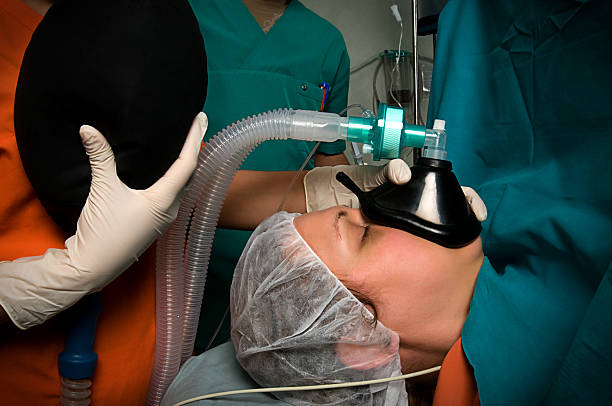
Why Anesthesia Malpractice Lawyers Protect Your Rights
Anesthesia errors during surgery can lead to serious injuries, including brain damage, nerve injury, or even death. Anesthesia malpractice lawyers help patients pursue compensation when negligent administration causes harm. These cases require careful investigation to determine liability and secure justice.
Contact Buckeye Law Group today for a free consultation
Common Types of Anesthesia Errors
Mistakes can occur during preparation, administration, or monitoring, including:
- Incorrect dosing of anesthesia
- Failing to monitor vital signs properly
- Neglecting patient allergies or medical history
- Improper intubation or airway management
- Failure to respond to complications
Anesthesia malpractice lawyers analyze medical records and consult specialists to identify negligence and determine whether a claim is valid.
How Buckeye Law Group Investigates Cases
The attorneys at Buckeye Law Group gather operative reports, lab results, and hospital documentation. They may work with anesthesiologists to review whether standard care was met and establish liability.
Recoverable Damages for Anesthesia Malpractice
Patients injured due to anesthesia errors may pursue compensation for medical treatment, additional surgeries, rehabilitation, lost wages, and long-term care. Non-economic damages, such as pain and suffering, are also considered.
Why Working With Buckeye Law Group Matters
Anesthesia malpractice claims are complex and require specialized expertise. Attorneys at Buckeye Law Group provide compassionate guidance and representation. Working with anesthesia malpractice lawyers ensures patients have strong advocates focused on accountability and fair compensation.