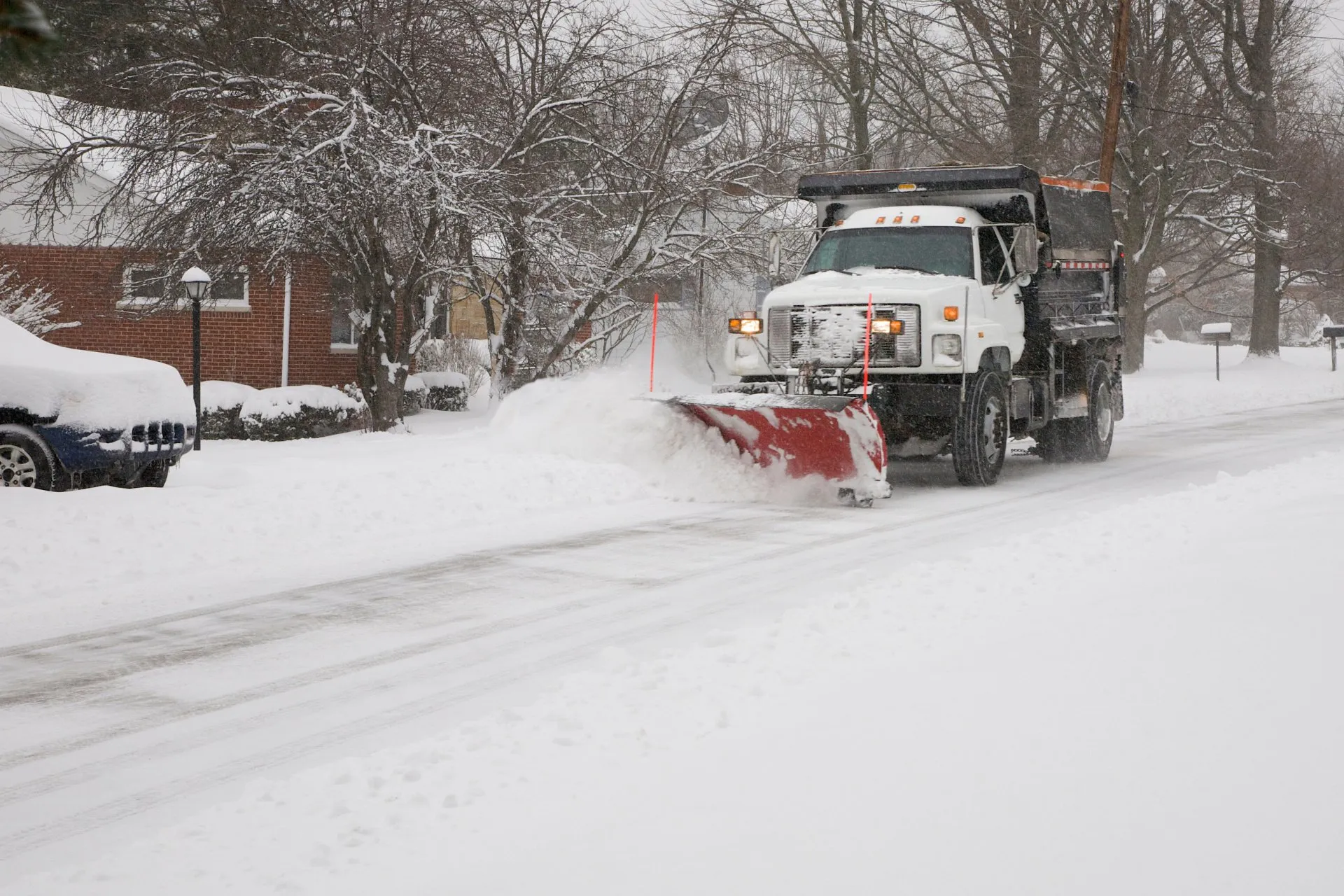
In January 2022, there was a snowplow accident on the Ohio Turnpike that left many motorists with damaged property and injuries. Reports suggested 12 people were sent to the hospital and dozens of vehicles were damaged due to the actions of the snowplow driver.
If you have vehicle damage from snowplow accidents like this one, you may be entitled to financial compensation to cover medical and repair costs. Connect with our auto accident injury lawyers today for a free case evaluation and be sure to take the appropriate steps to document your claim.
The Ohio Turnpike Snowplow Incident
In January 2022, a snowplow truck operator working for the Ohio Turnpike and Infrastructure Commission caused damage to nearly 50 vehicles and at least 12 injuries that required medical treatment. The driver was caught on video with his snowplow throwing snow into oncoming traffic over several miles.
Snowplow drivers undergo training to avoid doing just those types of things. Failure to adhere to safe plowing can easily result in severe property damage and injuries, and businesses and drivers should be held responsible for their actions. If you’re in a situation like this, you’ll need:
- Descriptions and photos of all damages
- A copy of your insurance information and preferably the snowplow driver’s insurance info
- A copy of the snowplow driver’s license or credentials (if you were able to get them)
- An Ohio State Highway Patrol Traffic Crash Report Number (if the accident was documented by the Ohio State Highway Patrol)
You can consult your insurance company to determine potential compensation. You’ll also likely need to speak with the snowplow driver’s insurance company. It may also be in your interest to work with an Ohio accident lawyer if you’ve suffered an injury due to a snowplow driver’s negligence.
Know You Have Rights
Accidents that put you at risk, damage your property or result in injury may entitle you to a settlement. Know that you have rights when it comes to protecting your property and yourself on the road.
Unfortunately, the insurance company doesn’t always leap at the chance to do what’s right for claim filers. They are businesses, and paying out claims is essentially a loss. They can potentially avoid that loss by finding ways to deny or undervalue your claim payment.
Talk With Your Insurance
The first thing you should do is talk with your insurance. They may begin negotiations with the other driver or their insurance company.
If you have full collision coverage, then your policy should cover any damages to your vehicle. Ideally those costs will eventually be paid by the other driver’s insurance if they are found to be at fault for the collision, but your insurance company can at least get the process of your repair started.
If you have collision coverage, your car damage should be covered even if you are found to be at fault or fault is disputed.
Ohio is a 25/50/25 state, meaning every driver is required to carry:
- $25,000 of bodily injury liability per person
- $50,000 of bodily injury liability per accident
- $25,000 of property damage liability
That type of coverage will provide financial protection if you cause a crash since it will pay for the damages you cause up to those policy limits. If you want your insurance to cover your repair costs even if you’re at fault, you’ll likely want to add both comprehensive coverage and collision coverage.
Uninsured/underinsured motorist coverage can also be beneficial as it will pay for your damages and injuries even if the at-fault driver is uninsured.
You May Be Entitled to Compensation After Snowplow Accidents
Snowplow accidents are more common than you would think, especially with the consistent snowy weather of Ohio winters. If you suffered damage or injury as a result of a snowplow accident, you should file a claim. Get started by reaching out to the snowplow driver’s insurance company or your own insurance company.
Your insurance company may be happy to help you deal with the other driver’s company since they would rather the other company pay for your damages. They may even help you investigate in hopes that it will prevent them from having to cover your repair costs.
It’s important to file your claim as early as possible because there is a limited amount of time that you can file for property damage compensation.
Buckeye Law Group is Here to Help After Winter Accidents Related to Snow
If you’ve been in a truck accident or car accident, or a dangerous snowplow accident caused by driver negligence, having an experienced accident lawyer on your side may help. At the Buckeye Law Group, we fight for the fair claim treatment Ohio residents deserve. Contact us at 1-800-411-PAIN today for a free consultation.
Lawyer for Emergency Room Errors in Ohio
Why a Lawyer for Emergency Room Errors in Ohio Is Important Emergency room errors can lead to serious complications when patients do not receive proper care. These mistakes may result
Wrongful Death Lawyers in Ohio
Why Wrongful Death Lawyers in Ohio Support Families Wrongful death cases arise when a loved one dies due to negligence. Families often face emotional and financial hardships during this time.
Bicycle Accident Lawyers in Ohio
Why Bicycle Accident Lawyers in Ohio Protect Cyclists Bicycle accidents often result in serious injuries due to the lack of protection for riders. Collisions with vehicles can lead to long
Red Light Accident Lawyers in Ohio
Why Red Light Accident Lawyers in Ohio Help Injury Victims Red light accidents often happen at busy intersections and can result in severe injuries, expensive medical bills, and lost income.
Brain Injury Attorneys in Ohio
Why Brain Injury Attorneys in Ohio Protect Victims Brain injuries can have long-term physical, emotional, and financial effects on victims and their families. These injuries may impact memory, concentration, mobility,
Lawyer for Medical Misdiagnosis in Ohio
Why a Lawyer for Medical Misdiagnosis in Ohio Helps Patients Medical misdiagnosis can delay proper treatment and lead to serious health complications. Patients often place trust in healthcare providers to
Stop Sign Accident Lawyers in Ohio
Why Stop Sign Accident Lawyers in Ohio Protect Victims Stop sign accidents can lead to severe injuries when drivers fail to stop or yield the right of way. These crashes
Red Light Accident Lawyers in Ohio
Why Red Light Accident Lawyers in Ohio Help Injury Victims Red light accidents often happen at busy intersections and can result in severe injuries, expensive medical bills, and lost income.
Cosmetic Malpractice Lawyers in Ohio
Why Cosmetic Malpractice Lawyers in Ohio Are Important Cosmetic procedures are intended to enhance appearance, but errors can result in serious physical and emotional harm. Victims may face corrective surgeries
Anesthesia Malpractice Lawyers in Ohio
Why Anesthesia Malpractice Lawyers in Ohio Protect Patients Errors involving anesthesia can lead to severe complications, including brain damage or death. Patients trust medical professionals to administer anesthesia safely. Anesthesia

The Buckeye Law Group Inc. represents people injured in auto accidents, slip and falls, workplace accidents and more in Ohio. Contact us today to learn more.
© 2026 All Rights Reserved | The Buckeye Law Group Inc. Privacy Policy Sitemap
Office Locations
- Akron Office 388 South Main Street, Suite 400 Akron, OH 44311 (330) 426-0288
- Cincinnati Office 201 E. Fifth Street, Suite 1910 Cincinnati, OH 45202 (513) 547-2445
- Cleveland Office 127 Public Square Suite 1540 Cleveland, OH 44114 (216) 677-5490
- Columbus Office 20 E Broad Street, Suite 300 Columbus, OH 43215 (614) 482-3793
- Dayton Office 70 Birch Alley, Suite 240 Dayton, OH 45440 (937) 884-4474
- Euclid Office 25701 N Lakeland Blvd, Suite 113-C Cleveland, OH 44132 (216) 405-2626
- Mansfield Office 305 E Main St, Suite 6A Mansfield, OH 44904 (567) 210-2606
- Mentor Office 7537 Mentor Ave, Suite 101 Mentor, OH 44060 (440) 306-3536
- Middletown Office 300 N Main St, Suite 400 Middletown, OH 45042 (326) 800-9150
- Parma Office 1257 Rockside Road, Suite A Parma, OH 44131 (216) 279-1664
- Springfield Office 2100 E High St, Suite TL3 Springfield, OH 45505 (937) 806-5791
- Toledo Office 3950 Sunforest Court, Suite 200 Toledo, OH 43623 (567) 483-3883
- Westlake Office 26404 Center Ridge Rd, Suite B-2 Westlake, OH 44145 216-247-0565
- Whitehall Office 5340 E Main St, Suite 203 Whitehall, OH 43213 (380) 257-5206
- Youngstown Office 306 Churchill Hubbard Rd Youngstown, OH 44505 (234) 225-0683
Contact Us
© 2026 All Rights Reserved | The Buckeye Law Group Inc. Privacy Policy Sitemap