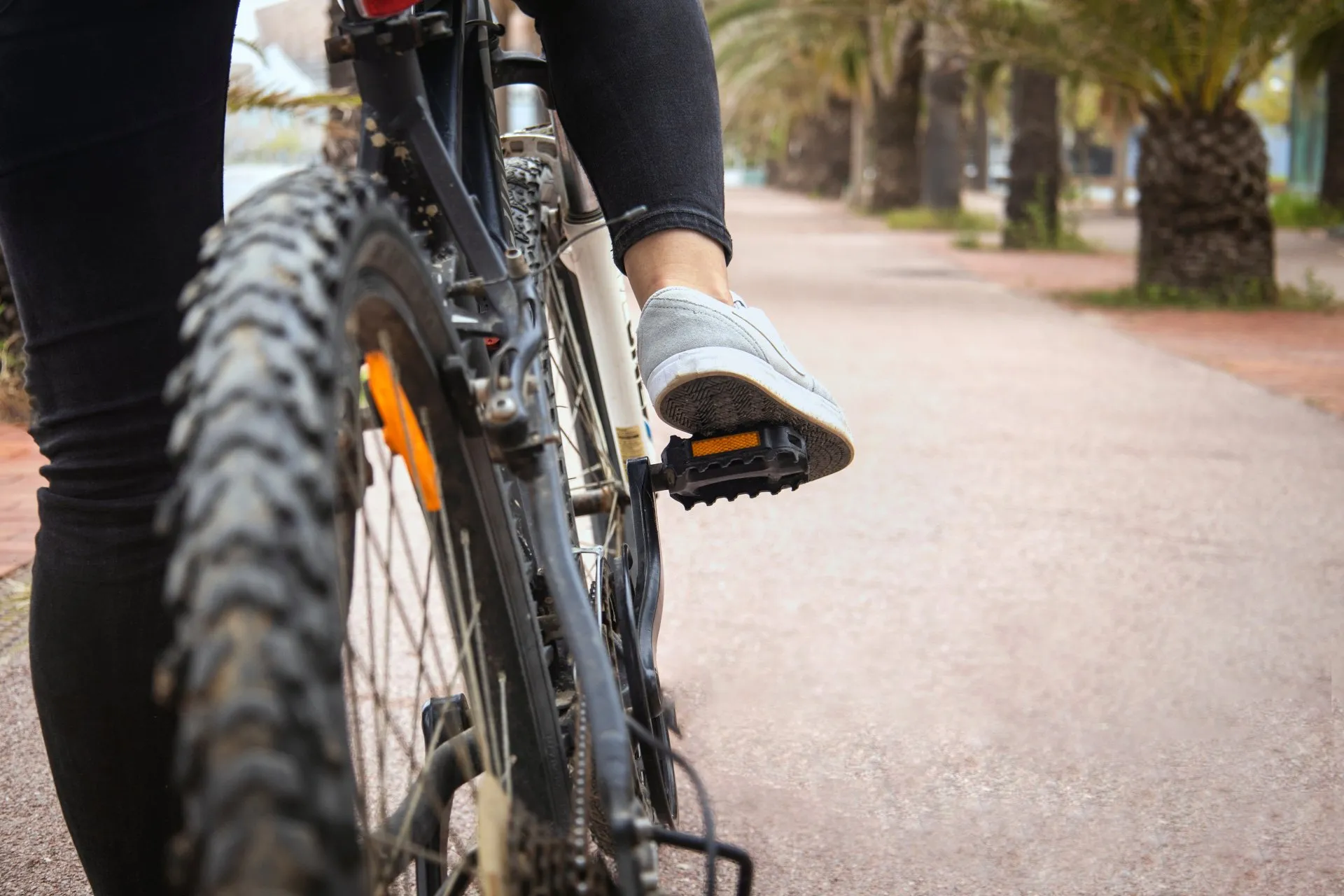
A bicycle accident can leave you or a loved one managing medical bills, lost income, and unexpected repair costs. Bicycle theft can also disrupt essential transportation and strain your family’s finances. For Ohio cyclists, understanding bicycle insurance begins with knowing which losses a policy covers and where coverage may fall short. Reviewing available protection can help you make informed decisions before an incident and identify potential coverage afterward.
Bicycle insurance may cover theft, accidental damage, and certain additional benefits, depending on the policy. However, protecting the bicycle itself does not necessarily mean your injuries are covered. Homeowners, renters, health, and auto insurance may also play different roles. For Ohio individuals and families, the starting point is understanding which policy covers which loss.
Call 1-800-411-7246 today to schedule a complimentary consultation with a local Ohio personal injury attorney from Buckeye Law Group.
What Does Bicycle Insurance Cover?
Standalone bicycle insurance provides coverage specifically for bicycles and, depending on the product, related equipment or risks. Available coverage varies by insurer, state, and the options purchased.
For example, bicycle insurance products available in Ohio may offer theft, crash damage, transit damage, and optional liability or medical-payments coverage. These benefits are not interchangeable, and optional protections may require an additional premium. Before purchasing coverage, ask the insurer to explain:
- Theft Protection: Where coverage applies and whether locking or storage requirements affect a claim.
- Accidental Damage: Whether crashes, falls, or transportation damage are covered.
- Valuation: Whether payment reflects replacement cost, depreciated value, or another agreed valuation method.
- Accessories: Whether helmets, wheels, lights, clothing, and custom components have separate limits.
- Permitted Activities: Whether commuting, racing, travel, or delivery work affects eligibility.
- Injury-Related Benefits: Whether the policy includes medical payments or other protection for the rider.
Request the policy form and applicable endorsements. A marketing summary cannot explain every exclusion or claim requirement.
Which Other Insurance Policies May Apply?
- Homeowners or Renters Insurance: A bicycle may qualify as personal property under a homeowners or renters policy. However, coverage for theft does not necessarily include accidental crash damage. Ask about deductibles, coverage away from home, valuation methods, and any bicycle-specific restrictions. An expensive bicycle or custom equipment may require additional coverage. Personal-liability coverage serves a different purpose. It may respond when an insured cyclist is legally responsible for injuring someone or damaging another person’s property. It generally should not be treated as coverage for the cyclist’s own injuries. The Ohio Department of Insurance’s homeowner resources provide a starting point for understanding property and liability protection.
- Health Insurance: Health insurance may help pay for covered treatment after a bicycle accident. Deductibles, copayments, provider networks, and other plan requirements still apply. Keep medical bills and explanations of benefits, even when health insurance pays a portion of your expenses. Certain plans may seek reimbursement from an injury recovery. Those rights require review before settlement funds are distributed.
- Auto Insurance: When a driver causes a bicycle crash, the driver’s liability insurance may provide compensation for covered losses. Your own auto policy may also warrant review. Medical-payments coverage or uninsured/underinsured-motorist coverage may apply to an insured person injured while cycling, depending on the contract and circumstances. These coverages serve different purposes. Medical payments may help with eligible treatment expenses. Uninsured/underinsured-motorist coverage may address qualifying injuries involving a driver with no insurance or insufficient coverage. The NAIC’s auto insurance consumer guide explains these general coverage categories. Whether they cover a particular bicycle crash requires a policy-specific review.
Is Bicycle Insurance Worth Considering in Ohio?
Additional coverage may be useful when replacing your bicycle would create financial hardship or your existing policies leave significant gaps. When comparing bike insurance in Ohio, consider:
- Replacement Expenses: Include the bicycle, custom parts, and covered accessories.
- Existing Protection: Identify coverage already available through other policies.
- Out-of-Pocket Costs: Compare premiums, deductibles, and payment limits.
- Riding Activities: Disclose racing, delivery work, travel, and electric assistance.
- Personal Financial Exposure: Consider what losses you could reasonably afford yourself.
For example, a policy may provide limited practical value for a property loss that falls below its deductible. Conversely, a high-value bicycle may justify reviewing specialized protection. Ask a licensed insurance professional to compare equivalent coverage options and confirm important answers in writing.
Do You Need Bicycle Insurance to Pursue an Injury Claim?
You do not need a standalone bicycle insurance policy to pursue a potential claim against someone responsible for your injuries. An attorney must still evaluate fault, causation, damages, available coverage, and applicable defenses.
Ohio cyclists operating on roadways generally must follow traffic rules applicable to vehicles. However, state law recognizes circumstances when riding near the right edge is unreasonable or unsafe. These include surface hazards and lanes too narrow for safe side-by-side travel. The circumstances of the crash matter. Preserve evidence showing vehicle movements, visibility, traffic controls, and road conditions.
What If an Unsafe Property Condition Caused the Crash?
A crash involving broken pavement, an obstruction, or another property hazard may require a premises liability review. Document the precise location, the condition, and any warnings. Identifying who owned or controlled the area is also important. An unsafe condition alone does not establish a successful claim. Legal duties and defenses depend on the circumstances. For example, Ohio’s recreational-user statute can limit certain landowner duties and liability when its requirements are met.
How Can You Document a Bicycle Accident Insurance Claim?
Your health comes first. Obtain appropriate medical attention and report the crash to law enforcement when necessary. When you can do so safely:
- Photograph the scene, bicycle, involved vehicles, road hazards, and visible injuries.
- Obtain driver information and witness contact details.
- Identify nearby businesses, homes, or vehicles that may have recorded the incident.
- Preserve the bicycle, helmet, clothing, lights, and damaged equipment.
- Save receipts, repair estimates, medical records, and documentation of missed work.
- Keep copies of insurance correspondence and a record of important calls.
If your injuries prevent you from gathering information, a family member may be able to help. Notify potentially applicable insurers promptly and ask about reporting and documentation requirements. Before repairing or discarding damaged equipment, arrange any necessary inspection and evidence preservation. Review settlement documents carefully. A release presented with a bicycle repair payment may contain language affecting additional claims.
Frequently Asked Questions
- Does bicycle insurance automatically cover medical bills? No. A policy that covers theft or bicycle damage may not include benefits for injuries. Ask whether medical-payments coverage is included, its limits, and how it coordinates with other insurance.
- Does homeowners insurance cover a stolen bicycle away from home? It may, depending on the policy. Ask about off-premises coverage, deductibles, exclusions, and proof-of-ownership requirements. Keep photographs, receipts, and the bicycle’s serial number.
- What happens if an uninsured driver hits me? Review potentially applicable auto and bicycle policies for uninsured-motorist protection. Coverage depends on who qualifies as an insured and whether the incident satisfies policy requirements. Preserve identifying information and comply with applicable reporting requirements.
- Are electric bicycles covered the same way as conventional bicycles? Do not assume they are. Give the insurer the bicycle’s specifications and explain how you use it. Ask whether the policy covers that particular e-bike and whether motorized-device exclusions apply.
- How long do I have to file an Ohio bicycle injury lawsuit? Many Ohio bodily-injury claims are subject to a two-year filing period under Ohio Revised Code §2305.10. Exceptions may change the deadline, and insurance policies can impose separate requirements. An attorney should evaluate the dates that apply to your circumstances.
Get Clear Answers After an Ohio Bicycle Accident
Understanding bicycle insurance is one step toward addressing the financial consequences of an injury. You also deserve clear guidance about responsibility, available evidence, and how a proposed settlement could affect your rights. Buckeye Law Group can review your circumstances and explain potential next steps. Bring available insurance documents, photographs, medical records, and correspondence, along with your questions about treatment costs and missed work. You do not need to have every document organized before requesting help.
Learn more about our Ohio bicycle accident lawyers, or call 1-800-411-7246 to request a complimentary consultation.
*This article provides general educational information and does not constitute legal or insurance advice for your specific circumstances. Coverage depends on policy terms, applicable law, and the facts of the loss. Reading this article or contacting Buckeye Law Group does not, by itself, establish an attorney-client relationship. Every case is different, and prior results do not guarantee a similar outcome.*
Who Is Liable After a Commercial Truck Accident on I-75 Near Dayton?
A commercial truck crash on I-75 near Dayton can involve more than one responsible party. The driver may be part of the story, but truck accident liability often turns on
What Happens When a Pedestrian Is Hit by a Car in Downtown Dayton?
When a pedestrian is hit by a car in downtown Dayton, the first priorities are medical care, safety, and creating a clear record of what happened. After the scene is
How Do You Prove a Slip and Fall Injury Claim in Dayton, Ohio?
A slip and fall injury claim in Dayton, Ohio, usually comes down to evidence: what dangerous condition caused the fall, who was responsible for the property, whether they knew or
What Are Common Signs of Medical Malpractice in Toledo Hospitals?
Medical malpractice can be difficult to recognize because poor outcomes sometimes happen even when doctors, nurses, and hospitals do everything right. Still, certain warning signs may suggest that a preventable
How an Ohio car accident lawyer helps negotiate with insurance companies
After a crash, the insurance process can feel like a second accident: confusing, stressful, and full of pressure to make quick decisions. Understanding how an Ohio car accident lawyer helps
What Evidence is Needed After a Commercial Truck Accident in Akron, Ohio?
After a commercial truck crash in Akron, the strongest claim is usually built from evidence gathered quickly, preserved properly, and connected to the real cause of the collision. Useful evidence
Most dangerous roads and intersections in Akron, Ohio
Akron has plenty of everyday driving pinch points: quick merges, busy arterials, short downtown blocks, and neighborhood streets where drivers, walkers, and cyclists all share a common space. The latest
What Happens After a Dog Bite in Dayton, Ohio?
A dog bite can turn an ordinary walk, delivery stop, visit, or neighborhood errand into a confusing medical and legal situation. In Dayton and the surrounding Montgomery County area, the
Wrongful Death Lawyers in Akron and How Local Ohio Attorneys Can Provide the Legal Resources Your Family Deserves
When a loved one dies because of another person’s carelessness, unsafe choices, or misconduct, the family is left with grief, unanswered questions, and often sudden financial pressure. Ohio law allows
How Can Cleveland Wrongful Death Lawyers Help Families Protect Their Rights and Pursue Compensation?
When a preventable death changes your family’s future, the legal process can feel impossible to face. Wrongful death lawyers in Cleveland can help families understand Ohio law, preserve evidence, deal

Buckeye Law Group represents people injured in auto accidents, slip and falls, workplace accidents and more in Ohio. Contact us today to learn more.
© 2026 All Rights Reserved | The Buckeye Law Group Inc. Privacy Policy Sitemap
Office Locations
- Akron Office 388 S Main St #400 Akron, OH 44311 (330) 426-0288
- Cincinnati Office 201 E 5th St Ste 1910 Cincinnati, OH 45202 (513) 547-2445
- Cleveland Office 127 Public Square Ste 1540 Cleveland, OH 44114 (216) 677-5490
- Columbus Office 20 E Broad St Suite 300 Columbus, OH 43215 (614) 482-3793
- Dayton Office 70 Birch Alley Ste 240 Dayton, OH 45440 (937) 884-4474
- Euclid Office 25701 N Lakeland Blvd Suite 113-C, Cleveland, OH 44132 (216) 405-2626
- Mansfield Office 305 E Main St Ste 6A, Mansfield, OH 44904 (567) 210-2606
- Findlay Office 7430 Timberstone Dr unit 101a, Findlay, OH 45840 419-873-5119
- Mentor Office 7537 Mentor Ave Ste 101, Mentor, OH 44060 (440) 306-3536
- Middletown Office 300 N Main St #400, Middletown, OH 45042 (326) 800-9150
- Parma Office 1257 Rockside Rd #A, Parma, OH 44131 (216) 279-1664
- Springfield Office 2100 E High St Ste TL3, Springfield, OH 45505 (937) 806-5791
- Toledo Office 3950 Sunforest Ct Ste 200, Toledo, OH 43623 (567) 483-3883
- Westlake Office 26404 Center Ridge Rd Ste B2, Westlake, OH 44145 216-247-0565
- Whitehall Office 5340 E Main St Ste 203, Whitehall, OH 43213 (380) 257-5206
- Youngstown Office 306 Churchill Hubbard Rd, Youngstown, OH 44505 (234) 225-0683
Contact Us
© 2026 All Rights Reserved | The Buckeye Law Group Inc. Privacy Policy Sitemap