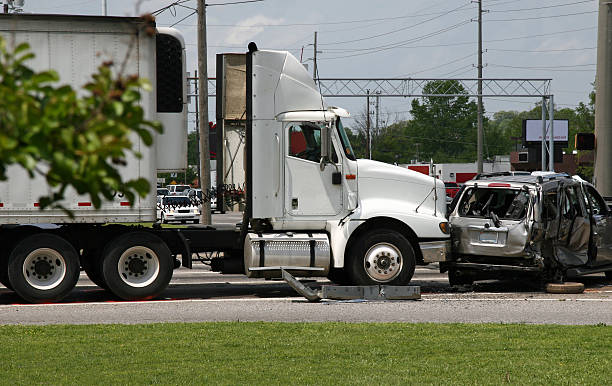
Understanding the Dangers of Poor Truck Maintenance
Commercial trucks, especially 18-wheelers, are massive vehicles that require meticulous upkeep to operate safely. When truck companies or drivers neglect maintenance—whether due to skipped inspections, worn-out brakes, or faulty tires—the consequences can be catastrophic. Accidents involving poorly maintained trucks often result in severe injuries, extensive property damage, and, in tragic cases, fatalities.
Common Maintenance Issues Leading to Truck Accidents
Negligence in truck maintenance can take many forms:
- Brake failures – Worn-out or improperly adjusted brakes can prevent trucks from stopping in time, causing devastating collisions.
- Tire blowouts – Poorly inspected or overused tires may explode at high speeds, leading to loss of control.
- Steering or suspension problems – Malfunctioning steering or suspension components increase the risk of rollovers or jackknife accidents.
- Faulty lights and signals – Non-functioning brake lights, turn signals, or reflectors can make trucks invisible to other drivers at critical moments.
- Improperly secured cargo – Load shifts can destabilize the truck, especially on curves or sudden stops.
The Impact of Maintenance-Related Truck Accidents
Accidents caused by poor maintenance often lead to devastating consequences:
- Severe injuries – Broken bones, spinal injuries, traumatic brain injuries, and internal organ damage are common.
- Fatalities – Due to the size and weight of 18-wheelers, collisions can be deadly for other drivers.
- Property damage – Other vehicles and infrastructure can sustain extensive damage.
- Emotional trauma – Survivors may suffer lasting emotional distress from life-altering injuries or the loss of loved ones.
Determining Liability in Truck Accidents
Liability in truck accidents is often complex, as both the driver and the trucking company may share responsibility. Factors include:
- Driver negligence – Failing to report maintenance issues, speeding, or not performing pre-trip inspections.
- Company negligence – Failing to enforce safety protocols, skipping required inspections, or pushing drivers to meet unrealistic schedules.
- Third-party defects – Occasionally, maintenance issues arise from defective parts installed by third-party manufacturers.
Trucking companies are generally held to higher safety standards because they have the resources and legal duty to ensure their vehicles are roadworthy.
Seeking Justice After a Truck Accident
Victims of catastrophic truck accidents often face overwhelming medical bills, lost wages, and long-term care needs. Legal action can help recover compensation for:
- Past and future medical expenses
- Lost income and diminished earning capacity
- Pain, suffering, and emotional trauma
- Wrongful death damages in the most tragic cases
Why You Need an Experienced Attorney
Proving negligence in a truck accident requires specialized knowledge, including:
- Investigating maintenance logs and inspection records
- Reviewing driver logs and company policies
- Consulting accident reconstruction experts
- Negotiating with trucking companies and insurance carriers
An experienced attorney ensures your rights are protected and that all liable parties are held accountable.
The Buckeye Law Group Difference
At Buckeye Law Group, we understand the devastating consequences of maintenance-related truck accidents. Our team is dedicated to helping victims navigate the complex legal process, holding negligent drivers and companies responsible, and securing the compensation families need to recover.
If you or a loved one has been injured in a truck accident caused by poor maintenance, don’t face it alone. Contact us today to explore your legal options: Contact Buckeye Law Group.