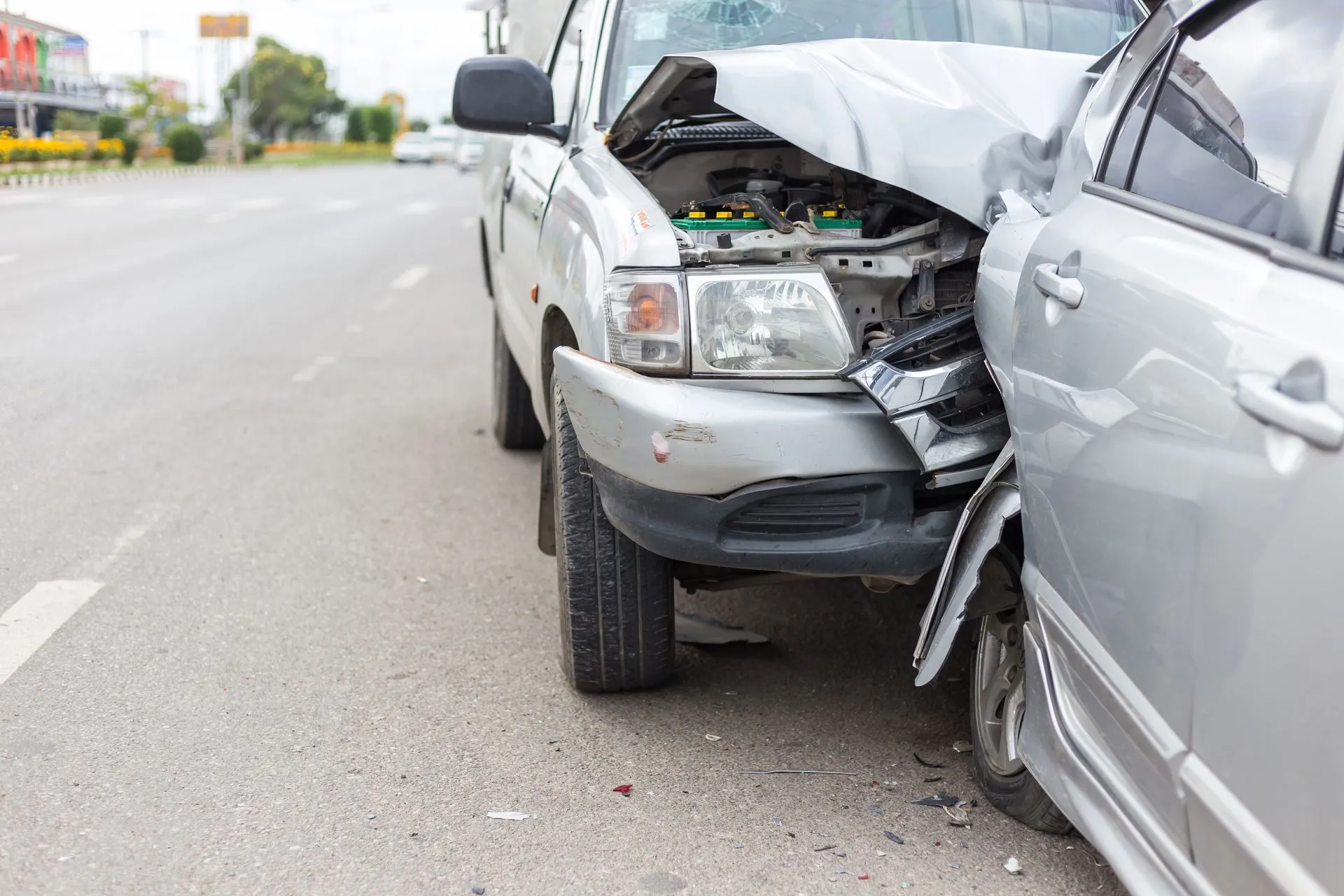
Who Pays Medical Bills After a Car Accident in Ohio?
Car accidents can be overwhelming, especially when medical bills start piling up. In Ohio, understanding who pays these bills is crucial. Ohio follows an at-fault insurance system. This means the driver is responsible for the accident and is liable for damages. Medical bills after a car accident in Ohio can be complex. They involve insurance claims, legal considerations, and potential out-of-pocket costs. Knowing your insurance options is vital. Health insurance, MedPay, and uninsured motorist coverage can all play a role.
Legal guidance can help navigate these complexities. A personal injury attorney can provide valuable advice and support. This guide will help you understand your rights and responsibilities, it aims to prevent financial hardship after an accident.
Call 1-800-411-7246 today to schedule a free consultation.
Understanding Ohio’s At-Fault Insurance System
Ohio operates under an at-fault insurance system. Here, the party responsible for the accident must pay for the damages. This includes covering medical expenses. Under this system, the at-fault driver’s insurance typically pays for costs like vehicle repairs and medical bills. However, this might not cover all expenses.
Ohio requires drivers to carry minimum liability insurance. This includes $25,000 per person and $50,000 per accident for bodily injury. Understanding these limits is crucial for evaluating coverage needs. Drivers have several options under this system:
File a claim with the at-fault driver’s insurer.
Utilize their own coverage like MedPay.
Pursue legal action if insurance falls short.

This framework ensures that the responsible party is held accountable. However, it may require navigating complex insurance claims.
Who Is Responsible for Medical Bills After a Car Accident?
In Ohio, determining who pays for medical bills after a car accident can be complex. The at-fault driver is generally responsible for covering medical expenses. However, the payment process isn’t straightforward. Victims usually start with filing a claim against the at-fault driver’s insurance. This initiates the process of reimbursing medical costs. Insurance companies evaluate claims based on evidence gathered from the accident. There are various factors influencing responsibility:
The extent of injuries incurred.
The type of insurance coverage held by both parties.
Whether the at-fault driver has adequate insurance.
Sometimes, insurance coverage falls short, leading victims to explore other options. Victims might have to rely on their insurance policies to cover immediate expenses. Understanding each insurance policy’s terms helps clarify potential responsibilities.
The Role of Health Insurance in Covering Accident-Related Medical Bills
After a car accident in Ohio, health insurance can play a crucial role. It often serves as the initial payer for medical expenses. This can be vital when there’s a delay in settling claims with the at-fault driver’s insurer.
However, using health insurance to cover medical bills isn’t free of obligations. Health insurance companies may require reimbursement from any settlements received later. This process is known as subrogation and ensures the insurer recovers its costs. Key factors to consider when using health insurance include:
Coverage limits on specific treatments.
The subrogation rights of your insurer.
Coordination between health and auto insurance policies.
Promptly understanding these aspects helps manage medical bills effectively. This approach ensures medical attention is received without delay while awaiting compensation from a settlement.
Medical Payments Coverage (MedPay) in Ohio
In Ohio, Medical Payments Coverage (MedPay) is an optional insurance feature that provides significant benefits. It covers medical bills for you and your passengers, no matter who is at fault. Choosing MedPay can offer peace of mind and financial protection. It complements existing health insurance by covering co-pays and deductibles. This coverage is especially helpful in providing immediate funds for medical care after an accident. Consider the following benefits of MedPay:
Covers medical expenses regardless of fault.
Supplements health insurance by covering out-of-pocket costs.
Provides rapid payment, easing financial stress during recovery.
Understanding these points can guide you in deciding if MedPay is right for you.
What If the At-Fault Driver Is Uninsured or Underinsured?
In Ohio, encountering an uninsured or underinsured driver can complicate medical bill payments. It means the at-fault party lacks adequate insurance to cover your expenses. To protect yourself, consider Uninsured/Underinsured Motorist Coverage (UM/UIM). This insurance helps cover medical costs when the at-fault driver’s insurance is insufficient. Benefits of UM/UIM coverage include:
Coverage for medical expenses when the at-fault driver lacks sufficient insurance.
Protection from financial loss in hit-and-run incidents.
Assurance of compensation regardless of the other driver’s coverage status.
Ensuring you’re covered can save you from unexpected medical debt and financial strain.
Filing Insurance Claims After a Car Accident
Filing a claim after a car accident in Ohio is a crucial step for covering medical bills. The process involves notifying your insurance company and the at-fault driver’s insurer. Prompt action is key to a successful claim. Begin by gathering all necessary evidence to support your claim. This includes accident reports, medical records, and photographs from the scene. Detailed documentation strengthens your case. Timely and thorough action can help ensure your medical expenses are addressed without unnecessary delay.

Out-of-Pocket Costs and Medical Debt in Ohio
Even with insurance, accident victims in Ohio might face out-of-pocket medical expenses. Insurance may not cover everything, leading to unforeseen costs. Understanding these potential expenses is crucial. Medical debt can arise when insurance limits are exceeded. Victims may need to manage bills for surgery, rehabilitation, or ongoing care. Being aware of these possibilities helps in financial planning. Strategies to manage out-of-pocket costs include:
Reviewing insurance policy limits and coverage details.
Negotiating payment plans with healthcare providers.
Exploring financial assistance programs available through hospitals.
Properly navigating these financial aspects can prevent burdensome debt. Taking proactive steps ensures better handling of medical costs in the aftermath of an accident.
Medical Liens and Subrogation: What Accident Victims Need to Know
Medical liens can be placed on settlements to secure payment of medical bills. This occurs when healthcare providers seek payment from future settlements. Understanding how liens work is essential for managing claims. Subrogation allows insurers to get reimbursed for expenses paid on your behalf. This can affect the amount you ultimately receive in a settlement. Key points to consider include:
Healthcare providers may file liens to ensure bill payment.
Subrogation demands might reduce your net settlement.
Discussing these with an attorney can clarify obligations.
Knowing these aspects can help you better navigate your financial responsibilities after a car accident in Ohio.
Legal Options When Insurance Isn’t Enough
Sometimes, insurance coverage falls short in covering all medical expenses. In such cases, legal action might be necessary to seek additional compensation. Consulting a personal injury attorney can provide valuable guidance. Pursuing a lawsuit can be an option if negotiations with insurance companies do not yield satisfactory results. Attorneys can assess the viability of a lawsuit based on the details of the accident and the available evidence. Consider these potential steps:
Evaluate the need for a lawsuit.
Consult a personal injury attorney for legal advice.
Gather and preserve all relevant evidence to support your case.
Managing Medical Bills While Claims Are Pending
Waiting for an insurance claim to resolve can be stressful, especially when bills pile up. Taking proactive steps can ease this burden. While claims are processed, consider these strategies to manage bills:
Contact healthcare providers to explain the situation.
Request a payment plan to spread out costs over time.
Explore hospital financial assistance programs if available.
Actively communicating with medical providers can prevent bills from going to collections. This approach helps protect your credit and manage financial stress during uncertain times.
Protecting Your Credit and Avoiding Medical Debt
Medical debt can severely impact your credit score if not handled properly. Addressing bills promptly is crucial for financial health. To protect your credit and avoid debt:
Stay in contact with creditors and explain your situation.
Set up automatic payments to prevent missed deadlines.
Keep thorough records of all correspondence and agreements.
By maintaining open communication and organizing payments, you can mitigate the risk of debt. Taking these steps helps ensure that your credit remains intact, even after a car accident in Ohio.
Steps to Take After a Car Accident to Protect Your Rights
After a car accident, acting quickly is vital. Certain steps can help secure your rights and improve your case later. Follow these key steps after an accident:
Call emergency services and get medical help if needed.
Document the accident scene with photos and gather witness details.
Notify your insurance company about the incident.
Taking these steps helps preserve evidence. It also supports a smoother claims process and strengthens your position in any potential legal matters.

by Dallas Penner (https://unsplash.com/@dallaspenner)
Frequently Asked Questions About Medical Bills After Ohio Car Accidents
Many Ohio drivers wonder about medical bills post-accident. Understanding the process can ease concerns and guide actions.
Who pays for medical bills immediately? Often, victims use their own health insurance first. Insurers may later seek reimbursement.
What if insurance doesn’t cover everything? Out-of-pocket expenses can occur, requiring negotiations or settlements.
Can a personal injury attorney help with my bills? Yes, our attorneys at Buckeye Law Group can offer guidance on navigating claims and maximizing compensation.
When to Consult a Personal Injury Attorney
Deciding when to consult a personal injury attorney can affect your case. Prompt legal advice is crucial after an accident in Ohio. Consider speaking with an attorney if:
You face significant medical bills.
The at-fault driver’s insurance denies your claim.
You have lasting injuries affecting life quality.
At Buckeye Law Group, an attorney from our team can protect your rights, guide you through complexities, and work to obtain fair compensation.
Navigating Medical Bills and Car Accident Costs in Ohio
Understanding who may pay medical bills after a car accident in Ohio is an important step toward protecting your recovery. Medical expenses, insurance claims, lost income, and liability disputes can quickly become overwhelming without the right guidance. By taking timely action, preserving important records, and knowing how Ohio’s insurance system may affect your claim, you can better protect yourself from unnecessary financial hardship. At Buckeye Law Group, we help injured Ohio accident victims understand their options, pursue available compensation, and move forward with confidence after a serious crash.
Call 1-800-411-7246 today to schedule a free consultation.
How Uninsured Motorist Coverage Works After a Car Accident in Dayton, Ohio
A crash with an uninsured or underinsured driver can turn an ordinary Dayton commute into a confusing insurance problem. Uninsured motorist coverage helps protect you when the at-fault driver has
Whiplash Symptoms After a Cleveland Car Accident: What Injured Drivers Should Know
Whiplash is one of the most common neck injuries people worry about after a car accident, especially after a rear-end collision. For Cleveland drivers, the challenge is that auto accident
Uninsured Motorist Coverage in Ohio: What Cleveland Drivers Need to Know
Ohio requires drivers to prove financial responsibility, but that does not mean every driver on I-90, I-71, or a Cleveland surface street has enough insurance to pay for the harm
Rear-End Collisions in Columbus: Who Is at Fault and What Evidence Matters?
Rear-end crashes can look simple from the outside, but fault still depends on what each driver did, what the road conditions were, and what the evidence shows. In Columbus, Ohio,
How to Prove a Slip-and-Fall Injury Claim in Cincinnati Ohio
A slip-and-fall injury claim in Cincinnati, Ohio, usually turns on proof: what caused the fall, who controlled the property, what the owner or occupier knew or should have known, and
What to Do After a Truck Accident in Cleveland, Ohio: A Step-by-Step Guide
A serious truck crash can leave you shaken, injured, and unsure what to do next. This Cleveland truck accident guide walks you through the practical steps to protect your health,
Are Personal Injury Settlements Taxable in Ohio?
A personal injury settlement in Ohio is often not taxable when the money compensates you for physical injuries or physical sickness. But some parts of a settlement can be taxable,
Is It Worth Hiring a Cincinnati Car Accident Attorney After a Minor Crash?
A minor crash can feel like something you should be able to handle with a few phone calls and a repair estimate. Sometimes that is true. But if pain appears
Does Homeowners Insurance Cover Dog Bite Injuries in Cincinnati?
Homeowners insurance often provides coverage for dog bite injuries in Cincinnati, Ohio. However, coverage is not guaranteed. Whether an insurance policy covers a particular incident depends on its liability provisions,
Who Is Responsible for a Multi-Vehicle Car Accident on I-480 Near Cleveland?
A multi-vehicle crash on I-480 can feel chaotic from the first second: traffic stops, drivers swerve, several insurers get involved, and everyone has a different version of what happened. Responsibility
Buckeye Law Group represents people injured in auto accidents, slip and falls, workplace accidents and more in Ohio. Contact us today to learn more.
© 2026 All Rights Reserved | The Buckeye Law Group Inc. Privacy Policy Sitemap
Office Locations
- Akron Office 388 S Main St #400 Akron, OH 44311 (330) 426-0288
- Cincinnati Office 201 E 5th St Ste 1910 Cincinnati, OH 45202 (513) 547-2445
- Cleveland Office 127 Public Square Ste 1540 Cleveland, OH 44114 (216) 677-5490
- Columbus Office 20 E Broad St Suite 300 Columbus, OH 43215 (614) 482-3793
- Dayton Office 70 Birch Alley Ste 240 Dayton, OH 45440 (937) 884-4474
- Euclid Office 25701 N Lakeland Blvd Suite 113-C, Cleveland, OH 44132 (216) 405-2626
- Mansfield Office 305 E Main St Ste 6A, Mansfield, OH 44904 (567) 210-2606
- Findlay Office 7430 Timberstone Dr unit 101a, Findlay, OH 45840 419-873-5119
- Mentor Office 7537 Mentor Ave Ste 101, Mentor, OH 44060 (440) 306-3536
- Middletown Office 300 N Main St #400, Middletown, OH 45042 (326) 800-9150
- Parma Office 1257 Rockside Rd #A, Parma, OH 44131 (216) 279-1664
- Springfield Office 2100 E High St Ste TL3, Springfield, OH 45505 (937) 806-5791
- Toledo Office 3950 Sunforest Ct Ste 200, Toledo, OH 43623 (567) 483-3883
- Westlake Office 26404 Center Ridge Rd Ste B2, Westlake, OH 44145 216-247-0565
- Whitehall Office 5340 E Main St Ste 203, Whitehall, OH 43213 (380) 257-5206
- Youngstown Office 306 Churchill Hubbard Rd, Youngstown, OH 44505 (234) 225-0683
Contact Us
© 2026 All Rights Reserved | The Buckeye Law Group Inc. Privacy Policy Sitemap