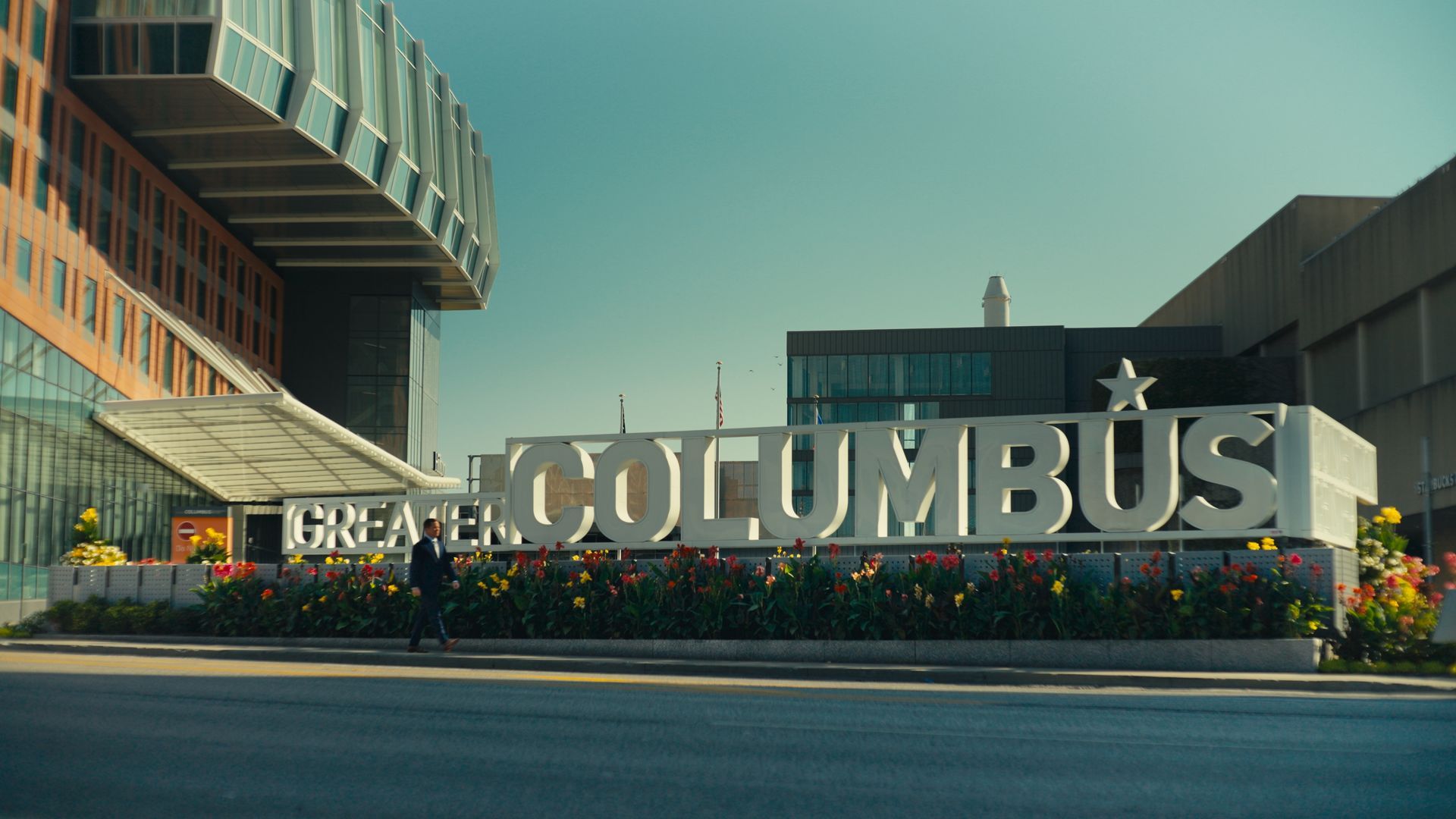
We’ve all felt that familiar spike of anxiety trying to merge onto I-71 at the 670 split. According to Ohio Department of Transportation data, that infamous stretch is just one piece of the puzzle regarding personal injury accidents in Columbus, OH. Residents often assume collisions are entirely random, but traffic reports reveal highly predictable risk patterns across our city.
Beyond the highway, everyday routines carry unexpected threats. Whether you are navigating a slick floor at Easton Town Center or dodging uneven sidewalks in the Short North, businesses have a legal responsibility, known as a duty of care, to maintain safe public spaces. Missing caution signs over freshly mopped tiles create invisible hazards that easily turn casual weekend errands into sudden emergency room visits. Mapping your daily route against the most dangerous intersections in Columbus, OH, and common retail hotspots allows you to spot these risks proactively. Knowing exactly where these localized dangers hide doesn’t just save you a headache, it keeps you and your family safe.
Understanding the Top Injury Accident Hotspots in Columbus, OH: The Risks of Dangerous Outerbelt Merges
Anyone commuting through the North Side knows the stress of approaching the I-270 and I-71 split. Recent I-270 and I-71 interchange accident statistics highlight this junction as notorious due to an invisible hazard called a “weave” zone. This layout forces cars entering the highway to cross paths with cars exiting within the exact same short lane. Consequently, drivers accelerate to join the Outerbelt while others brake sharply to leave it, creating a highly dangerous speed differential. Since these weave zones rank among the top high-traffic areas prone to car crashes in Franklin County, navigating them requires proactive focus. Use this 3-step defensive driving checklist for high-speed merges at the I-270/I-71 split:
- Match speed early: Adjust to the Outerbelt’s pace before you hit the merge point to avoid rear-end collisions.
- Double-check blind spots: Watch specifically for drivers making sudden lane sweeps to catch tricky left-side exits.
- Commit clearly: Maintain predictable momentum once merging so other vehicles can maneuver around you safely.
Mastering the Outerbelt’s chaos means managing these aggressive highway merges smoothly, but navigating downtown travel introduces entirely different hazards.
Avoiding the “Broad and High” Crunch: Why This Intersection Ranks Among the Top Injury Accident Hotspots in Columbus, OH
Leaving the highway behind doesn’t mean leaving the risk behind. While Broad and High is a notorious downtown crunch, local traffic data reveals that Morse Road at Hamilton Road and the Dublin-Granville corridor also rank high among dangerous intersections in Columbus, OH. These areas force heavy vehicle volumes and pedestrians into tight spaces. Consequently, many personal injury accidents occurring at Columbus, OH, intersections result from preventable acts of driver negligence, including distracted driving, failure to yield, speeding, and other common traffic violations.
When crashes happen in these busy grids, Ohio applies a shared responsibility rule called comparative negligence. Think of it like a pie, if two drivers both make a mistake, the law divides the “slices” of blame between them. This shared fault frequently occurs due to these common collision triggers:
- Signal jumping: Gunning the engine the split-second a light turns green.
- Turning across paths: Misjudging the speed of oncoming traffic during unprotected left turns.
- Yellow-light racing: Speeding up to beat a changing traffic signal instead of braking.
Protecting yourself from a shared-blame scenario requires using the “Look-Left-Right-Left” strategy. Whenever a traffic signal changes to green, scan left, check right, and look left again to catch lingering red-light runners before entering the intersection.
The Hidden Hazards of Easton Town Center: Managing Parking Lot Safety and Slip-and-Fall Risks

Stepping out of your vehicle at a sprawling retail hub introduces a completely different set of risks. Navigating the massive parking structures requires watching out for blind corners around concrete pillars, poorly lit pedestrian crosswalks between levels, and slick oil patches near the elevator banks. Recognizing these specific dangers makes basic Easton Town Center parking lot safety tips essential for every Columbus, OH, shopper before they even reach the stores.
Once inside the buildings, the danger shifts to what we call an “invisible hazard.” If a fellow shopper drops a coffee and you immediately step in it, that is a simple accident; however, if management knows about a leaking skylight and fails to place a warning marker, that crosses into legal fault. This “Yellow Sign” rule, whether the owner knew about the danger and warned you, often defines the validity of grocery store vs retail shop injury claims. By identifying these common premises liability locations for slip and fall injuries, from slick food court tiles to icy entryway mats, you can stay vigilant during your weekend errands.
Safe Passage Through the Short North and OSU: Protecting Pedestrians and Bicyclists
Navigating High Street requires vigilance around dense pedestrian hotspots like Goodale Park. While crosswalk rules seem obvious, Ohio applies “comparative fault” to these collisions. Think of fault like a pie; if you step into traffic against a signal, a judge might assign you a slice of the blame. This shared responsibility directly dictates what to do after a pedestrian accident on High Street: document your exact location immediately and wait for police to officially determine who had the right-of-way.
Cyclists face equally sudden threats alongside these streetscapes. “Dooring”, when a parked driver unexpectedly flings their door open into an active bike lane, ranks high among the common causes of bicyclist injuries in the Short North. Protect your health and legal rights by following 4 essential steps for bicyclists to take immediately after a collision in the Short North:
- Move out of the active traffic lane if physically able.
- Call 911 to guarantee an official police report.
- Photograph the open vehicle door and your bike’s position.
- Gather contact information from any sidewalk witnesses.
Further north, university fleets introduce heavy-duty risks to student walkways. Government deadlines act like fast-approaching expiration dates on your rights, filing a personal injury lawsuit after an OSU campus accident requires acting much swifter than a standard claim.
Identifying Hazards in Columbus, OH, Construction and Industrial Districts

Driving near Columbus’s ongoing developments means navigating endless orange barrels. Understanding safety protocols for avoiding accidents at Columbus, OH, construction sites starts with recognizing the “Fatal Four” hazards: falls, being struck by objects, electrocution, and getting caught between equipment. For everyday commuters, the biggest threat is simply being struck by shifting machinery or dropped materials. Complex work zones make assigning blame highly complicated. If a city-contracted truck hits your vehicle, you will encounter “government immunity” a legal shield protecting municipalities from standard lawsuits. Fortunately, this doesn’t erase liability for injuries in Ohio government buildings or city work zones. Instead, your claim shifts to “third-party liability,” meaning you hold the private subcontractor operating the equipment financially responsible for their mistakes rather than suing the city itself.
Immediate action is your best defense if you encounter workplace injury risks in Columbus, OH, manufacturing districts or public development zones. Your first step after an injury is notifying the site manager and seeking medical attention to establish a solid paper trail. Because active construction scenes change daily with moving dirt and rotating crews, securing your own proof before the landscape permanently alters is critical.
The 15-Minute Rule: How to Document Evidence at a Columbus, OH, Accident Scene
The moments right after a fender bender on I-270 or a slip at Easton are chaotic, but those first 15 minutes are crucial. Waiting even a day to report an injury makes insurers immediately doubt your story. Your smartphone is your best tool for preserving the truth before the environment inevitably changes. To protect yourself, follow these vital steps to document evidence at a Columbus, OH, accident scene before vehicles move or a property manager sweeps the floor:
- Wide shots of the entire area showing weather and lighting.
- Close-ups of property damage or immediate visible injuries.
- Images identifying hazardous road conditions in Central Ohio, like obscured potholes.
- The other party’s license plate and insurance card.
- The responding Columbus, OH, police officer’s badge number.
Beyond swapping contact information, remember that your legal rights have a strict deadline. Think of Ohio’s statute of limitations like an expiration date, once that time window closes, your claim cannot be reopened.
Your Roadmap to Recovery: Essential Steps After a Personal Injury Incident in Central Ohio
Navigating Columbus, OH, shouldn’t feel like a gamble. You now possess the foresight to anticipate hazards, whether you are merging onto the chaotic I-270 Outerbelt, navigating crowded Short North crosswalks, or visiting loved ones near local nursing home neglect and injury hotspots. Recognizing these everyday risks transforms how you move through our city. If the unexpected occurs, your immediate actions dictate your recovery. After calling the police and your insurance provider, consulting a local personal injury lawyer from Buckeye Law Group can help ensure your rights remain protected while you focus on healing. True protection always begins long before a hazard ever appears.
How Uninsured Motorist Coverage Works After a Car Accident in Dayton, Ohio
A crash with an uninsured or underinsured driver can turn an ordinary Dayton commute into a confusing insurance problem. Uninsured motorist coverage helps protect you when the at-fault driver has
Whiplash Symptoms After a Cleveland Car Accident: What Injured Drivers Should Know
Whiplash is one of the most common neck injuries people worry about after a car accident, especially after a rear-end collision. For Cleveland drivers, the challenge is that auto accident
Uninsured Motorist Coverage in Ohio: What Cleveland Drivers Need to Know
Ohio requires drivers to prove financial responsibility, but that does not mean every driver on I-90, I-71, or a Cleveland surface street has enough insurance to pay for the harm
Rear-End Collisions in Columbus: Who Is at Fault and What Evidence Matters?
Rear-end crashes can look simple from the outside, but fault still depends on what each driver did, what the road conditions were, and what the evidence shows. In Columbus, Ohio,
How to Prove a Slip-and-Fall Injury Claim in Cincinnati Ohio
A slip-and-fall injury claim in Cincinnati, Ohio, usually turns on proof: what caused the fall, who controlled the property, what the owner or occupier knew or should have known, and
What to Do After a Truck Accident in Cleveland, Ohio: A Step-by-Step Guide
A serious truck crash can leave you shaken, injured, and unsure what to do next. This Cleveland truck accident guide walks you through the practical steps to protect your health,
Are Personal Injury Settlements Taxable in Ohio?
A personal injury settlement in Ohio is often not taxable when the money compensates you for physical injuries or physical sickness. But some parts of a settlement can be taxable,
Is It Worth Hiring a Cincinnati Car Accident Attorney After a Minor Crash?
A minor crash can feel like something you should be able to handle with a few phone calls and a repair estimate. Sometimes that is true. But if pain appears
Does Homeowners Insurance Cover Dog Bite Injuries in Cincinnati?
Homeowners insurance often provides coverage for dog bite injuries in Cincinnati, Ohio. However, coverage is not guaranteed. Whether an insurance policy covers a particular incident depends on its liability provisions,
Who Is Responsible for a Multi-Vehicle Car Accident on I-480 Near Cleveland?
A multi-vehicle crash on I-480 can feel chaotic from the first second: traffic stops, drivers swerve, several insurers get involved, and everyone has a different version of what happened. Responsibility
Buckeye Law Group represents people injured in auto accidents, slip and falls, workplace accidents and more in Ohio. Contact us today to learn more.
© 2026 All Rights Reserved | The Buckeye Law Group Inc. Privacy Policy Sitemap
Office Locations
- Akron Office 388 S Main St #400 Akron, OH 44311 (330) 426-0288
- Cincinnati Office 201 E 5th St Ste 1910 Cincinnati, OH 45202 (513) 547-2445
- Cleveland Office 127 Public Square Ste 1540 Cleveland, OH 44114 (216) 677-5490
- Columbus Office 20 E Broad St Suite 300 Columbus, OH 43215 (614) 482-3793
- Dayton Office 70 Birch Alley Ste 240 Dayton, OH 45440 (937) 884-4474
- Euclid Office 25701 N Lakeland Blvd Suite 113-C, Cleveland, OH 44132 (216) 405-2626
- Mansfield Office 305 E Main St Ste 6A, Mansfield, OH 44904 (567) 210-2606
- Findlay Office 7430 Timberstone Dr unit 101a, Findlay, OH 45840 419-873-5119
- Mentor Office 7537 Mentor Ave Ste 101, Mentor, OH 44060 (440) 306-3536
- Middletown Office 300 N Main St #400, Middletown, OH 45042 (326) 800-9150
- Parma Office 1257 Rockside Rd #A, Parma, OH 44131 (216) 279-1664
- Springfield Office 2100 E High St Ste TL3, Springfield, OH 45505 (937) 806-5791
- Toledo Office 3950 Sunforest Ct Ste 200, Toledo, OH 43623 (567) 483-3883
- Westlake Office 26404 Center Ridge Rd Ste B2, Westlake, OH 44145 216-247-0565
- Whitehall Office 5340 E Main St Ste 203, Whitehall, OH 43213 (380) 257-5206
- Youngstown Office 306 Churchill Hubbard Rd, Youngstown, OH 44505 (234) 225-0683
Contact Us
© 2026 All Rights Reserved | The Buckeye Law Group Inc. Privacy Policy Sitemap