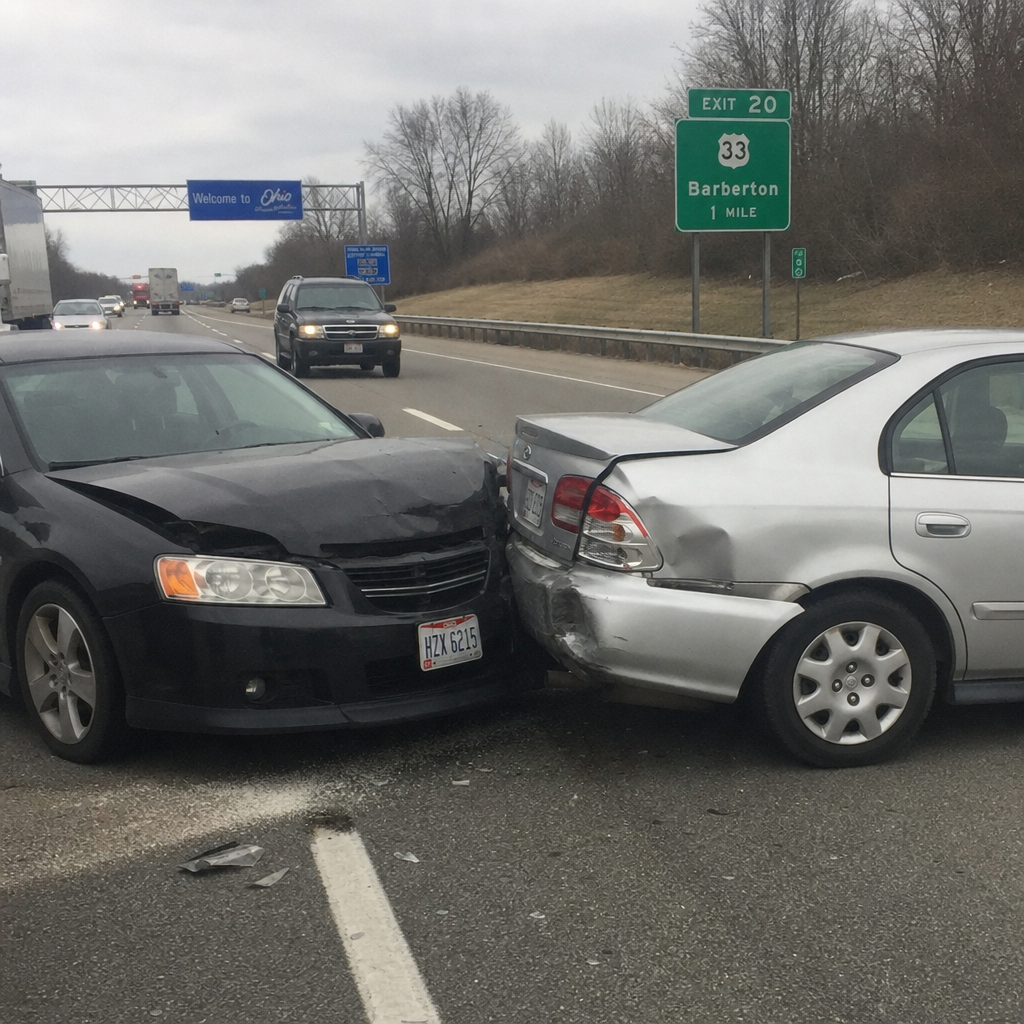
Rear-end collisions are common on Ohio roads. They often lead to confusion about who is at fault. Understanding Ohio traffic laws can help clarify this issue. In most cases, the driver of the rear vehicle is presumed at fault. This is due to Ohio’s safe following distance rule. However, there are exceptions to this presumption. Ohio’s comparative negligence law allows fault to be shared. This means both drivers can be partially responsible. Knowing this can impact insurance claims and legal outcomes. Navigating insurance claims after a rear-end collision can be complex. Legal guidance can be beneficial in these situations. A rear end collision lawyer can provide valuable assistance. Understanding your rights and responsibilities is crucial. This knowledge can protect you in the event of a rear-end collision. Stay informed about Ohio driving rules to ensure safety on the road in Cleveland, Columbus, Cincinnati, Toledo, Dayton, Akron, and the surrounding communities.
Understanding Rear-End Collisions in Ohio
Rear-end collisions are a common cause of car accident injuries in Ohio. They often occur when a driver follows too closely or fails to stop in time. These crashes can cause serious injuries, costly vehicle damage, and disputed insurance claims. If the at-fault driver leaves the scene, an experienced rear end collision lawyer can help preserve evidence, identify available insurance coverage, and protect the injured person’s legal rights. Several factors can contribute to rear-end collisions, including:
- Distracted driving, like texting or using a phone.
- Weather conditions causing slippery roads.
- Sudden stops by the leading vehicle.
Ohio traffic laws emphasize preventing accidents through vigilant driving. Drivers should remain alert, follow Ohio driving rules, and maintain a safe following distance. If a crash occurs, a rear end collision lawyer can explain how these laws may affect fault and liability. Understanding these requirements helps Ohio drivers reduce collision risks and protect their legal rights.
Presumption of Fault in Rear-End Accidents
In Ohio, the rear driver is often presumed at fault in a rear-end collision because they may have failed to stop in time or maintain a safe following distance. This presumption often serves as the starting point for insurance claims and legal proceedings. However, it is not conclusive. An experienced rear end collision lawyer can investigate the circumstances, review the available evidence, and determine whether another driver’s actions contributed to the crash. Key reasons for presuming the rear driver’s fault include:
- Failing to maintain a safe following distance.
- Not paying attention to road conditions.
- Speeding or not adjusting speed to traffic flow.
Proving otherwise requires compelling evidence and detailed investigation. Therefore, understanding Ohio’s fault presumptions can aid in preparing for rear-end accident claims.
Exceptions to the Rule: When the Lead Driver May Be at Fault
Although rear drivers are often presumed at fault, exceptions exist when the lead driver may share or bear responsibility. These circumstances can complicate Ohio car accident claims and require careful investigation by a rear end collision lawyer. A lead driver may be liable if they act unexpectedly or negligently. Such conduct can shift fault or result in shared liability, affecting the compensation available in a rear-end accident claim. Common exceptions where the lead driver may be at fault include:
- Suddenly stopping without a valid reason.
- Driving with malfunctioning brake lights.
- Reversing unexpectedly into another vehicle.
Understanding these exceptions is crucial for building a strong rear-end collision case in Ohio. An experienced rear end collision lawyer can analyze the crash, preserve key evidence, and determine whether an exception may affect liability.
Ohio Traffic Laws and Safe Driving Rules
Ohio traffic laws emphasize maintaining a safe distance between vehicles. These laws help prevent rear-end collisions by establishing clear driving guidelines. Following speed limits and remaining attentive can reduce accident risks. An experienced rear end collision lawyer can evaluate whether a driver violated these rules when determining fault. Understanding Ohio’s driving laws helps protect everyone on the road. Key safe-driving rules include:
- Keep a safe distance from vehicles ahead.
- Obey posted speed limits at all times.
- Avoid distractions like phone use while driving.
Ohio drivers should frequently review these laws to ensure compliance. Staying informed can protect drivers from potential liabilities.

Comparative Negligence in Ohio Car Accidents
Ohio follows a comparative negligence rule in car accident cases, meaning fault can be shared among the drivers involved. Even if you are partly responsible, you may still recover damages. However, your compensation will be reduced according to your percentage of fault. A rear end collision lawyer can evaluate the evidence, address disputed liability, and explain how Ohio’s comparative negligence law may affect your claim. Key points include:
- Fault shared if more than one party is responsible.
- Damages reduced according to your contribution to the accident.
- Claims not possible if you’re more than 50% at fault.
Understanding this rule helps in navigating rear-end accident claims successfully. It is crucial for compensation negotiations.
The Insurance Claims Process After a Rear-End Collision
Filing an insurance claim after a rear-end collision in Ohio involves several important steps. First, report the accident to your insurance company promptly to begin the claims process and allow for a timely assessment. Next, gather relevant evidence, including photographs of the accident scene, vehicle damage, and road conditions. Record the involved drivers’ contact and insurance information as well. Because documentation can affect liability and compensation, an experienced rear end collision lawyer can help preserve evidence, review insurance coverage, and protect your rights throughout the claim. Typical steps in the insurance claims process include:
- Report the collision promptly.
- Gather and submit necessary documentation.
- Follow up on the claim status.

by Maël BALLAND
Understanding each step helps you manage your claim effectively and avoid unnecessary delays.
Gathering Evidence for Rear-End Accident Claims
Collecting strong evidence is crucial for supporting your rear-end accident claim in Ohio. This documentation can significantly affect the outcome of the claims process. Start by taking clear photos of the accident scene from several angles. Also, gather contact information from witnesses, as their statements may help establish how the crash occurred. Keep detailed records of your injuries, medical treatment, and vehicle repairs. An experienced rear end collision lawyer can review this evidence, identify additional documentation, and help protect your right to compensation. Key pieces of evidence include:
- Photos of damage and the scene
- Witness statements
- Medical and repair records
Compiling this evidence enhances your case, helping establish liability and ensuring fair compensation.
The Role of a Rear End Collision Lawyer
Navigating the aftermath of a rear-end collision can be complex. An experienced rear end collision lawyer can provide essential guidance throughout the claims process. They negotiate with insurance companies to pursue a fair settlement and, when necessary, represent clients in court to protect their rights. Their legal knowledge and investigative experience can be crucial to building a strong case. Key roles include:
- Negotiating with insurers
- Representing clients in court
- Advising on legal options
With a lawyer’s help, clients can focus on recovery while their legal matters are handled professionally.
Frequently Asked Questions About Rear-End Collisions in Ohio
Many Ohio drivers have concerns after a rear-end collision. Key questions often relate to fault and insurance processes. Common questions include:
- Who decides fault in a collision? Fault in an Ohio collision is not decided by one person alone. Insurance adjusters initially review police reports, photographs, witness statements, vehicle damage, and traffic laws. If liability remains disputed, a judge or jury may assign fault. Under Ohio law, compensation may be reduced based on your percentage of responsibility.
- What steps should I take immediately after an accident? After an Ohio car accident, call 911, move to safety if possible, and seek prompt medical care. Exchange contact and insurance information, photograph the vehicles and roadway, identify witnesses, and obtain the police report number. Avoid admitting fault or giving the other driver’s insurer a recorded statement before consulting a rear end collision lawyer. Preserve all medical bills, repair estimates, and other records related to the accident.
- How long do I have to file a claim? Ohio generally allows two years from the collision date to file a lawsuit for bodily injury or property damage. However, insurance policies may impose earlier notice requirements, and certain exceptions can affect the deadline. Promptly consulting a rear end collision lawyer can help preserve evidence and protect your right to pursue compensation.
Understanding these points ensures Ohio drivers are well-prepared and aware of their rights after an accident.
Protecting Your Rights After a Rear-End Collision
Navigating the aftermath of a rear-end collision involves understanding Ohio’s traffic laws and insurance claim processes. Knowing your rights and obligations helps in seeking rightful compensation. Consider consulting a rear end collision lawyer from Buckeye Law Group to assist with legal complexities. Our team provides experienced legal guidance, protects your interests, and handles insurance negotiations on your behalf. By staying informed and proactive, you can better safeguard your rights and achieve a fair outcome following a rear-end accident in Ohio.
Wrongful Death Lawsuits in Columbus, Ohio: Who Can File and What Compensation Is Available?
The wrongful death of a loved one can leave a family facing significant emotional and financial hardships, particularly when the loss results from another party’s negligence. Under Ohio law, surviving
Injured in an Uber Accident in Toledo? Understanding Insurance Coverage and Liability
A Toledo Uber accident can feel more confusing than a typical car crash because several insurance policies may be involved. The most important issue is usually the driver’s app status
Does Renters Insurance Cover Dog Bites in Ohio? What Cleveland Residents Should Know
In Ohio, renters insurance may cover dog bite claims through the policy’s personal liability section, but coverage depends on the policy language, the dog’s history, and any exclusions. Cleveland renters
How Uninsured Motorist Coverage Works After a Car Accident in Dayton, Ohio
A crash with an uninsured or underinsured driver can turn an ordinary Dayton commute into a confusing insurance problem. Uninsured motorist coverage helps protect you when the at-fault driver has
Whiplash Symptoms After a Cleveland Car Accident: What Injured Drivers Should Know
Whiplash is one of the most common neck injuries people worry about after a car accident, especially after a rear-end collision. For Cleveland drivers, the challenge is that auto accident
Uninsured Motorist Coverage in Ohio: What Cleveland Drivers Need to Know
Ohio requires drivers to prove financial responsibility, but that does not mean every driver on I-90, I-71, or a Cleveland surface street has enough insurance to pay for the harm
Rear-End Collisions in Columbus: Who Is at Fault and What Evidence Matters?
Rear-end crashes can look simple from the outside, but fault still depends on what each driver did, what the road conditions were, and what the evidence shows. In Columbus, Ohio,
How to Prove a Slip-and-Fall Injury Claim in Cincinnati Ohio
A slip-and-fall injury claim in Cincinnati, Ohio, usually turns on proof: what caused the fall, who controlled the property, what the owner or occupier knew or should have known, and
What to Do After a Truck Accident in Cleveland, Ohio: A Step-by-Step Guide
A serious truck crash can leave you shaken, injured, and unsure what to do next. This Cleveland truck accident guide walks you through the practical steps to protect your health,
Are Personal Injury Settlements Taxable in Ohio?
A personal injury settlement in Ohio is often not taxable when the money compensates you for physical injuries or physical sickness. But some parts of a settlement can be taxable,

Buckeye Law Group represents people injured in auto accidents, slip and falls, workplace accidents and more in Ohio. Contact us today to learn more.
© 2026 All Rights Reserved | The Buckeye Law Group Inc. Privacy Policy Sitemap
Office Locations
- Akron Office 388 S Main St #400 Akron, OH 44311 (330) 426-0288
- Cincinnati Office 201 E 5th St Ste 1910 Cincinnati, OH 45202 (513) 547-2445
- Cleveland Office 127 Public Square Ste 1540 Cleveland, OH 44114 (216) 677-5490
- Columbus Office 20 E Broad St Suite 300 Columbus, OH 43215 (614) 482-3793
- Dayton Office 70 Birch Alley Ste 240 Dayton, OH 45440 (937) 884-4474
- Euclid Office 25701 N Lakeland Blvd Suite 113-C, Cleveland, OH 44132 (216) 405-2626
- Mansfield Office 305 E Main St Ste 6A, Mansfield, OH 44904 (567) 210-2606
- Findlay Office 7430 Timberstone Dr unit 101a, Findlay, OH 45840 419-873-5119
- Mentor Office 7537 Mentor Ave Ste 101, Mentor, OH 44060 (440) 306-3536
- Middletown Office 300 N Main St #400, Middletown, OH 45042 (326) 800-9150
- Parma Office 1257 Rockside Rd #A, Parma, OH 44131 (216) 279-1664
- Springfield Office 2100 E High St Ste TL3, Springfield, OH 45505 (937) 806-5791
- Toledo Office 3950 Sunforest Ct Ste 200, Toledo, OH 43623 (567) 483-3883
- Westlake Office 26404 Center Ridge Rd Ste B2, Westlake, OH 44145 216-247-0565
- Whitehall Office 5340 E Main St Ste 203, Whitehall, OH 43213 (380) 257-5206
- Youngstown Office 306 Churchill Hubbard Rd, Youngstown, OH 44505 (234) 225-0683
Contact Us
© 2026 All Rights Reserved | The Buckeye Law Group Inc. Privacy Policy Sitemap