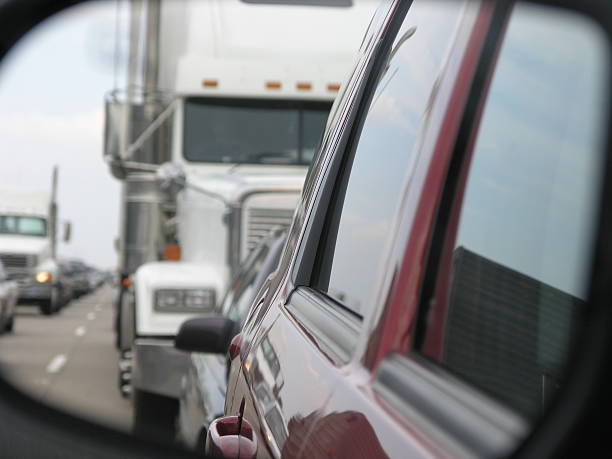
Understanding Liability in Truck Accidents
Accidents involving 18-wheelers are often catastrophic due to the sheer size and weight of these commercial vehicles. When an accident occurs, determining who is liable—the truck driver, the company, or sometimes both—can be complicated. Liability depends on various factors, including driver actions, company policies, maintenance practices, and federal trucking regulations.
The Role of the Truck Driver
Truck drivers are legally responsible for operating their vehicles safely. Their liability may arise from:
- Driver error or negligence – Speeding, distracted driving, or failing to obey traffic laws can make the driver fully or partially liable.
- Fatigue violations – Truck drivers must follow hours-of-service regulations to prevent fatigue-related accidents. Violating these rules can increase the driver’s responsibility.
- Failure to perform pre-trip inspections – Drivers are required to inspect brakes, tires, lights, and cargo before every trip. Negligence here can contribute to accidents.
While the driver may appear at fault, they are often employees of a trucking company, which may also bear responsibility.
The Trucking Company’s Liability
Trucking companies have a legal duty to ensure their vehicles and drivers operate safely. They may be liable if the accident resulted from:
- Poor vehicle maintenance – Failing to maintain brakes, tires, or other critical components.
- Overloading or improperly securing cargo – Negligent cargo practices can destabilize the truck.
- Pressure to meet tight deadlines – Pushing drivers to exceed safe driving hours increases the risk of accidents.
- Inadequate training – Failing to provide proper training on safety protocols, emergency procedures, or equipment use.
Companies are often held to higher safety standards because they have the resources and knowledge to prevent accidents.
Shared Liability in Truck Accidents
In many cases, both the driver and the trucking company share liability. Courts and insurance companies consider:
- The driver’s actions leading up to the accident
- Company policies, supervision, and safety enforcement
- Maintenance and inspection records
- Federal and state trucking regulations
Shared liability ensures that victims can recover compensation from all responsible parties.
The Importance of Expert Investigation
Truck accident cases often require detailed investigations to establish fault:
- Accident reconstruction – Experts analyze skid marks, vehicle positions, and impact patterns.
- Maintenance records review – Examining repair logs, inspection reports, and recall notices can reveal company negligence.
- Driver log analysis – Hours-of-service logs, GPS data, and communication records may show violations or pressure from the company.
A thorough investigation is crucial to ensure all liable parties are identified and held accountable.
Seeking Compensation After a Truck Accident
Victims of 18-wheeler accidents may face severe injuries, permanent disabilities, or even the loss of loved ones. Legal action can help recover compensation for:
- Medical expenses, past and future
- Lost income and reduced earning potential
- Pain and suffering
- Wrongful death damages in fatal accidents
- Vehicle and property damage
Why You Need Experienced Legal Representation
Truck accident cases are complex due to multiple liable parties, federal regulations, and large insurance policies. Experienced attorneys help:
- Navigate complex legal and insurance procedures
- Investigate and gather evidence to prove negligence
- Advocate for maximum compensation
- Represent victims in court if necessary
The Buckeye Law Group Difference
At Buckeye Law Group, we understand how devastating 18-wheeler accidents can be. Our team is dedicated to helping victims recover physically, emotionally, and financially by holding negligent drivers and trucking companies accountable.
If you or a loved one has been injured in a truck accident, don’t face it alone. Contact us today to discuss your legal options and take the first step toward justice: Contact Buckeye Law Group.
Suing for a Loved One’s Death After a Trucking Accident
Understanding Wrongful Death Claims Involving Commercial Trucks Losing a loved one in a trucking accident is one of the most devastating events a family can experience. Alongside overwhelming grief, families
Trucking Logs and Black Boxes: What Evidence Can Be Used?
Why Evidence Is Critical in Truck Accident Claims Truck accident cases are far more complex than standard car crashes, largely because of the amount of technical evidence involved. When a
Slip and Fall Accidents: When Property Owners Fail to Keep You Safe
Why Slip and Fall Accidents Are Serious Personal Injury Cases Slip and fall accidents are often dismissed as minor or unavoidable, but the reality is very different. These incidents can
Slips, Trips, and Falls in Stores and Businesses: Your Legal Rights
Why Retail Slip and Fall Accidents Happen Retail stores, restaurants, and commercial properties experience constant foot traffic. When businesses prioritize speed or profits over safety, dangerous conditions can quickly lead
Obstetrical Malpractice and the Risk to Mothers and Babies
Understanding the Hidden Dangers in Modern Maternal Care Why Obstetrical Errors Are Still Happening Today Most expecting parents trust their medical teams completely. They assume that prenatal appointments, labor monitoring,
Can You Sue for Injuries During Pregnancy or Labor?
What Expectant Mothers Should Know About Medical Negligence How Pregnancy and Labor Injuries Typically Occur Pregnancy and childbirth dramatically change a mother’s body, and complications can arise even in low-risk
When Numbness Turns Into a Lifetime Injury
Understanding Nerve Damage Caused by Medical Negligence How a Simple Procedure Can Lead to Permanent Damage A routine medical procedure should never leave a patient with debilitating complications. Unfortunately, many
Nerve Injury After Medical Procedures—What You Should Know
When Numbness Turns Into a Lifetime Injury Why Post-Procedure Nerve Damage Deserves Immediate Attention A nerve injury after a medical procedure is far more than an uncomfortable side effect—it can
Injured as a Passenger on a Motorcycle—What Are Your Rights?
Passengers Have Strong Legal Protections Under Ohio Law Many people believe motorcycle passengers have limited legal options after a crash—but that’s completely false. In Ohio, injured motorcycle passengers almost always
Understanding Liability in Multi-Vehicle Motorcycle Wrecks
Why Multi-Vehicle Motorcycle Crashes Are So Complex When a motorcycle is involved in a crash with multiple vehicles, determining who is responsible becomes significantly more complicated. Unlike two-car collisions—where fault

The Buckeye Law Group Inc. represents people injured in auto accidents, slip and falls, workplace accidents and more in Ohio. Contact us today to learn more.
© 2025 All Rights Reserved | The Buckeye Law Group Inc. Privacy Policy Sitemap
Office Locations
- Cleveland Office 127 Public Square Suite 1540 Cleveland, OH 44114 (216) 677-5490
- Columbus Office 20 E Broad Street, Suite 300 Columbus, OH 43215 (614) 482-3793
- Cincinnati Office 201 E. Fifth Street, Suite 1910 Cincinnati, OH 45202 (513) 547-2445
- Dayton Office 70 Birch Alley, Suite 240 Dayton, OH 45440 (937) 884-4474
- Toledo Office 3950 Sunforest Court, Suite 200 Toledo, OH 43623 (567) 483-3883
- Akron Office 388 South Main Street, Suite 400 Akron, OH 44311 (330) 426-0288
Contact Us
© 2025 All Rights Reserved | The Buckeye Law Group Inc. Privacy Policy Sitemap