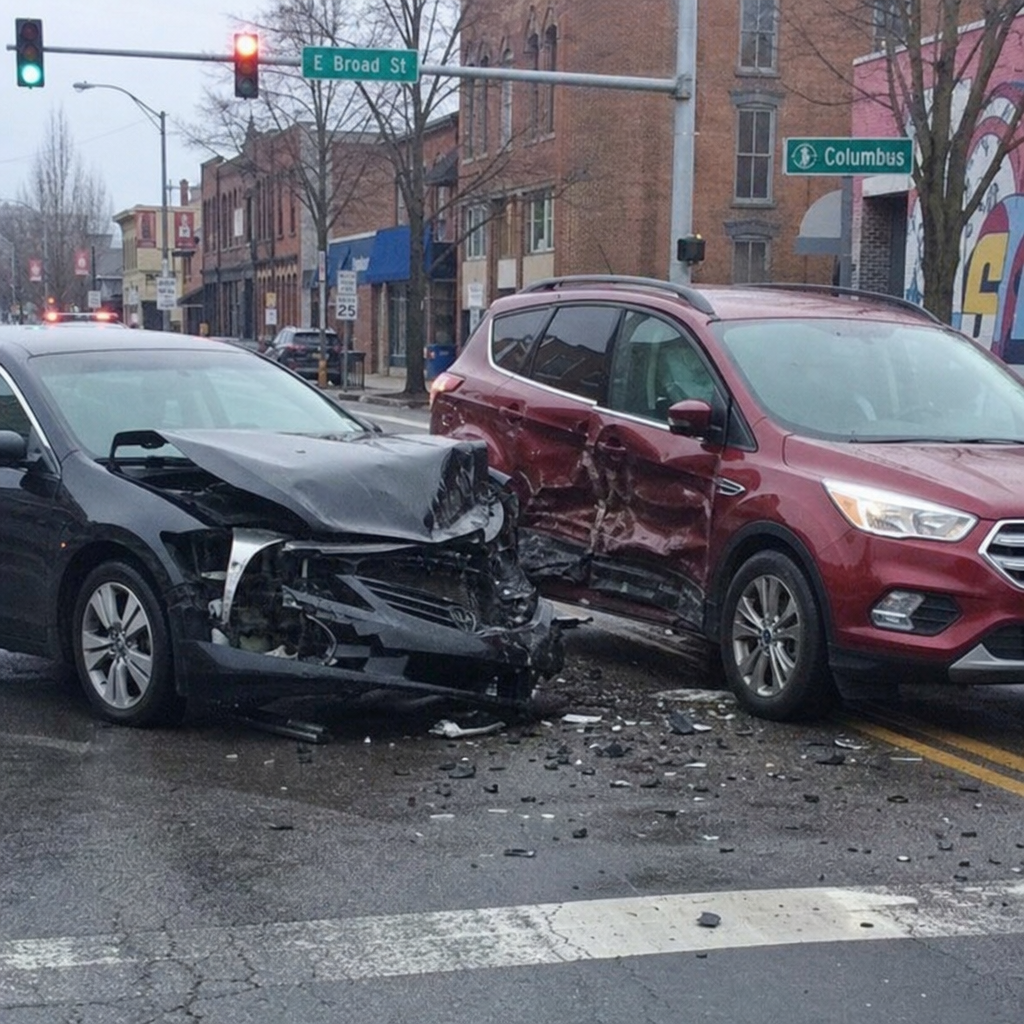
A car accident in Columbus can turn into a legal and financial problem long before you feel ready to deal with paperwork, phone calls, and medical bills. You may not need a lawyer for every fender bender, but you should strongly consider speaking with a car crash lawyer if you were hurt, fault is disputed, the insurance company is pressuring you, or the crash involved a commercial vehicle, uninsured driver, or long-term medical care. This guide explains when legal help matters, what a local Ohio accident attorney can do, and how to protect your car accident claims from the start.
Call (614) 482-3793 or request a complimentary consultation with a Columbus car accident attorney at Buckeye Law Group.
Do You Need a Lawyer After an Ohio Car Accident?
You probably need a lawyer after an Ohio car accident if the crash caused injuries, missed work, major vehicle damage, unclear fault, or any sign that the insurer is trying to reduce what it pays. A simple property-damage-only claim may be manageable on your own, but injury claims are different because today’s settlement has to account for treatment, future care, lost income, pain, and the possibility that your condition gets worse.
Ohio Revised Code § 2315.33 also makes fault especially important. Under Ohio’s comparative fault rule, an injured person’s recovery can be reduced by their share of fault, and recovery is barred if their fault is greater than the combined fault of the other parties. In practical terms, the way fault is documented can affect whether you recover anything and how much you recover. Ohio law also generally gives two years for actions involving bodily injury or injury to personal property, so delay can put your rights at risk. That is why many people contact a Columbus injury lawyer early, even if they are not sure they have a major case. A consultation can help you understand whether the claim is straightforward or whether you are facing hidden risks.

Clear Signs That Legal Help Is Worth It
Some crashes call for legal guidance right away. The more complicated the facts, the more likely it is that evidence will disappear, insurers will point fingers, and the value of the claim will be underestimated. Consider contacting a car accident lawyer in Columbus Ohio if any of these apply:
- You were injured: Broken bones, concussions, back injuries, neck injuries, spinal damage, and symptoms that interfere with work or daily life should not be treated as minor paperwork.
- Pain appeared later: Adrenaline can mask symptoms. If you feel worse hours or days after the crash, get medical care and avoid assuming the claim is “small.”
- Fault is disputed: If another driver, witness, police report, or insurance adjuster suggests you were partly responsible, legal guidance becomes more important.
- Several vehicles were involved: Multi-car crashes often create multiple insurance claims and conflicting stories.
- The other driver was uninsured or underinsured: You may need to look at your own policy benefits, including uninsured/underinsured motorist coverage.
- A commercial truck, rideshare vehicle, delivery driver, or company vehicle was involved: These cases can involve employers, contractors, corporate insurers, and specialized evidence.
- A loved one died: Wrongful death claims are emotionally and legally serious and should not be handled casually.
A Columbus Ohio car accident lawyer can also help when the insurer is asking for a recorded statement, offering a quick settlement, or suggesting that your treatment is unnecessary. Those moments may feel routine, but they can shape the entire claim.
What Can a Columbus Car Accident Lawyer Do That You May Not Want to Handle Alone?
A lawyer can investigate the crash, preserve evidence, calculate damages, handle insurance communication, negotiate for a fair settlement, and file a lawsuit if negotiations fail. The value is not only in “going to court”; it is in preventing mistakes before the insurance company has already framed the case against you.
A strong claim often depends on details that are easy to miss when you are recovering. An attorney may look for photos, traffic camera footage, witness statements, crash reports, medical records, vehicle damage patterns, cell phone evidence, and insurance coverage from every available source. In truck cases, electronic logging devices can matter because they track and manage records of driving and off-duty time; FMCSA describes ELDs as tools that make it easier to accurately track and share records of duty status.
An attorney can also help you avoid settling too soon. Once you sign a release, you usually cannot come back later because your physical therapy lasted longer than expected or you discovered a more serious diagnosis. Good legal advice forces the claim to consider the full picture, not just the first stack of bills.
Immediate Steps That Protect Your Claim
What you do in the first hours and days after a crash can affect both your health and your legal options. You do not need to build a case on the roadside, but you should preserve the facts while they are fresh. Use this practical checklist as a guide:
- Stop and stay at the scene: Ohio Revised Code § 4549.02 law requires a driver involved in a collision with persons or property on a public road to stop and provide identifying and vehicle information.
- Call 911 if anyone is hurt or traffic is unsafe: Even when the law may not require police in every collision, the Ohio State Bar Association notes that contacting police can help establish facts and safely route traffic.
- Exchange information: Get names, phone numbers, driver’s license details, plate numbers, insurance information, and vehicle descriptions.
- Take photos and video: Capture vehicle positions, damage, skid marks, traffic signals, weather, road conditions, debris, injuries, and nearby businesses that may have cameras.
- Get medical care promptly: Tell providers exactly how the crash happened and describe all symptoms, even if they seem minor.
- Notify your insurer: Report the crash, but keep the conversation factual. Do not guess about fault or the seriousness of your injuries.
- Save every record: Keep medical bills, repair estimates, rental car receipts, pay stubs, prescription costs, and correspondence from insurers.
- Request or track the crash report: Columbus Division of Police crash reports are submitted to the Ohio Department of Public Safety, and the city provides options for requesting reports locally.
If the other driver may have been uninsured, Ohio law allows a person involved in a motor vehicle accident to forward a written report to the registrar within six months alleging that a driver or owner was uninsured at the time of the accident.
Insurance Adjusters Are Not Neutral Advisors
Insurance adjusters may be polite, responsive, and professional, but their role is to evaluate the claim for the insurance company. That does not make every adjuster unfair; it simply means their financial incentives are not the same as yours. Be careful with statements like “I’m fine,” “I didn’t see them,” or “I may have been speeding.” In a normal conversation, those phrases may not mean much. In a claim file, they can become evidence used to minimize your injuries or increase your percentage of fault. Before giving a recorded statement to the other driver’s insurer, consider speaking with an Ohio accident attorney. You can still cooperate appropriately, but you should understand what is being asked, why it matters, and whether the insurer already has enough information to evaluate the claim.
When a “Minor” Crash is Not Really Minor
A minor crash can still justify legal advice when symptoms are delayed, repair costs are higher than expected, the other driver changes their story, or the insurer disputes treatment. Low-speed collisions can still cause soft-tissue injuries, aggravate preexisting conditions, and create weeks of inconvenience that are easy to undervalue. This is especially true if you visited urgent care, missed work, needed follow-up appointments, or started physical therapy. The question is not whether the vehicles looked destroyed. The question is whether the crash caused losses that should be documented and paid through the proper insurance coverage. A brief consultation with a car crash lawyer can help you decide whether to handle the claim yourself or bring in representation. Sometimes the answer is that you can manage the claim with careful documentation. Other times, the consultation reveals coverage issues, fault problems, or medical complications that deserve a more strategic approach.
The Cost Question is Part of the Decision
Many injured people hesitate to call a lawyer because they assume legal help will be expensive upfront. Personal injury lawyers commonly offer free consultations and may work on a contingency fee, meaning the fee is based on money recovered rather than hourly billing. Because fee arrangements can vary, you should ask clear questions before signing anything. Useful questions include:
- What fee percentage applies if the case settles before a lawsuit?
- Does the fee change if litigation becomes necessary?
- Who pays case expenses, and when?
- What happens if there is no recovery?
- How often will I receive updates?
- Who will handle my case day to day?
The right car accident lawyer in Columbus, OH, should be able to explain the process in plain language. You should leave the conversation understanding your options, not feeling pressured.
A Practical Way to Decide
If you are still unsure, think about the claim in terms of risk. The more risk you see, the more valuable legal guidance becomes. You may be comfortable handling the claim yourself if there were no injuries, fault is obvious, all drivers were insured, the property damage is modest, and the insurer is acting reasonably. You should lean toward calling a Columbus injury lawyer if medical treatment is ongoing, you missed work, fault is contested, the insurer is delaying, or the settlement offer does not reflect the full impact of the crash. The most important thing is not to wait until the claim has already gone wrong. Early advice can help preserve evidence, protect deadlines, and keep you from accepting less than the claim is worth.
Protecting Your Rights After a Columbus Car Accident
You do not need a lawyer for every Columbus crash, but you should not handle a serious injury claim alone just because the insurance company seems cooperative at first. Ohio fault rules, legal deadlines, medical documentation, and insurance tactics can all affect the outcome of car accident claims. If you were hurt, blamed for the crash, contacted by another insurer, or unsure what your claim is worth, speaking with a Columbus Ohio car accident lawyer is a practical next step. A short consultation can give you clarity before you make decisions that may be difficult to undo.
Call (614) 482-3793 or request a complimentary consultation with a Columbus car accident attorney at Buckeye Law Group.
*This article provides general information for educational purposes and does not constitute legal advice tailored to your circumstances. Reading this article or contacting Buckeye Law Group does not, by itself, create an attorney-client relationship. Evaluating a truck accident claim requires a careful review of the facts, available evidence, applicable law, and filing deadlines. Consult a qualified Ohio attorney for guidance concerning your rights, potential claims, and the deadlines that may apply. Every case is different, and prior results do not guarantee a similar outcome.*
Do I Need a Lawyer After a Car Accident in Columbus Ohio?
A car accident in Columbus can turn into a legal and financial problem long before you feel ready to deal with paperwork, phone calls, and medical bills. You may not
What to Do if the Police Report Is Wrong After a Columbus Car Accident
Finding an error in your police report can add uncertainty to an already difficult situation. You may worry that an incorrect diagram, missing witness, or inaccurate statement will affect your
The Insurer Blames You for a Columbus Motorcycle Crash What Evidence Matters
When an insurer says the rider caused a Columbus motorcycle crash, that is not the end of the claim. Fault can be challenged with the right records, careful crash scene
Akron Truck Accident Attorney: Protecting Your Rights After a Serious Collision
A serious truck crash can leave you managing medical treatment, missed work, vehicle damage, and calls from insurance companies. An Akron truck accident attorney can investigate the collision, identify potentially
Where Serious Crashes Occur in Columbus: A Data-Driven Guide to Local Roadway Risks
Understanding where serious crashes occur in Columbus can help you recognize roadway risks before your next trip. This guide draws on publicly available local crash data and safety reports to
Pedestrian Accident Near The University of Akron: What to Do and How to Protect Your Rights
A pedestrian accident near The University of Akron can interrupt your education, work, and daily life without warning. You may face medical bills, missed classes, and questions about who will
Is Ohio a No-Fault State for Car Accidents?
Ohio is not a no-fault state for car accidents. Ohio uses an at-fault, or tort, system, which means the person who caused the crash is generally responsible for the resulting
Who Pays Medical Bills After a Truck Accident in Columbus Ohio?
After a serious truck crash in Columbus, the hospital does not wait for the insurance companies to finish arguing about fault. Medical bills usually start with the coverage available right
What Is My Car Accident Case Worth in Columbus Ohio Factors That Affect Compensation
The value of an Ohio car accident case in Columbus depends on the losses you can prove, the seriousness of your injuries, available insurance, and how fault is divided. There
Injured at a Columbus Apartment Complex? What Tenants and Visitors Should Document
A fall at a Columbus apartment complex can raise more than immediate medical concerns when a dangerous property condition may have contributed to the injury. For tenants and lawful visitors,
Buckeye Law Group represents people injured in auto accidents, slip and falls, workplace accidents and more in Ohio. Contact us today to learn more.
© 2026 All Rights Reserved | The Buckeye Law Group Inc. Privacy Policy Sitemap
Office Locations
- Akron Office 388 S Main St #400 Akron, OH 44311 (330) 426-0288
- Cincinnati Office 201 E 5th St Ste 1910 Cincinnati, OH 45202 (513) 547-2445
- Cleveland Office 127 Public Square Ste 1540 Cleveland, OH 44114 (216) 677-5490
- Columbus Office 20 E Broad St Suite 300 Columbus, OH 43215 (614) 482-3793
- Dayton Office 70 Birch Alley Ste 240 Dayton, OH 45440 (937) 884-4474
- Euclid Office 25701 N Lakeland Blvd Suite 113-C, Cleveland, OH 44132 (216) 405-2626
- Mansfield Office 305 E Main St Ste 6A, Mansfield, OH 44904 (567) 210-2606
- Findlay Office 7430 Timberstone Dr unit 101a, Findlay, OH 45840 419-873-5119
- Mentor Office 7537 Mentor Ave Ste 101, Mentor, OH 44060 (440) 306-3536
- Middletown Office 300 N Main St #400, Middletown, OH 45042 (326) 800-9150
- Parma Office 1257 Rockside Rd #A, Parma, OH 44131 (216) 279-1664
- Springfield Office 2100 E High St Ste TL3, Springfield, OH 45505 (937) 806-5791
- Toledo Office 3950 Sunforest Ct Ste 200, Toledo, OH 43623 (567) 483-3883
- Westlake Office 26404 Center Ridge Rd Ste B2, Westlake, OH 44145 216-247-0565
- Whitehall Office 5340 E Main St Ste 203, Whitehall, OH 43213 (380) 257-5206
- Youngstown Office 306 Churchill Hubbard Rd, Youngstown, OH 44505 (234) 225-0683
Contact Us
© 2026 All Rights Reserved | The Buckeye Law Group Inc. Privacy Policy Sitemap